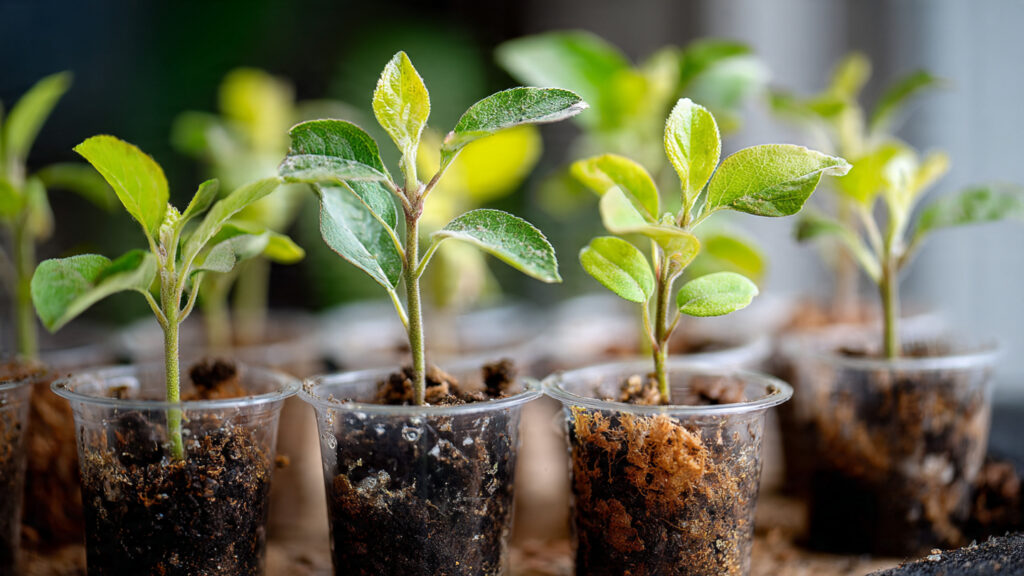
Apples are one of the most beloved fruits worldwide, prized for their flavor, nutrition, and versatility. Many home gardeners dream of growing their own apple trees from seed, but the process can seem mysterious and daunting. Unlike buying young seedlings, sprouting apple seeds requires patience, care, and an understanding of the natural conditions that promote germination.
The good news? You can successfully sprout apple seeds at home, naturally, without any chemicals. This guide will walk you through the steps, from seed selection and preparation to planting and nurturing seedlings, ensuring a healthy start for your future apple trees.
1. Understanding Apple Seed Germination
Apple seeds differ from many other seeds because they require a period of cold dormancy to germinate, a natural process called stratification. This is nature’s way of ensuring seeds sprout in spring rather than during unpredictable warm spells in winter.
Key points about apple seed germination:
- Slow process: Germination can take anywhere from 2 to 8 weeks after stratification.
- Dormancy breaking: Cold exposure mimics winter conditions and triggers the seed to awaken.
- No chemicals needed: Stratification relies on natural moisture, temperature, and time.
Understanding this process is crucial to successfully growing apple seedlings at home.
2. Selecting the Right Apple Seeds
Not all apple seeds are equal. Selecting quality seeds increases your chances of successful germination:
- Choose mature apples: Use seeds from fully ripe apples with firm, healthy flesh.
- Avoid damaged or diseased fruits: Seeds from bruised or rotten apples may be weak or non-viable.
- Know the variety: Keep in mind that apple trees grown from seed do not always produce fruit identical to the parent tree due to genetic variation.
Tip: If your goal is consistent fruit quality, you may eventually want to graft seedlings onto rootstock. But sprouting from seed is perfect for learning, experimentation, and enjoying the growing process.
3. Extracting and Preparing Seeds
Once you’ve selected your apples, it’s time to extract and prepare the seeds:
- Cut the apple: Slice the fruit open and remove the seeds carefully.
- Rinse the seeds: Clean off any pulp to prevent mold growth during stratification.
- Dry lightly: Pat seeds dry for a few hours in a shaded, ventilated area. Avoid direct sunlight.
Tip: Don’t skip rinsing, as residual fruit can encourage fungal growth and reduce germination rates.
4. Natural Stratification Process
Stratification is the key to breaking apple seed dormancy naturally, without chemicals. Here’s how to do it at home:
- Prepare a medium: Use moist sand, peat moss, or a paper towel. Seeds should be damp but not soaking wet.
- Place seeds in a container: A small plastic bag or glass jar works well. Ensure air circulation while keeping moisture consistent.
- Refrigerate: Store the container in a fridge at 34–41°F (1–5°C) for 6–8 weeks. This simulates winter conditions.
- Check periodically: Make sure the medium remains damp. Avoid mold by allowing some air flow.
Tip: Label your seeds with the date and apple variety for easy tracking.
5. Preparing for Planting
After stratification, your apple seeds are ready to sprout. Preparing the planting environment carefully improves success rates:
- Use organic, well-draining soil: A mix of garden soil and compost works perfectly.
- Select containers: Small pots or seed trays allow easy monitoring of seedlings.
- Ensure proper light: Place containers in a bright, indirect sunlight location. Avoid harsh afternoon sun that may dry young seedlings.
- Moisture control: Keep soil consistently damp but not waterlogged. Overwatering can rot tender seeds.
Tip: Pre-moistening the soil before planting helps young roots establish quickly.
6. Planting the Seeds
Planting apple seeds is simple but requires careful attention:
- Depth: Plant seeds ½ inch (1–1.5 cm) deep.
- Spacing: If planting multiple seeds in a tray, leave 1–2 inches between seeds.
- Cover lightly: Use a thin layer of soil or vermiculite to protect seeds while allowing air exchange.
- Label the trays: Keep track of variety and planting dates.
Tip: You can also sprout seeds first on a moist paper towel for faster germination before transferring to soil.
➡️ How to Grow Malabar Spinach from Cuttings for Fast, Easy Greens
➡️ How to Grow Super Delicious Cabbage at Home Without a Garden
➡️ How to Grow Bean Sprouts at Home in Plastic Bottles Easily (Step‑by‑Step Guide)
➡️ Why is Your Lemon Tree Blooming in the Heart of Winter?
➡️ Why Should Your Garden Have a Dedicated Pollinator Highway?
➡️ Why Do Your Fruit Trees Need a Winter Wash to Thrive in Spring?
➡️ How Can Rice Water Transform Your Fruits into Sweeter Delights?
➡️ Jumpstart Your Winter Garden: Seed Starting Under Lights
7. Caring for Sprouts
Once apple seeds begin sprouting, your care routine becomes critical for healthy seedlings:
- Watering: Mist lightly to keep soil moist without flooding.
- Sunlight: Provide 4–6 hours of indirect sunlight daily. Gradually introduce to more light as seedlings strengthen.
- Temperature: Maintain moderate indoor temperatures around 65–75°F (18–24°C).
- Thinning: Remove weaker seedlings to give stronger sprouts room to grow.
Tip: Rotate containers occasionally to ensure even light exposure and prevent seedlings from leaning.
8. Transplanting Seedlings
After several weeks, seedlings develop true leaves and are ready for transplanting:
- Choose larger pots: 6–8 inch (15–20 cm) pots with drainage holes allow root growth.
- Handle gently: Avoid disturbing the root system while transferring.
- Acclimate slowly: Gradually expose seedlings to outdoor conditions if moving them outside.
Tip: Keep seedlings shaded for the first few days outdoors to prevent sunburn.
9. Avoiding Chemicals
One of the key benefits of sprouting apple seeds naturally is avoiding chemicals entirely. Instead:
- Use organic soil and compost: Provides nutrients without synthetic additives.
- Natural pest control: Introduce ladybugs or neem sprays if needed.
- Homemade fertilizers: Diluted compost tea or well-rotted manure can support growth safely.
Tip: Healthy soil and strong seedlings reduce the need for pesticides or synthetic fertilizers.
10. Patience and Expectations
Apple seeds require patience:
- Slow early growth: Seedlings are delicate, and growth may appear slow at first.
- Long-term fruiting: Trees grown from seed may take 5–10 years to produce fruit, depending on variety and care.
- Genetic variation: Seed-grown apples may differ from the parent fruit in taste, size, and texture.
Despite these challenges, growing apple trees from seeds provides immense satisfaction and a deeper connection to the life cycle of plants.
11. Tips for Success
To maximize your chances of sprouting apple seeds naturally:
- Keep seeds moist but never waterlogged.
- Use a clean, sterile container for stratification.
- Avoid touching seeds excessively to prevent bruising.
- Monitor regularly for mold and remove affected seeds immediately.
- Maintain consistent indoor conditions for young sprouts.
Tip: Record your observations—dates of germination, growth rates, and leaf development—to refine your technique for future batches.
12. From Seedling to Tree
Once seedlings are healthy and robust, your care continues:
- Potting up: Move seedlings to larger pots as they grow.
- Soil enrichment: Regularly mix in compost to support nutrients.
- Pruning: Begin light pruning to encourage strong structure.
- Grafting (optional): If you want fruit identical to a parent tree, consider grafting once seedlings are strong.
Tip: Even without grafting, natural seed-grown trees develop resilience and adaptability, often producing unique and flavorful apples.
Conclusion
Sprouting apple seeds at home without chemicals is not only possible but also deeply rewarding. By understanding the natural dormancy of apple seeds, practicing careful stratification, planting thoughtfully, and providing consistent care, you can grow healthy apple seedlings that may one day become flourishing fruit-bearing trees.
The process teaches patience, attention to detail, and respect for nature’s rhythms. In doing so, it connects you to the incredible journey from seed to fruit, all within the comfort of your home garden.
Whether you’re an aspiring gardener, a parent teaching children about plant life, or simply someone who loves apples, sprouting seeds naturally is an enriching experience that offers healthy plants, chemical-free growth, and the joy of nurturing life from its very beginning.
Start today, follow the steps, and watch the tiny seeds of your apple tree dreams transform into leafy, vigorous seedlings that could one day bear your own delicious, home-grown apples.