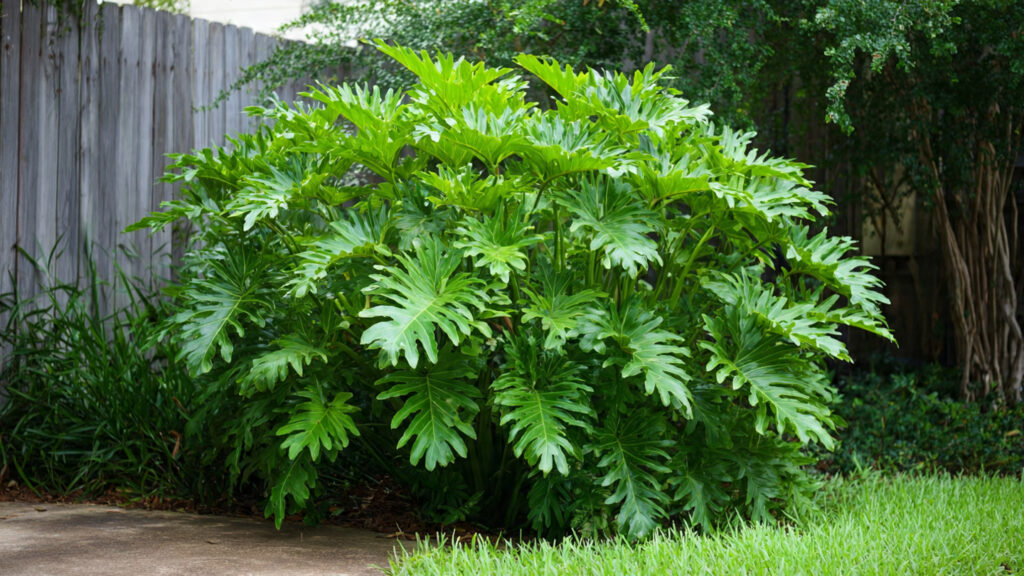
Transforming a garden bed into a lush, tropical paradise doesn’t require a lot of complicated techniques or rare plants. One of the easiest ways to achieve a rich, exotic look is by planting Philodendron Xanadu. With its strikingly deep green, lobed leaves and compact, clumping growth habit, Philodendron Xanadu adds texture, color, and a sense of tropical vibrancy to garden beds. Whether you’re a beginner gardener or an experienced horticulturist, these simple steps will help you grow this tropical beauty successfully.
Why Choose Philodendron Xanadu?
Philodendron Xanadu is a popular choice for garden beds because of its:
- Dense, clumping growth: Creates a lush, full appearance without needing constant pruning.
- Tropical appeal: Its glossy, deeply lobed leaves evoke the feel of exotic rainforests.
- Low maintenance: It adapts well to various soil types and requires minimal attention once established.
- Versatility: Works as a standalone focal point, in mass plantings, or as part of mixed tropical gardens.
Unlike larger philodendron varieties, Xanadu stays relatively compact, reaching about 3–4 feet in height and width, making it perfect for borders, beds, or container planting.
Step 1: Select the Right Location
Philodendron Xanadu thrives in partial shade to filtered sunlight. Too much direct sunlight can scorch its leaves, while very deep shade may slow growth and reduce the vibrant green color. Ideal spots include:
- East- or north-facing garden beds
- Areas under taller trees that filter sunlight
- Along pathways or patios where indirect sunlight is abundant
Good air circulation is also important, but avoid windy areas that can damage the leaves. Proper placement ensures strong, healthy growth and a tropical, vibrant appearance.
Step 2: Prepare the Soil
Although Philodendron Xanadu is forgiving, it prefers well-draining, rich, and slightly acidic soil. Follow these soil preparation tips for optimal growth:
- Loosen the soil: Dig about 12–15 inches deep to improve aeration and root penetration.
- Add organic matter: Mix in compost, well-rotted manure, or leaf mold to boost nutrients.
- Check drainage: Avoid waterlogged areas, as standing water can lead to root rot. You can mix sand or perlite to improve drainage if necessary.
- pH level: Aim for a slightly acidic soil pH between 5.5 and 6.5, which enhances nutrient uptake.
A well-prepared bed provides a strong foundation for healthy foliage and vigorous growth.
Step 3: Planting Philodendron Xanadu
When planting, spacing is key to allow full growth and prevent overcrowding. Here’s a simple approach:
- Dig a hole slightly larger than the root ball of the plant.
- Remove the plant from its container carefully to avoid damaging the roots.
- Place the plant in the hole at the same depth as it was in the container.
- Backfill the soil around the roots and gently press to eliminate air pockets.
- Water thoroughly to help settle the soil and encourage root establishment.
For a dense, tropical look, space plants about 2–3 feet apart. This allows each plant room to expand while creating a lush, unified display as they mature.
Step 4: Watering
Philodendron Xanadu prefers consistently moist soil, but it does not tolerate standing water. Follow these watering guidelines:
- Water deeply once or twice a week, depending on weather and soil type.
- Allow the top inch of soil to dry between waterings to prevent root rot.
- Mulch around the base of the plant to retain moisture and regulate soil temperature.
During hot summer months, more frequent watering may be necessary, while in cooler seasons, reduce watering to avoid soggy soil.
Step 5: Fertilizing for Lush Growth
A regular feeding schedule encourages healthy leaves and a vibrant tropical appearance. Use a balanced, slow-release fertilizer or a liquid fertilizer with a ratio such as 10:10:10 (NPK) every 6–8 weeks during the growing season. Tips for fertilization include:
- Apply fertilizer after watering to prevent root burn.
- For container beds, consider liquid fertilizers every 4–6 weeks for quick nutrient absorption.
- Avoid over-fertilizing, which can cause leaf burn and excessive, weak growth.
Organic options like compost tea or seaweed extract also work well and improve soil health over time.
Step 6: Mulching and Weed Control
Mulching serves multiple purposes: retaining soil moisture, regulating temperature, and suppressing weeds. Apply 2–3 inches of organic mulch around the base of the plant, keeping it a few inches away from the stem to prevent rot. Additionally, regularly remove weeds from the bed, as they compete for nutrients and water, slowing down Philodendron Xanadu’s growth.
Step 7: Pruning and Maintenance
Although Philodendron Xanadu is low maintenance, occasional pruning keeps it looking tidy and encourages new growth:
➡️ How to Grow Malabar Spinach from Cuttings for Fast, Easy Greens
➡️ How to Grow Super Delicious Cabbage at Home Without a Garden
➡️ How to Grow Bean Sprouts at Home in Plastic Bottles Easily (Step‑by‑Step Guide)
➡️ Why is Your Lemon Tree Blooming in the Heart of Winter?
➡️ Why Should Your Garden Have a Dedicated Pollinator Highway?
➡️ Why Do Your Fruit Trees Need a Winter Wash to Thrive in Spring?
➡️ How Can Rice Water Transform Your Fruits into Sweeter Delights?
➡️ Jumpstart Your Winter Garden: Seed Starting Under Lights
- Remove yellowing or damaged leaves regularly.
- Cut back any crowded or overlapping growth to maintain airflow.
- For dense beds, thinning older leaves helps younger leaves receive sunlight and enhances the overall tropical appearance.
Pruning not only maintains aesthetics but also supports plant health and vigor.
Step 8: Managing Pests and Diseases
Philodendron Xanadu is generally resistant to most pests and diseases, but occasional issues may arise:
- Common pests: Aphids, mealybugs, and spider mites can infest leaves. Treat with insecticidal soap or neem oil.
- Diseases: Overwatering or poor drainage can cause root rot or fungal infections. Ensure proper watering and soil drainage.
Regular monitoring and quick intervention prevent small problems from becoming major setbacks.
Step 9: Seasonal Care
Philodendron Xanadu grows year-round in tropical climates, but in cooler regions, special care is needed:
- Winter protection: In areas with frost, cover plants with a frost cloth or bring container-grown plants indoors.
- Adjust watering: Reduce watering during dormant periods when growth slows.
- Check light: Ensure indoor or winter-grown plants receive adequate filtered light.
Adapting care to seasonal changes keeps the plant healthy and vibrant throughout the year.
Step 10: Creating a Lush Tropical Display
Philodendron Xanadu is versatile in garden design. To maximize its tropical impact:
- Mass planting: Use multiple plants for a dense, jungle-like appearance.
- Accent plant: Place near fountains, pathways, or patios for a striking focal point.
- Mixed beds: Combine with other tropical plants like Caladiums, Heliconias, or ferns for layered textures and colors.
By carefully arranging plants and considering height, leaf shape, and color, your garden bed can resemble an exotic tropical oasis.
Conclusion
Philodendron Xanadu is a spectacular choice for gardeners seeking a lush, tropical look with minimal effort. By following these simple steps—selecting the right location, preparing nutrient-rich soil, proper planting, watering, fertilization, mulching, and seasonal care—you can enjoy a vibrant, healthy, and low-maintenance tropical garden bed.
With its bold foliage and dense growth, Philodendron Xanadu not only elevates the aesthetic of your garden but also creates a relaxing, verdant environment reminiscent of tropical rainforests. Whether used as a focal point or in mass plantings, this tropical gem is a must-have for anyone aiming to transform their garden into a serene, green paradise.