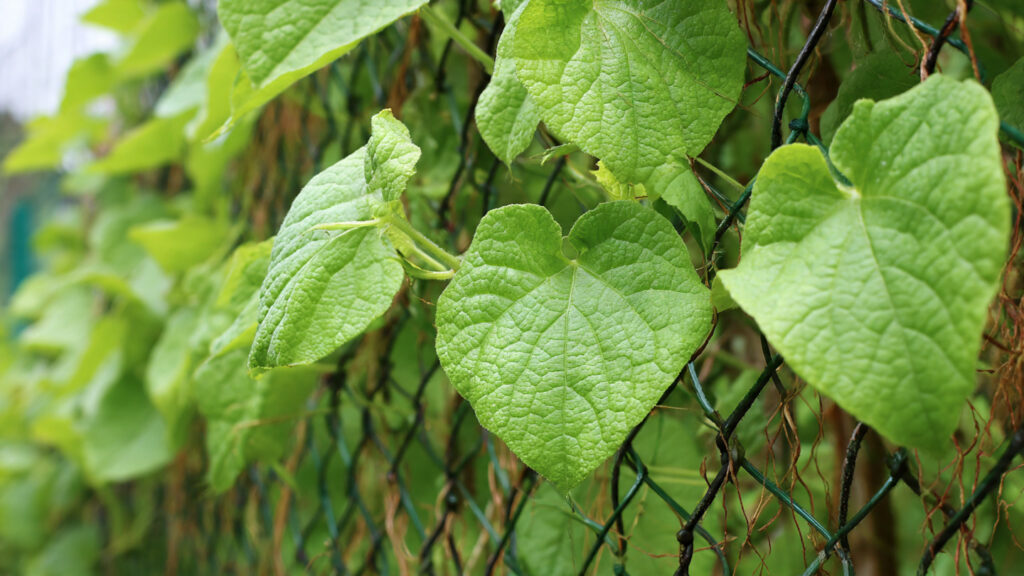
Cucumbers are one of the most popular garden vegetables worldwide, prized for their crisp texture, refreshing taste, and versatility in salads, pickles, and culinary dishes. While cucumbers can sprawl across the ground, growing them vertically on a trellis or netting system offers numerous advantages. Training cucumber vines on a net not only saves space but also improves air circulation, reduces disease risk, and can dramatically increase yield.
In this comprehensive guide, we will explore effective techniques for training cucumber vines on a net, from selecting the right varieties to setting up trellises, tying vines properly, and maintaining the system throughout the growing season.
Why Grow Cucumbers Vertically?
Before diving into techniques, it’s important to understand the benefits of vertical cucumber cultivation.
- Space Efficiency: Vertical growth allows cucumbers to thrive in limited garden space, making it ideal for small yards, raised beds, or balcony gardens.
- Improved Airflow: Lifting vines off the ground reduces humidity around leaves, which decreases the risk of fungal diseases such as powdery mildew or downy mildew.
- Healthier Fruits: Fruits hanging vertically are less likely to rot or be damaged by soil-borne pests.
- Ease of Harvesting: Cucumbers grown on nets are easier to see and pick, reducing the risk of missing ripe fruits.
- Better Sun Exposure: Upright leaves capture sunlight more effectively, promoting robust photosynthesis and stronger growth.
Choosing the Right Cucumber Varieties
Not all cucumbers are equally suited for vertical growth. When selecting seeds or seedlings, look for:
- Vining Varieties: Some cucumbers are naturally bushy and short-stemmed, which is less ideal for net training. Choose climbing or long-vine varieties.
- Parthenocarpic Varieties: These varieties produce fruit without pollination, ideal for greenhouses or areas with limited pollinator activity. Examples include ‘Spacemaster,’ ‘Marketmore 76,’ and ‘Bush Champion.’
- Disease-Resistant Varieties: Opt for varieties resistant to common cucumber diseases, as vertical growth exposes foliage to more airflow but doesn’t eliminate disease entirely.
Choosing the right variety sets the stage for success, making subsequent training easier and more productive.
Preparing Your Trellis or Net System
A sturdy and well-anchored support system is critical. Cucumbers can be surprisingly heavy once they start fruiting, so flimsy structures will fail.
Materials Needed
- Nylon, polypropylene, or garden netting
- Stakes or posts (wooden or metal)
- Zip ties or soft garden ties
- Optional horizontal crossbars for added stability
Netting Options
Gardeners have several options for vertical supports:
- Vertical String or Twine Trellis: Simple, inexpensive, and effective. Strings are tied between a sturdy horizontal frame at the top and the ground.
- Plastic or Nylon Netting: Durable and easy to install. The net is stretched between posts and allows multiple vines to climb.
- Wire or Mesh Fencing: Stronger and reusable, but heavier and more expensive.
Installation Tips
- Ensure the netting or trellis is firmly anchored in the ground.
- The support should be tall enough to accommodate the mature vine (6–8 feet is ideal for most cucumber varieties).
- Place the net in a sunny location to ensure maximum light exposure.
- Secure netting tightly but avoid over-stretching to prevent sagging under the weight of the plants.
Planting and Early Training
Proper planting and initial vine management are essential for vertical growth.
Planting
- Space seedlings or seeds according to the variety’s recommendations (usually 12–18 inches apart for vining types).
- Plant near the base of the net to minimize vine twisting or misalignment.
Encouraging Upward Growth
- Once seedlings develop their first true leaves, gently guide the main stem toward the net.
- Tie the vine loosely to the net with soft garden ties or clips. Avoid tight ties that can restrict growth.
- Encourage a single main stem initially; side shoots can be trained later once the vine is climbing efficiently.
Effective Vine Training Techniques
Proper training ensures maximum light exposure, healthy growth, and high yields.
1. Vertical Wrapping
Cucumbers naturally wrap their tendrils around supports. To encourage upward growth:
- Place the vine against the net and gently twirl it clockwise (or in the direction the vine tends to grow).
- Encourage tendrils to latch onto the net as the vine grows.
2. Securing with Garden Ties
- Use soft ties or strips of cloth to loosely secure the main stem to the net.
- Check ties regularly, especially as the vine thickens, to prevent constriction.
3. Side Shoot Management
- Remove excessive lateral shoots in early growth to focus energy on vertical growth.
- Allow 2–3 strong lateral shoots per main stem once the vine reaches the top.
- These lateral shoots will eventually bear flowers and fruit.
4. Twining and Spiral Training
- Encourage vines to spiral around the support. This method distributes weight evenly and prevents the vine from collapsing.
- Use gentle guidance for younger vines that have not yet grasped the netting.
Pollination and Flower Management
Even on a trellis, cucumbers require proper flower development for fruit production.
- Male and Female Flowers: Most cucumber varieties produce both. The female flower has a tiny fruit at its base, while the male is leafless at the base.
- Hand Pollination: For indoor or greenhouse setups, hand pollination using a small brush ensures fruit set.
- Flower Pruning: Remove weak or damaged flowers to allow the plant to focus on producing strong, high-quality fruits.
Pruning for Maximum Yield
Pruning cucumber vines may seem counterintuitive, but it improves airflow, reduces disease, and enhances fruit quality.
- Remove dead or yellowing leaves promptly.
- Trim excessively long lateral shoots to prevent overcrowding.
- Focus the plant’s energy on producing fruit-bearing stems.
- In high-density gardens, thin out overcrowded vines to reduce competition for sunlight and nutrients.
Fertilization and Nutrition
Cucumbers are heavy feeders, especially when growing vertically, as they produce numerous fruits.
- Use a balanced fertilizer with higher potassium levels to promote fruit development.
- Apply fertilizer every 2–3 weeks during the growing season.
- Organic options like compost tea or well-composted manure work well for sustainable gardens.
- Avoid excessive nitrogen, which can encourage lush leaf growth but reduce fruit production.
Watering Strategies
Vertical growth does not change the plant’s need for consistent moisture.
- Use deep, even watering to keep soil consistently moist.
- Mulch around the base to retain soil moisture and prevent weeds.
- Avoid wetting foliage excessively, as vertical growth already improves airflow and reduces disease risk.
Pest and Disease Management
Growing cucumbers on a net reduces ground contact, but vigilance is still required.
➡️ How to Grow Malabar Spinach from Cuttings for Fast, Easy Greens
➡️ How to Grow Super Delicious Cabbage at Home Without a Garden
➡️ How to Grow Bean Sprouts at Home in Plastic Bottles Easily (Step‑by‑Step Guide)
➡️ Why is Your Lemon Tree Blooming in the Heart of Winter?
➡️ Why Should Your Garden Have a Dedicated Pollinator Highway?
➡️ Why Do Your Fruit Trees Need a Winter Wash to Thrive in Spring?
➡️ How Can Rice Water Transform Your Fruits into Sweeter Delights?
➡️ Jumpstart Your Winter Garden: Seed Starting Under Lights
Common Issues:
- Aphids, whiteflies, and spider mites may infest leaves.
- Powdery mildew and downy mildew can affect foliage in humid environments.
Preventive Measures:
- Inspect plants regularly and remove affected leaves.
- Maintain good spacing between vines for airflow.
- Use organic sprays like neem oil if necessary.
Harvesting Tips for Trellised Cucumbers
Vertical growth makes harvesting simpler and more effective.
- Pick fruits when they reach the recommended size for the variety.
- Frequent harvesting encourages continued production.
- Gently twist or cut fruits to avoid damaging the vine or nearby cucumbers.
- Harvesting in the morning ensures firm, crisp cucumbers.
Benefits Recap: Maximum Yield and Healthy Plants
Training cucumber vines on a net offers several advantages:
- Increased Yield: Upright growth allows more fruit per square foot.
- Reduced Disease: Better airflow reduces fungal infections.
- Ease of Care: Leaves and fruits are easier to inspect, prune, and harvest.
- Efficient Space Usage: Vertical growth frees ground space for other crops.
- Stronger Plants: Light distribution promotes robust, healthy vines.
Conclusion
Training cucumber vines on a net is an effective, space-saving technique that maximizes yield and promotes healthier plants. By choosing the right varieties, providing sturdy support, guiding vines, pruning strategically, and maintaining proper nutrition and watering, gardeners can achieve a lush, productive cucumber harvest.
Vertical trellising not only improves fruit quality but also enhances garden organization, making maintenance and harvesting simpler. With patience and attentive care, your trellised cucumber vines will provide a bountiful supply of crisp, fresh cucumbers, season after season.
For gardeners seeking both efficiency and productivity, mastering vine training techniques is a game-changer that elevates cucumber cultivation to its full potential.