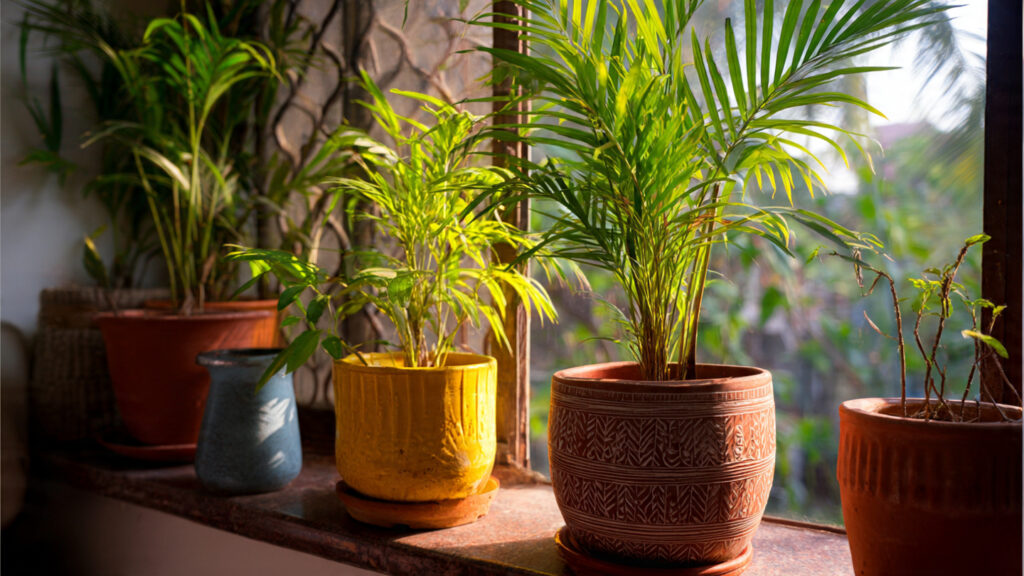
Palm plants are synonymous with tropical elegance. Their lush fronds and graceful structure instantly create a sense of calm and sophistication in any indoor space. However, one of the challenges many indoor gardeners face is providing adequate light for these plants, especially in apartments, offices, or rooms with limited sunlight. While palms are typically associated with bright, filtered tropical sunlight, several species adapt remarkably well to lower light conditions if cared for properly.
In this guide, we’ll explore the best methods to grow palm plants in low light environments, from selecting the right species to optimizing indoor conditions and maintaining long-term health.
Understanding Low Light Conditions
Before diving into specific care tips, it’s essential to define “low light” in terms of plant needs. Low light doesn’t mean complete darkness—it refers to areas with:
- Indirect sunlight filtered through curtains
- North-facing windows with minimal direct sun
- Interior rooms illuminated primarily by artificial lighting
In such environments, palm plants need specialized care to thrive. Without proper adjustments, low light can lead to slow growth, yellowing leaves, and stunted development.
Choosing Palm Species for Low Light
Not all palm plants tolerate low light equally. Selecting the right species is the first and most crucial step. Here are some excellent low-light-friendly options:
1. Parlor Palm (Chamaedorea elegans)
- Thrives in shaded environments and indirect light
- Slow-growing but maintains a lush, compact form
- Ideal for offices and living rooms
2. Kentia Palm (Howea forsteriana)
- Tolerates a range of indoor conditions
- Elegant, arching fronds
- Requires minimal light and care
3. Bamboo Palm (Chamaedorea seifrizii)
- Tolerates low to moderate light
- Adds vertical structure with multiple stalks
- Excellent for filtering indoor air
4. Lady Palm (Rhapis excelsa)
- Adaptable to low light and varying humidity
- Compact growth makes it suitable for smaller spaces
- Long-lived and resilient
Choosing species suited for your environment increases the likelihood of success and reduces frustration.
Optimizing Light for Low-Light Palms
Even low-light palms need some form of illumination to photosynthesize. Here’s how to provide sufficient light without natural sun:
1. Place Near Indirect Windows
- Position palms near north- or east-facing windows
- Avoid harsh direct sunlight, which can scorch leaves
- Rotate plants periodically for even growth
2. Supplement with Artificial Lighting
- Use fluorescent or LED grow lights designed for indoor plants
- Provide 12–14 hours of light daily for optimal growth
- Place the light 12–24 inches above the foliage
Artificial light ensures palms maintain energy for leaf development and overall vigor, even in dark corners.
Soil and Potting Considerations
Low-light conditions often slow down water evaporation, increasing the risk of overwatering. Proper soil and pot selection are crucial.
1. Well-Draining Soil
- Use a lightweight potting mix with peat, perlite, or sand
- Avoid heavy garden soils that retain too much moisture
- Good drainage prevents root rot, a common problem in low light
2. Choosing the Right Pot
- Ensure the pot has drainage holes
- Avoid oversized pots, which can retain excess water
- Consider slightly taller pots for palms with longer roots
A well-draining setup allows you to control moisture more effectively and reduces stress on plants.
Watering Strategies
Watering is a critical factor for palms in low-light conditions. Overwatering is a common mistake that can lead to yellow leaves and root rot.
1. Monitor Soil Moisture
- Water only when the top 1–2 inches of soil feel dry
- Use a moisture meter if necessary
- Avoid keeping the soil constantly soggy
2. Adjust to Seasonal Growth
- Palms grow more slowly in low light, requiring less water
- Reduce watering in winter when light and temperature naturally decrease
By matching water to the plant’s growth rate, you maintain healthy roots without risking fungal issues.
Humidity and Temperature
Many low-light indoor areas have dry air, especially with heating or air conditioning. Palms, being tropical plants, appreciate higher humidity.
1. Increase Humidity
- Use a humidifier near the plant
- Group multiple plants together to create a microclimate
- Place pots on trays with pebbles and water (avoid water directly touching the pot base)
2. Maintain Warm Temperatures
- Keep palms in a range of 65–80°F (18–27°C)
- Avoid drafts, sudden temperature drops, or proximity to heaters/AC vents
Proper humidity and stable temperatures help palms tolerate low-light conditions without stress.
Fertilization in Low-Light Settings
Palms in low-light environments grow more slowly, so they require less frequent feeding than those in bright light.
➡️ How to Grow Malabar Spinach from Cuttings for Fast, Easy Greens
➡️ How to Grow Super Delicious Cabbage at Home Without a Garden
➡️ How to Grow Bean Sprouts at Home in Plastic Bottles Easily (Step‑by‑Step Guide)
➡️ Why is Your Lemon Tree Blooming in the Heart of Winter?
➡️ Why Should Your Garden Have a Dedicated Pollinator Highway?
➡️ Why Do Your Fruit Trees Need a Winter Wash to Thrive in Spring?
➡️ How Can Rice Water Transform Your Fruits into Sweeter Delights?
➡️ Jumpstart Your Winter Garden: Seed Starting Under Lights
Recommended Fertilization Practices
- Use a balanced, slow-release or liquid fertilizer specifically formulated for palms
- Feed every 6–8 weeks during active growth (spring and summer)
- Reduce or skip feeding during winter dormancy
Over-fertilization in low light can lead to salt buildup, yellow leaf tips, or stunted growth. Moderation is key.
Pruning and Maintenance
Regular pruning keeps palms looking lush and healthy in low-light environments.
Tips for Pruning
- Remove yellow, brown, or damaged fronds at the base
- Avoid cutting healthy green leaves, as palms rely on them for energy
- Trim fronds sparingly to maintain natural shape and fullness
Routine maintenance encourages airflow around leaves and reduces the risk of pests and disease.
Managing Pests in Low Light
Pests such as spider mites, scale insects, and mealybugs can affect indoor palms, particularly in dry, low-light areas.
Prevention and Treatment
- Inspect foliage regularly, especially the undersides of leaves
- Wipe leaves with a damp cloth to remove dust and pests
- Use insecticidal soap or neem oil for infestations
Maintaining proper humidity and cleanliness minimizes pest issues.
Repotting Low-Light Palms
Repotting promotes healthy root growth but should be done sparingly since low-light palms grow slowly.
Repotting Guidelines
- Every 2–3 years or when roots become crowded
- Choose a pot slightly larger than the current one
- Refresh soil during repotting to restore nutrients
Avoid frequent repotting, which can stress the plant in low-light conditions.
Signs Your Palm Is Thriving
Indicators of a healthy palm in low light include:
- Deep green, glossy fronds
- Upright growth and natural arching leaves
- Moderate new growth in spring and summer
- Minimal browning or yellowing
If growth is extremely slow or leaves are pale, consider supplementing with additional light or reviewing watering and fertilization routines.
Styling Tips for Low-Light Interiors
Palms in low light can elevate the aesthetic of any room:
- Place larger palms in corners to soften walls
- Pair with smaller houseplants to create a tropical display
- Use decorative pots that complement home décor
- Ensure adequate space around fronds for natural spread
A well-placed palm not only thrives but also enhances the interior environment.
Benefits of Growing Palms Indoors
Beyond their aesthetic appeal, indoor palms provide multiple benefits:
- Improve indoor air quality
- Increase humidity in dry rooms
- Reduce stress and boost mood
- Create a tropical, relaxing ambiance
Even in low light, palms offer these advantages with proper care.
Final Thoughts
Growing palm plants in low-light conditions is entirely achievable with the right combination of species selection, placement, soil, watering, humidity, and routine care. Understanding the plant’s natural habitat helps replicate ideal conditions indoors, allowing your palms to thrive even without abundant sunlight.
Key takeaways:
- Choose species tolerant of shade, like Parlor, Kentia, or Bamboo Palm
- Provide bright, indirect or artificial light
- Maintain well-draining soil and moderate watering
- Ensure humidity and stable temperatures
- Fertilize cautiously and prune only damaged foliage
With patience and consistent care, even indoor spaces with limited sunlight can become lush, tropical retreats thanks to elegant, low-light-tolerant palms. These versatile plants not only enhance your décor but also contribute to a healthier, more serene home environment year-round.