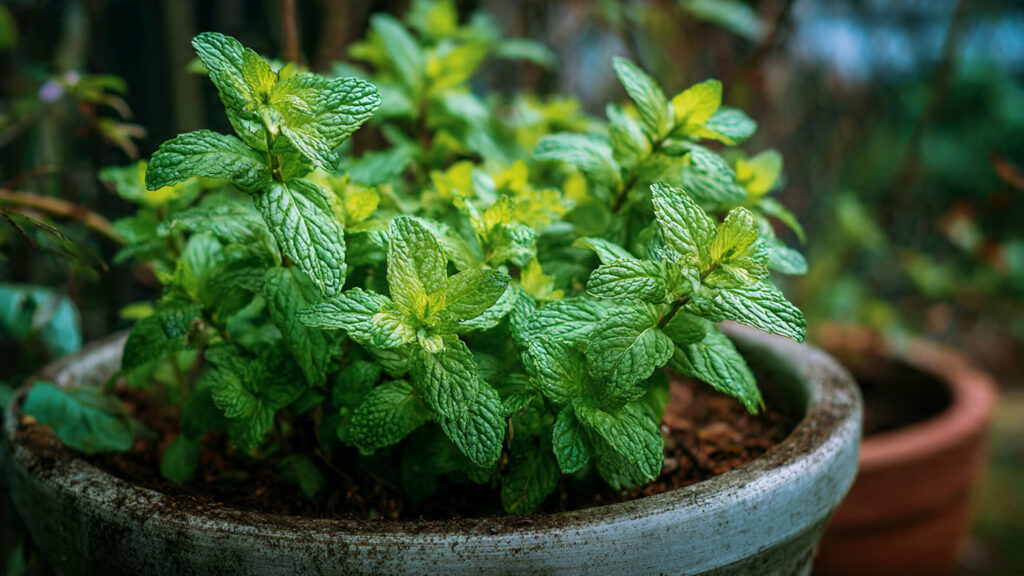
Few herbs bring as much versatility, fragrance, and freshness to the kitchen as mint. Whether you’re infusing water, garnishing desserts, adding a zing to salads, or crafting homemade teas, fresh mint elevates everyday meals with minimal effort. But achieving a thriving mint garden that produces daily harvests requires more than simply planting a few stems in the soil. Mint is vigorous, fast-growing, and can be surprisingly demanding if you want to keep it productive, healthy, and under control.
This comprehensive guide will walk you through everything you need to know to cultivate a thriving mint garden, from selecting the right varieties to harvesting techniques and pest management. By the end, you’ll be ready to enjoy fresh, aromatic leaves straight from your garden every day.
Understanding Mint and Its Growth Habits
Mint belongs to the genus Mentha, which includes dozens of species and cultivars. Common varieties include:
- Peppermint (Mentha × piperita) – strong, cooling flavor, ideal for teas and desserts.
- Spearmint (Mentha spicata) – sweet, versatile flavor for cooking and beverages.
- Chocolate mint – hints of cocoa flavor, fun for culinary experimentation.
- Apple mint – fruity aroma, perfect for garnishes and cocktails.
Mint is a perennial herb that spreads aggressively via underground rhizomes. While this growth habit makes it productive, it can also take over garden beds if left unchecked. Containing mint and encouraging healthy, tender leaves is essential for a successful garden.
Choosing the Right Planting Method
Mint can be grown in several ways depending on your available space and goals:
1. In-Ground Planting
- Works well in large beds or borders.
- Use barriers such as pots buried in the soil to contain spreading roots.
- Ensure rich, well-draining soil for vigorous growth.
2. Containers and Pots
- Perfect for small gardens, patios, and indoor growth.
- Containment prevents mint from becoming invasive.
- Choose a pot with drainage holes to prevent root rot.
3. Raised Beds
- Combines benefits of in-ground and container gardening.
- Easier to manage soil quality and drainage.
- Use edging or buried barriers to prevent mint from overtaking neighboring plants.
Regardless of method, spacing mint 12–18 inches apart allows each plant room to flourish while facilitating airflow and sunlight penetration.
Selecting a Location
Mint prefers partial to full sunlight but grows best with 3–4 hours of direct morning sun and dappled afternoon light. Excessive direct sun in hot climates can scorch leaves, while too little light leads to weak, leggy growth.
Good airflow is also important to prevent fungal issues, especially in humid climates. Avoid planting in areas prone to standing water.
Soil Preparation
Healthy soil is the foundation of a thriving mint garden.
Ideal Soil Conditions:
- Texture: Loamy and well-draining
- pH: Slightly acidic to neutral (6.0–7.0)
- Nutrients: Rich in organic matter
Before planting:
- Loosen soil to 12–15 inches depth.
- Mix in compost or aged manure to boost fertility.
- Avoid heavy clay soil unless amended to improve drainage.
Well-prepared soil encourages vigorous growth and tender, flavorful leaves.
Watering and Moisture Management
Mint loves consistently moist soil. Dry conditions stress plants, leading to bitter flavors and slower growth.
Watering Tips:
- Water deeply 1–2 times per week depending on weather.
- Keep soil evenly moist but not waterlogged.
- Mulch with straw or shredded leaves to retain moisture and regulate soil temperature.
In containers, check moisture daily, especially in hot weather, since pots dry faster than garden beds.
Fertilization for Vigorous Growth
Mint is a nutrient-hungry herb, particularly when grown for continuous harvests.
➡️ How to Grow Malabar Spinach from Cuttings for Fast, Easy Greens
➡️ How to Grow Super Delicious Cabbage at Home Without a Garden
➡️ How to Grow Bean Sprouts at Home in Plastic Bottles Easily (Step‑by‑Step Guide)
➡️ Why is Your Lemon Tree Blooming in the Heart of Winter?
➡️ Why Should Your Garden Have a Dedicated Pollinator Highway?
➡️ Why Do Your Fruit Trees Need a Winter Wash to Thrive in Spring?
➡️ How Can Rice Water Transform Your Fruits into Sweeter Delights?
➡️ Jumpstart Your Winter Garden: Seed Starting Under Lights
Feeding Guidelines:
- Use a balanced, all-purpose fertilizer or an organic option like compost tea.
- Feed lightly every 4–6 weeks during the growing season.
- Avoid over-fertilizing, which can produce lush leaves with weak flavor.
Healthy, nutrient-rich plants produce more leaves and improve essential oil content for maximum aroma.
Pruning and Pinching
To maintain a thriving, productive mint garden, regular pruning is essential.
Techniques:
- Pinch the tips of young shoots to encourage branching.
- Trim back mature stems by one-third every few weeks to stimulate new growth.
- Remove flowers early if the goal is leaf production, as flowering can reduce leaf quality.
Regular pruning not only prevents legginess but also maintains a compact, bushy structure, making daily harvests easier.
Harvesting for Daily Use
Mint is unique in that it responds well to frequent harvesting. Daily or every-other-day picking encourages new leaves and prevents overcrowding.
Harvesting Tips:
- Snip stems just above a set of leaves using sharp scissors.
- Focus on younger leaves for the most aromatic and flavorful harvest.
- Avoid removing more than one-third of the plant at a time to prevent stress.
Frequent harvesting keeps your mint garden lush and encourages continuous production throughout the season.
Managing Pests and Diseases
While relatively hardy, mint can attract a few common pests and diseases.
Common Problems:
- Aphids: Small green insects on new growth. Remove by spraying water or using neem oil.
- Spider mites: Flourish in dry indoor air. Increase humidity or spray with insecticidal soap.
- Powdery mildew: Appears as white leaf coating in humid conditions. Improve airflow and water at soil level.
Healthy soil, proper spacing, and consistent maintenance reduce pest and disease risk.
Companion Planting and Garden Design
Mint is an excellent companion plant for many vegetables and flowers, though care must be taken due to its aggressive growth.
Companion Benefits:
- Repels pests like cabbage moths and aphids.
- Enhances the flavor of nearby crops when grown in close proximity (in containers).
- Adds vertical and aromatic layers to a mixed herb garden.
Plant mint in dedicated containers or confined raised bed sections to avoid it overtaking more delicate neighbors.
Extending the Growing Season
Mint grows best in warm, sunny months but can be extended through:
- Indoor pots near sunny windows or under grow lights.
- Partial shade during extreme summer heat.
- Protection from frost in cooler climates, such as covering beds with frost cloth or moving containers indoors.
With proper care, mint can provide year-round harvests in many regions.
Propagation for Expanding Your Garden
Mint is easy to propagate, making it simple to expand your garden or share with friends.
Propagation Methods:
- Stem cuttings: Place a 4–6 inch cutting in water until roots form, then transplant to soil.
- Division: Dig up a clump, separate rhizomes, and replant.
Propagation ensures you always have fresh plants ready for continuous harvest.
Maximizing Flavor and Aroma
The secret to flavorful mint is healthy, stress-free growth.
- Harvest leaves in the morning after dew dries but before midday heat.
- Avoid letting plants dry out.
- Ensure consistent light and nutrient availability.
Leaves stored fresh in the refrigerator last 3–5 days, but using them immediately delivers the best flavor.
Creative Uses for Fresh Mint
Once your garden is thriving, daily harvests open endless culinary possibilities:
- Fresh teas and infused water
- Garnishing desserts like chocolate mousse or fruit salads
- Adding to salads, sauces, or marinades
- Blending into smoothies or homemade pesto
- Flavoring beverages such as mojitos or lemonades
Having a constant supply transforms everyday meals and beverages into gourmet experiences.
Long-Term Maintenance Tips
To keep your mint garden productive year after year:
- Divide crowded plants every 2–3 years.
- Monitor soil health and replenish nutrients.
- Maintain regular pruning and harvesting schedule.
- Rotate containers or garden locations annually to reduce pest buildup.
With consistent care, your mint garden will remain a reliable source of fresh leaves and aromatic charm.
Final Thoughts
Cultivating a thriving mint garden is both simple and rewarding. By understanding its growth habits, providing optimal soil, light, and water, and maintaining regular harvesting practices, you can enjoy daily fresh leaves straight from your garden. The vigorous growth, delightful fragrance, and versatility in the kitchen make mint a must-have herb for every gardener—whether in a large outdoor plot or a few containers on a sunny windowsill.
From morning teas to evening cocktails, a well-cared-for mint garden ensures that your kitchen and home are always enriched with the vibrant, aromatic energy of freshly harvested leaves. With attention to detail and a little consistency, your mint garden can become a cornerstone of healthy, flavorful, and fragrant daily living.