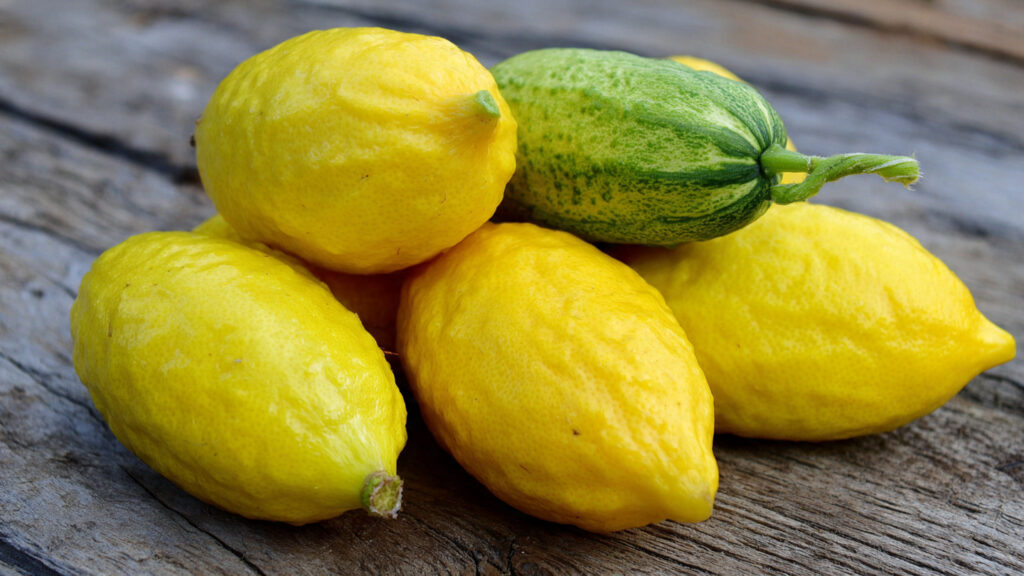
Lemon cucumbers are a unique and eye-catching variety of cucumber that stand out in the garden thanks to their round, bright yellow fruits. Unlike traditional green cucumbers, lemon cucumbers are slightly sweeter, have a crisp texture, and are perfect for fresh eating, pickling, or adding a colorful twist to salads. They are also known for being hardy, fast-growing, and highly productive, making them an ideal choice for backyard gardeners looking to diversify their harvest.
If you’ve ever wondered how to grow these vibrant cucumbers successfully in your own garden, this comprehensive guide will take you through everything you need to know—from soil preparation to harvesting—so you can enjoy a bountiful crop of lemon cucumbers each season.
Understanding Lemon Cucumbers
Lemon cucumbers, scientifically known as Cucumis sativus var. ‘Lemon’, are round, bright yellow cucumbers that resemble small lemons in both size and shape. Despite their appearance, they are not citrus fruits; they belong to the same species as traditional cucumbers.
Some key characteristics of lemon cucumbers include:
- Round, smooth yellow fruits, about the size of a golf ball to a tennis ball
- Mild, sweet flavor and crisp texture
- Rapid growth and early fruiting
- High tolerance to heat compared to some other cucumber varieties
These attributes make lemon cucumbers an excellent addition to backyard gardens, particularly for gardeners seeking novelty or aesthetic appeal alongside flavor and nutrition.
Selecting the Right Location
Lemon cucumbers thrive in warm, sunny environments. Choosing the right spot in your backyard is crucial for optimal growth and productivity.
Sunlight
Cucumbers are sun-loving plants that require at least 6–8 hours of direct sunlight each day. Insufficient sunlight can result in slower growth, smaller fruits, and increased susceptibility to disease. If you live in a hot climate, partial afternoon shade may help prevent heat stress.
Soil Requirements
Lemon cucumbers prefer well-draining, fertile soil with a slightly acidic to neutral pH (6.0–7.0). Heavy clay soils or compacted ground can hinder root development and water drainage, leading to poor plant health. To prepare your soil:
- Loosen the soil to a depth of at least 12 inches
- Incorporate compost or well-rotted manure to enrich nutrients
- Add perlite or sand if drainage is poor
Healthy soil not only provides essential nutrients but also promotes strong root systems, which are key to supporting the plant’s vigorous growth.
Starting Lemon Cucumbers from Seeds
Lemon cucumbers can be grown directly from seeds sown in the garden or started indoors for an early harvest.
Indoor Seed Starting
- Sow seeds ¼–½ inch deep in seed-starting trays or pots filled with a light, well-draining seed mix.
- Maintain a temperature of 70–75°F (21–24°C) for optimal germination.
- Keep soil consistently moist but not waterlogged.
- Seedlings typically emerge within 7–10 days.
Once seedlings develop their first true leaves and the risk of frost has passed, they can be transplanted outdoors.
Direct Sowing
For regions with longer growing seasons, direct sow seeds in prepared soil after the last frost date. Space seeds 12–18 inches apart in rows or hills to allow room for sprawling vines.
Providing Support for Vines
Lemon cucumbers are vining plants, meaning they grow long trailing stems that can sprawl across the ground. While you can let them grow on the soil surface, providing vertical support offers several advantages:
- Better air circulation reduces the risk of fungal diseases such as powdery mildew
- Cleaner fruits are less likely to come into contact with soil and pests
- Easier harvesting allows for better visibility and access
Trellis or Netting
Install a sturdy trellis, netting, or vertical frame before planting. As vines grow, gently guide them upward and use soft ties or clips if necessary. Lemon cucumbers readily attach using tendrils, making vertical growth simple once initiated.
Watering and Moisture Management
Consistent moisture is critical for lemon cucumber growth. Uneven watering can lead to bitter fruits or poor development.
➡️ How to Grow Malabar Spinach from Cuttings for Fast, Easy Greens
➡️ How to Grow Super Delicious Cabbage at Home Without a Garden
➡️ How to Grow Bean Sprouts at Home in Plastic Bottles Easily (Step‑by‑Step Guide)
➡️ Why is Your Lemon Tree Blooming in the Heart of Winter?
➡️ Why Should Your Garden Have a Dedicated Pollinator Highway?
➡️ Why Do Your Fruit Trees Need a Winter Wash to Thrive in Spring?
➡️ How Can Rice Water Transform Your Fruits into Sweeter Delights?
➡️ Jumpstart Your Winter Garden: Seed Starting Under Lights
- Water deeply 1–2 times per week, depending on rainfall and soil type.
- Keep soil evenly moist, especially during flowering and fruiting stages.
- Avoid wetting foliage excessively to reduce the risk of fungal diseases.
- Mulch around the base of plants with straw or shredded leaves to retain moisture, suppress weeds, and regulate soil temperature.
Proper water management ensures healthy leaves, steady growth, and uniform fruit size.
Fertilization and Nutrition
Lemon cucumbers are heavy feeders that require regular nutrition to produce abundant fruit.
Pre-Planting Fertilization
- Incorporate compost or well-rotted manure into the soil prior to planting.
- Optionally, mix in a balanced granular fertilizer with equal parts nitrogen, phosphorus, and potassium.
Ongoing Fertilization
- Apply a liquid fertilizer every 2–3 weeks during the growing season.
- Fertilizers high in potassium support flowering and fruiting, while nitrogen promotes leafy growth.
- Avoid over-fertilization with nitrogen alone, as this can lead to excessive foliage and fewer fruits.
Pollination
Like most cucumbers, lemon cucumbers produce separate male and female flowers. Successful fruiting depends on effective pollination.
- Outdoor Gardens: Pollinators such as bees naturally transfer pollen between flowers.
- Greenhouse or Indoor Gardens: Hand-pollination may be necessary. Use a small paintbrush to transfer pollen from male to female flowers.
Healthy pollination increases fruit set and ensures round, plump cucumbers.
Pruning and Vine Management
While pruning lemon cucumber vines is not always necessary, it can improve yield and airflow.
- Remove dead, yellowing, or diseased leaves promptly.
- Limit the number of lateral shoots if the plant becomes overcrowded.
- Regularly train vines on the trellis to prevent tangling and promote even growth.
Effective pruning can lead to higher-quality fruits and reduce the likelihood of disease.
Pest and Disease Control
Despite their resilience, lemon cucumbers are susceptible to common cucumber pests and diseases.
Common Pests
- Aphids: Small, sap-sucking insects that cluster on young leaves
- Cucumber beetles: Feed on leaves and transmit bacterial wilt
- Spider mites: Cause stippling and yellowing on leaves
Common Diseases
- Powdery mildew: White powdery coating on leaves
- Downy mildew: Yellowing and wilting with brown leaf edges
Preventive Measures
- Maintain proper spacing and trellising to increase airflow
- Water at the base rather than overhead
- Inspect plants regularly and remove infected foliage
- Use organic pesticides or neem oil when necessary
Harvesting Lemon Cucumbers
Harvesting at the right time ensures optimal flavor and texture.
- Fruits are ready when they reach 2–3 inches in diameter and are uniformly yellow.
- Pick regularly to encourage continued production.
- Avoid letting fruits over-ripen on the vine, as this can reduce overall yield.
Handling cucumbers gently prevents bruising and damage. With proper care, a single lemon cucumber plant can produce dozens of fruits during a growing season.
Companion Planting
Lemon cucumbers benefit from strategic companion planting. Good companions include:
- Beans: Improve soil nitrogen and support vine growth
- Radishes: Repel cucumber beetles
- Marigolds: Deter pests with natural chemicals in their roots and flowers
Avoid planting near aromatic herbs like sage or rosemary, which can inhibit cucumber growth.
Maximizing Yield
To achieve maximum productivity:
- Provide vertical support for the vines
- Ensure consistent watering and nutrient supply
- Keep plants free from pests and disease
- Train vines regularly to optimize sunlight exposure
- Harvest frequently to encourage new fruit production
With these practices, backyard gardeners can enjoy a long harvest of high-quality lemon cucumbers.
Final Thoughts
Growing lemon cucumbers in your backyard garden is a rewarding and visually appealing endeavor. Their bright yellow fruits, crisp flavor, and versatility make them a unique addition to any home garden. By providing the right soil, sunlight, water, and support, and by carefully managing pests and pollination, gardeners can enjoy a healthy, high-yielding crop from seedling to harvest.
Whether you are a seasoned gardener or a beginner, following these techniques ensures that your lemon cucumbers thrive, producing bountiful, eye-catching fruits that are sure to impress family, friends, and neighbors alike.