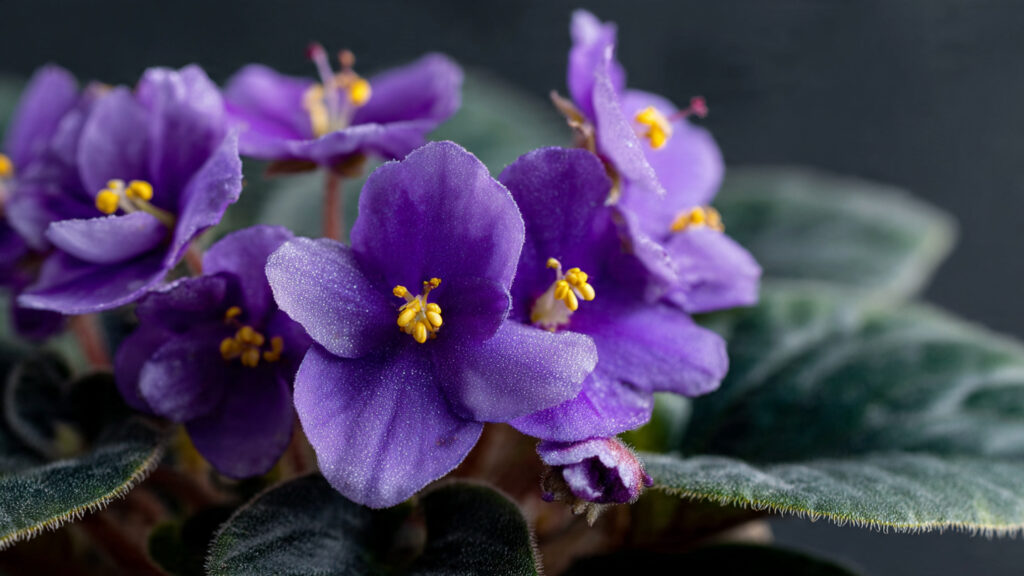
Few indoor plants bring as much charm and color to a home as African violets. With their velvety leaves and delicate, vibrant flowers, they add a touch of elegance to any windowsill, desk, or indoor shelf. Best of all, African violets (Saintpaulia spp.) are surprisingly adaptable, allowing dedicated growers—and even beginners—to enjoy blooms throughout the year.
The secret to effortless, year-round African violet growth lies in understanding their natural needs and replicating those conditions indoors. This ultimate guide will walk you through every step, from choosing the right varieties to watering, feeding, lighting, and troubleshooting common issues. By following these techniques, your African violets can thrive and flower consistently, turning your home into a vibrant floral sanctuary.
Understanding African Violets
African violets are native to the cloud forests of eastern Africa, particularly Tanzania and Kenya. In their natural environment, they grow in well-drained soils, under the filtered light of forest canopies, and in consistent humidity.
Key characteristics:
- Compact rosettes of fuzzy, soft leaves
- Flowers in shades of violet, pink, white, and bi-colors
- Indeterminate bloom cycle, meaning they can flower year-round under optimal conditions
These traits make them ideal indoor plants, but success depends on mimicking their natural habitat.
Choosing the Right African Violet Varieties
Selecting a variety suited to your home environment is the first step toward effortless growth. African violets are broadly categorized into three types:
1. Standard Varieties
- Grow up to 6–8 inches wide
- Produce abundant blooms
- Ideal for general indoor conditions
2. Miniature and Semi-Miniature Varieties
- Smaller leaves and flowers
- Perfect for windowsills, small apartments, or tabletop displays
- Often bloom more frequently than standard varieties
3. Trailing or Semi-Trailing Varieties
- Long, cascading foliage and flowers
- Great for hanging baskets or decorative displays
- Require support for their trailing habit
Choosing a variety that matches your space and preferences improves your chances of consistent blooms.
Lighting for Year-Round Blooms
Lighting is critical for African violet growth. Insufficient light results in slow growth, fewer blooms, and weak leaves, while excessive direct sunlight can scorch foliage.
Ideal Lighting Conditions:
- Indirect, bright light: Place near east- or north-facing windows
- Artificial lighting: Fluorescent or LED grow lights work well if natural light is limited
- Light duration: 12–14 hours per day to encourage continuous flowering
Tips for optimal lighting:
- Rotate plants regularly to ensure even growth
- Avoid direct afternoon sun, which can damage leaves
- Supplement with artificial lighting during winter or in darker rooms
Proper lighting stimulates flower bud formation, ensuring year-round blooms.
Soil and Potting Essentials
African violets thrive in well-draining, slightly acidic soil. Using the correct soil mix is essential to prevent root rot and encourage healthy growth.
Soil Requirements:
- Light, airy potting mix
- Contains peat moss, perlite, or vermiculite
- Avoid dense garden soil, which can retain too much moisture
Pot Selection:
- Small to medium-sized pots work best
- Ensure proper drainage holes
- Slightly crowded roots encourage more blooms
Repotting every 12–18 months refreshes the soil and supports continued growth.
Watering Techniques
Watering is one of the most crucial aspects of African violet care. Both overwatering and underwatering can harm the plant.
Best Practices:
- Water from the bottom to avoid wetting the leaves
- Keep the soil evenly moist but not soggy
- Use room-temperature water to prevent shock
Signs of Improper Watering:
- Overwatering: Yellowing leaves, mushy roots, mold growth
- Underwatering: Wilting leaves, dry soil, slow growth
Consistency in watering is key to maintaining healthy foliage and encouraging frequent flowering.
Fertilization for Continuous Blooms
African violets are light feeders but respond well to regular fertilization. The right nutrients promote foliage health and flower production.
➡️ How to Grow Malabar Spinach from Cuttings for Fast, Easy Greens
➡️ How to Grow Super Delicious Cabbage at Home Without a Garden
➡️ How to Grow Bean Sprouts at Home in Plastic Bottles Easily (Step‑by‑Step Guide)
➡️ Why is Your Lemon Tree Blooming in the Heart of Winter?
➡️ Why Should Your Garden Have a Dedicated Pollinator Highway?
➡️ Why Do Your Fruit Trees Need a Winter Wash to Thrive in Spring?
➡️ How Can Rice Water Transform Your Fruits into Sweeter Delights?
➡️ Jumpstart Your Winter Garden: Seed Starting Under Lights
Fertilizer Guidelines:
- Use a balanced fertilizer formulated for African violets (20-20-20 ratio or similar)
- Feed lightly every 4–6 weeks during active growth
- Reduce feeding during dormancy or slow-growth periods
Over-fertilizing can lead to salt buildup and leaf burn, so moderation is essential.
Maintaining Ideal Temperature and Humidity
African violets thrive in stable, warm environments. Their preferred conditions mimic their native cloud forests.
Temperature:
- Optimal range: 65–75°F (18–24°C)
- Avoid sudden drafts, cold windows, and heaters
Humidity:
- Prefer moderate to high humidity (50–70%)
- Use humidity trays, pebble trays, or room humidifiers
- Grouping plants can increase local humidity
Maintaining consistent temperature and humidity encourages robust growth and consistent flowering.
Pruning and Grooming
Regular pruning and grooming help African violets maintain a tidy appearance and stimulate new blooms.
Techniques:
- Remove yellow or damaged leaves
- Pinch off spent flowers at the base of the stem
- Avoid cutting healthy green foliage, as it is vital for photosynthesis
Proper grooming prevents disease and encourages continuous blooming cycles.
Propagation for Effortless Growth
African violets are easy to propagate, making it simple to maintain year-round blooms or expand your collection.
Leaf Cutting Method:
- Select a healthy leaf and cut with a short stem
- Place in a small pot with a light potting mix or water until roots form
- Transplant when roots and new growth appear
Regular propagation ensures you always have new plants ready to flower, keeping your indoor garden vibrant.
Managing Common Problems
Even experienced growers encounter issues. Here’s how to handle common challenges:
1. Yellowing Leaves
- Often due to overwatering, poor drainage, or low light
- Adjust watering and lighting conditions accordingly
2. Brown Leaf Tips
- Caused by dry air or over-fertilization
- Increase humidity and reduce fertilizer concentration
3. Pests
- Mealybugs, spider mites, and aphids are common
- Inspect leaves regularly
- Treat infestations with insecticidal soap or neem oil
Monitoring plant health and addressing problems promptly keeps blooms consistent.
Seasonal Care for Continuous Blooms
African violets don’t have strict seasonal flowering cycles if conditions remain optimal. However, small adjustments help maintain year-round growth:
Spring and Summer:
- Increase watering slightly during active growth
- Fertilize regularly
- Rotate plants to ensure even light exposure
Fall and Winter:
- Maintain consistent light, possibly with grow lights
- Reduce watering slightly as growth slows
- Avoid drafts from windows and doors
With careful attention, blooms can occur any time of year.
Styling African Violets in Your Home
African violets not only provide color but also enhance interior aesthetics.
- Group multiple pots for a colorful display
- Use decorative pots and trays to complement home décor
- Place at eye level or on shelves for maximum visual impact
- Combine with other shade-loving houseplants for a tropical feel
Well-styled African violets create an inviting and vibrant indoor environment.
Benefits of Growing African Violets Indoors
Besides their beauty, African violets offer several advantages:
- Compact size suitable for small spaces
- Continuous blooms brighten interiors
- Improve indoor air quality slightly
- Encourage mindfulness and routine care
- Provide a sense of accomplishment and joy for gardeners
Their ease of care and stunning appearance make them a rewarding addition to any home.
Final Thoughts
African violets are among the most charming and adaptable houseplants, capable of producing year-round blooms with minimal effort if given the right conditions. Success depends on understanding their natural environment and replicating it indoors—bright indirect light, consistent moisture, well-draining soil, moderate humidity, and balanced feeding.
By selecting suitable varieties, maintaining proper care routines, and propagating new plants as needed, you can create a vibrant indoor garden that blooms continuously. Their velvety leaves and colorful flowers provide endless beauty, turning your home into a year-round floral oasis.
With patience, attention, and these expert tips, African violets can thrive effortlessly, bringing joy and color to your indoor spaces all year long.