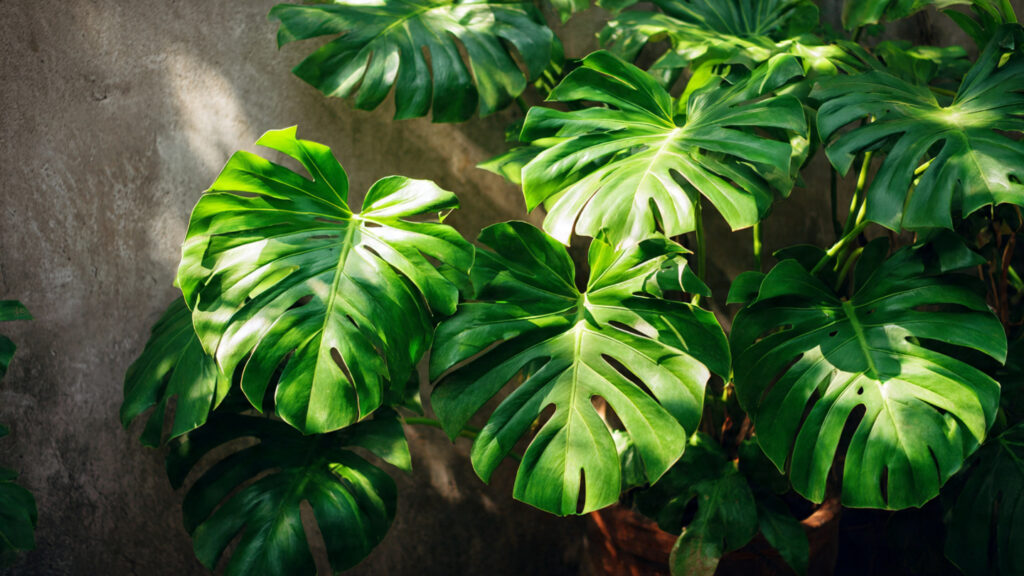
The Monstera deliciosa, commonly known as the Split Leaf Philodendron, has captivated plant enthusiasts worldwide with its dramatic, glossy, fenestrated leaves. Native to the tropical forests of Central America, this iconic plant is celebrated not only for its striking foliage but also for its relatively easy care, adaptability, and sculptural presence in gardens and patios. While many people enjoy it as an indoor plant, growing it outdoors can unlock its full potential, allowing it to reach impressive heights and produce larger, more intricate leaves.
This ultimate guide will walk you through everything you need to know to cultivate a thriving Split Leaf Philodendron outdoors — from ideal location and soil requirements to pruning, fertilizing, and pest management — ensuring your plant displays optimal growth and stunning foliage.
Why Grow Split Leaf Philodendron Outdoors?
Growing a Split Leaf Philodendron outdoors offers several advantages over indoor cultivation:
- Larger Growth: Outdoors, Monstera can develop larger, more intricate leaves.
- Stronger Roots: Outdoor conditions encourage robust root systems.
- Better Airflow: Reduces risk of pests and fungal issues common indoors.
- Natural Humidity and Light: Tropical conditions mimic the plant’s native environment.
- Aesthetic Appeal: Makes a dramatic statement in tropical, subtropical, and shaded garden areas.
By recreating its native tropical habitat outdoors, you give the plant the conditions it needs to thrive and achieve its full ornamental potential.
Step 1: Selecting the Right Outdoor Location
The ideal outdoor site is critical for success. Split Leaf Philodendrons thrive in warm, humid, partially shaded environments.
Key Considerations:
- Temperature: Monstera prefers 65–85°F (18–29°C). Avoid areas that experience frost, as cold temperatures can damage leaves and stunt growth.
- Light: Bright, indirect sunlight is ideal. While they tolerate some direct morning or late afternoon sun, harsh midday sun can scorch leaves. Dappled shade under trees works perfectly.
- Humidity: High humidity encourages larger leaves and faster growth. Outdoor tropical or subtropical climates are ideal, but in drier regions, consider misting or placing near water features.
- Space: Monstera can grow aggressively outdoors, reaching 10–20 feet in height with support. Ensure there is ample room for vertical and horizontal growth.
Avoid placing plants near harsh winds, direct afternoon sun, or areas prone to standing water.
Step 2: Preparing the Soil
Split Leaf Philodendrons prefer rich, well-draining, and slightly acidic soil.
Soil Requirements:
- Texture: Loamy soil with high organic matter content
- Drainage: Excellent drainage is essential to prevent root rot
- pH Level: Slightly acidic to neutral (5.5–7.0)
Preparing the Soil:
- Dig a hole twice the width of the root ball.
- Amend native soil with compost, peat moss, or coconut coir to enhance fertility and water retention.
- Incorporate perlite or coarse sand to improve aeration and drainage.
- Avoid compacted clay soil unless amended heavily with organic matter.
A well-prepared soil bed ensures roots can establish quickly and access nutrients efficiently.
Step 3: Planting Your Split Leaf Philodendron
Timing:
- Best planted in spring or early summer when temperatures are warm and rainfall is sufficient.
Planting Steps:
- Remove the Monstera from its container and gently tease out the roots.
- Place it in the prepared hole, ensuring the crown sits slightly above soil level.
- Backfill with amended soil, firming lightly around the roots.
- Water thoroughly to settle the soil and eliminate air pockets.
- Apply a 2–3 inch mulch layer around the base to retain moisture and regulate temperature.
Step 4: Supporting Vertical Growth
Outdoors, Monstera develops large, aerial roots and long vines that benefit from structural support.
Support Options:
- Trellis or Obelisk: Provides vertical growth support while preventing sprawling on the ground.
- Trees or Large Shrubs: Mimics natural climbing environment.
- Stakes: Useful for younger plants until aerial roots attach to nearby structures.
Providing proper support encourages healthy, upright growth and prevents sprawling, which can make the plant look untidy.
Step 5: Watering for Optimal Growth
Monstera thrives in consistently moist but not waterlogged soil.
- Frequency: Water deeply once or twice per week during warm seasons.
- Method: Use drip irrigation or soaker hoses to maintain consistent moisture.
- Drought Periods: In dry spells, increase watering to prevent leaf drooping or browning.
- Avoid Overwatering: Ensure excess water drains away to prevent root rot.
Mulching around the base also helps retain moisture and maintain soil temperature.
Step 6: Fertilizing for Stunning Foliage
Nutrient-rich soil promotes lush, glossy leaves and rapid growth.
Fertilization Tips:
- Use a balanced, slow-release fertilizer (10-10-10 or 20-20-20) during the growing season (spring and summer).
- Supplement with liquid fertilizer every 4–6 weeks for extra vigor.
- Include micronutrients like magnesium and calcium to support leaf health.
- Avoid excessive nitrogen, which may promote leaf growth at the expense of aerial root development and structural strength.
Step 7: Pruning and Maintenance
Outdoor Monstera can grow aggressively, making pruning essential for shape, health, and safety.
Pruning Guidelines:
- Remove dead, yellowing, or damaged leaves regularly.
- Trim overly long vines to control size and encourage bushier growth.
- Cut aerial roots that are growing uncontrollably or in undesired directions.
- Pruning is best done in spring or early summer to support regrowth.
Pruning not only enhances appearance but also improves airflow, reducing the risk of pests and disease.
➡️ How to Grow Malabar Spinach from Cuttings for Fast, Easy Greens
➡️ How to Grow Super Delicious Cabbage at Home Without a Garden
➡️ How to Grow Bean Sprouts at Home in Plastic Bottles Easily (Step‑by‑Step Guide)
➡️ Why is Your Lemon Tree Blooming in the Heart of Winter?
➡️ Why Should Your Garden Have a Dedicated Pollinator Highway?
➡️ Why Do Your Fruit Trees Need a Winter Wash to Thrive in Spring?
➡️ How Can Rice Water Transform Your Fruits into Sweeter Delights?
➡️ Jumpstart Your Winter Garden: Seed Starting Under Lights
Step 8: Mulching and Soil Care
Mulching helps maintain soil health and encourages robust growth.
- Use organic mulch such as shredded bark, coconut coir, or leaf litter.
- Apply 2–3 inches around the plant, keeping mulch slightly away from the stem to prevent rot.
- Mulching regulates temperature, retains moisture, and suppresses weeds.
Over time, mulch decomposes, enriching the soil naturally.
Step 9: Pest and Disease Management
Monstera is relatively hardy outdoors but can attract pests or fungal infections under certain conditions.
Common Pests:
- Spider mites
- Mealybugs
- Aphids
Common Diseases:
- Root rot (due to poor drainage)
- Leaf spot (from excess moisture or poor airflow)
Prevention and Treatment:
- Inspect plants regularly.
- Ensure proper spacing and airflow.
- Use insecticidal soap or neem oil for minor pest infestations.
- Avoid overwatering and remove infected leaves promptly.
Step 10: Propagation Outdoors
Outdoor Monstera can be propagated easily for garden expansion.
Propagation Methods:
- Stem Cuttings: Take a cutting with at least one node and aerial root. Plant in soil or water until established.
- Air Layering: Wrap a section of stem with moss, allowing roots to form before detaching.
- Division: Mature plants with multiple stems can be separated to create new plants.
Propagation helps maintain healthy growth and spreads Monstera across your landscape.
Step 11: Seasonal Care
While Monstera is tropical, it requires some seasonal adjustments:
- Winter Protection: If temperatures drop below 50°F (10°C), protect the plant with frost cloths or grow in containers that can be moved indoors.
- Summer Care: Ensure adequate water and partial shade during intense heat to prevent leaf scorching.
- Monitoring Growth: Adjust supports as the plant grows taller and heavier.
Seasonal awareness keeps your Monstera thriving year-round.
Step 12: Maximizing Leaf Size and Aesthetics
The iconic large, split leaves are a hallmark of Monstera. To encourage optimal foliage:
- Provide bright, indirect sunlight with partial shade to prevent sunburn.
- Ensure consistent moisture and balanced fertilization.
- Support aerial roots and vines properly to allow natural growth patterns.
- Avoid overcrowding to enhance airflow and light exposure.
With proper care, leaves can reach several feet in length, creating a dramatic tropical effect.
Step 13: Combining Monstera with Other Plants
Split Leaf Philodendrons make excellent companions in tropical or shade gardens:
- Pair with ferns, Calatheas, or Alocasias for lush undergrowth.
- Combine with flowering shrubs for seasonal color contrast.
- Use as a statement centerpiece among low-growing ground covers.
Monstera’s large foliage provides texture, shade, and vertical interest in mixed plantings.
Step 14: Common Outdoor Challenges
Problem: Leaf Browning
- Cause: Excess sun, drought, or nutrient deficiency
- Solution: Provide partial shade, increase watering, and fertilize appropriately
Problem: Slow Growth
- Cause: Poor soil, insufficient humidity, or cold temperatures
- Solution: Amend soil, maintain moisture, and protect from cold drafts
Problem: Pests
- Cause: Aphids, spider mites, or mealybugs
- Solution: Inspect regularly, spray with neem oil, and prune affected areas
Step 15: Enjoying the Benefits of Outdoor Monstera
Outdoor Monstera provides:
- Aesthetic Appeal: Large, glossy leaves create tropical ambiance
- Air Quality Improvement: Like other plants, Monstera helps filter air
- Shade and Privacy: Can form a lush screen or hedge
- Low Maintenance: Once established, requires minimal intervention
The combination of ornamental and practical benefits makes Monstera a standout plant in any landscape.
Final Thoughts
Growing Split Leaf Philodendron outdoors unlocks the full potential of this iconic tropical plant. By providing the right location, soil mix, water, light, and support, your Monstera will thrive and produce stunning, fenestrated leaves that add drama and elegance to your garden.
Patience and consistent care are key. While it may take several years to reach full size, the reward is a tropical masterpiece that transforms any outdoor space into a lush, green sanctuary.
From carefully selecting the site to supporting its aerial roots, managing pests, and encouraging optimal foliage, this comprehensive guide ensures your Split Leaf Philodendron grows vigorously, showcasing its breathtaking leaves for years to come.