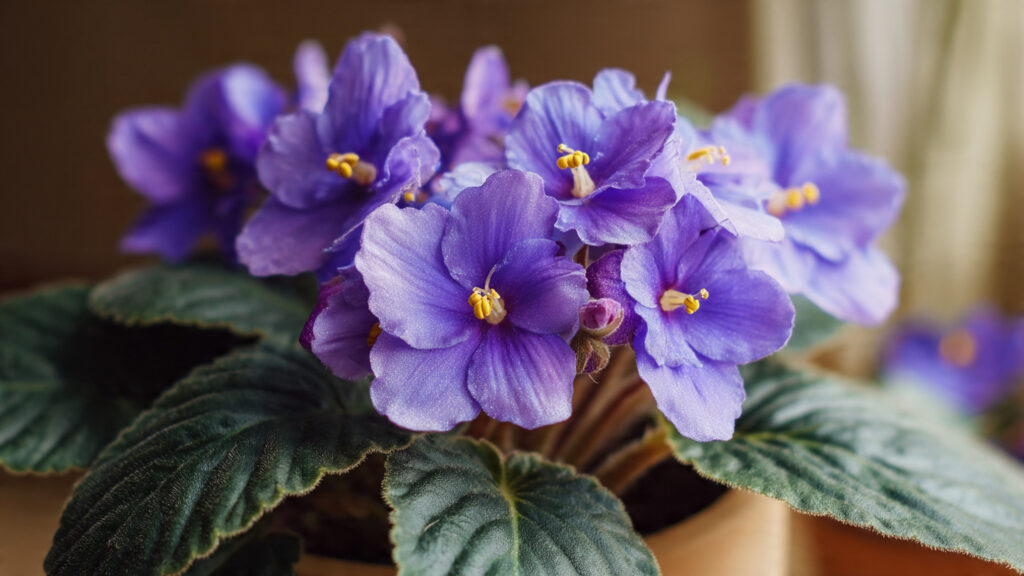
African violets, with their vibrant colors and delicate petals, are among the most cherished houseplants around the world. These small, perennial plants can brighten any room with minimal care—if you master one key aspect of their cultivation: watering. Proper watering is critical to keeping African violets healthy, lush, and flowering consistently. Too much water can cause root rot, while too little can stunt growth and prevent blooms. In this ultimate guide, we’ll explore everything you need to know about watering African violets effectively.
Why Proper Watering is Essential
African violets are native to the tropical regions of East Africa, where they thrive in humid environments with well-drained soil. This means they are particularly sensitive to watering practices. Here’s why proper watering is essential:
- Prevents root rot: Overwatering can suffocate roots, leading to rot, which is a common cause of African violet death.
- Promotes healthy blooms: Consistent moisture encourages vibrant flowers and abundant blooming.
- Maintains leaf health: Watering at the wrong time or in the wrong way can damage delicate leaves, causing spots or curling.
- Supports nutrient uptake: Water helps dissolve nutrients in the soil, making them available to the plant.
Understanding the science behind water and plant interaction is key to achieving healthy growth and long-lasting blooms.
How African Violets Absorb Water
African violets have shallow roots, which makes them more susceptible to both overwatering and underwatering. Unlike some plants with deep root systems, they rely heavily on the top layer of soil for moisture. Additionally, their fuzzy leaves are sensitive to direct water contact—droplets can leave permanent spots or cause fungal issues.
For these reasons, it’s important to know not just how much, but also how and when to water.
Best Watering Methods for African Violets
There are several effective methods for watering African violets. Each has its benefits and considerations.
1. Bottom Watering
Bottom watering is often considered the safest and most effective method. Here’s how to do it:
- Place your potted African violet in a shallow saucer or tray.
- Add water to the tray, making sure it reaches just below the soil surface.
- Allow the plant to soak for 20-30 minutes, or until the top of the soil feels slightly damp.
- Remove any excess water to prevent standing water, which can cause root rot.
Benefits:
- Prevents water from touching the leaves, avoiding leaf spots.
- Encourages roots to grow deeper, seeking moisture.
- Reduces the risk of overwatering since the plant absorbs only what it needs.
Tip: Avoid leaving the pot in water for more than an hour, as this can still cause root problems.
2. Top Watering
While bottom watering is ideal, top watering is sometimes necessary, especially if the soil is very dry. When doing top watering:
- Use room-temperature water, preferably filtered or rainwater.
- Water slowly around the base of the plant, avoiding contact with leaves.
- Ensure water penetrates evenly, and let excess drain freely from the pot.
Tips for Success:
- Use a watering can with a narrow spout to control flow.
- Water in the morning to allow leaves to dry by evening.
- Never let water sit on leaves, as this can cause spotting or fungal growth.
3. Self-Watering Pots
Self-watering pots are an excellent choice for those who want consistent moisture without the risk of overwatering. These pots typically have a reservoir at the bottom that allows the plant to draw water as needed.
Benefits:
- Reduces watering frequency.
- Maintains consistent soil moisture.
- Ideal for busy plant owners or beginners.
Consideration: Make sure the soil is suitable for African violets (light, airy, and well-draining), as heavy soils may become waterlogged even in self-watering pots.
How Often Should You Water African Violets?
The frequency of watering depends on several factors, including pot size, soil type, ambient temperature, and humidity. Here’s a simple guideline:
➡️ How to Grow Malabar Spinach from Cuttings for Fast, Easy Greens
➡️ How to Grow Super Delicious Cabbage at Home Without a Garden
➡️ How to Grow Bean Sprouts at Home in Plastic Bottles Easily (Step‑by‑Step Guide)
➡️ Why is Your Lemon Tree Blooming in the Heart of Winter?
➡️ Why Should Your Garden Have a Dedicated Pollinator Highway?
➡️ Why Do Your Fruit Trees Need a Winter Wash to Thrive in Spring?
➡️ How Can Rice Water Transform Your Fruits into Sweeter Delights?
➡️ Jumpstart Your Winter Garden: Seed Starting Under Lights
- Check the soil regularly: Stick your finger about an inch into the soil. If it feels dry, it’s time to water.
- Avoid a set schedule: African violets prefer slightly moist soil, not soggy soil. Watering should be based on soil moisture rather than the calendar.
- Adjust for seasons: In winter, plants grow slower and require less water; in summer, with higher temperatures and growth rates, they may need more frequent watering.
Rule of Thumb: Water once a week on average, but always check the soil first.
The Right Water Temperature
African violets are sensitive to extreme water temperatures. Always use room-temperature water, around 70°F (21°C).
- Cold water can shock the roots, leading to slowed growth or leaf damage.
- Hot water can burn the roots and harm overall plant health.
- Filtered or rainwater is preferable to tap water that is high in chlorine or salts.
Choosing the Right Soil for Effective Watering
Watering is only part of the equation. Soil quality directly affects how water is absorbed and retained. African violets need well-draining, light, and airy soil.
- Commercial African violet mixes are ideal as they contain the right balance of peat, perlite, and vermiculite.
- DIY mix: Combine equal parts of peat moss, perlite, and vermiculite for excellent drainage and moisture retention.
- Avoid garden soil, which can compact and retain too much water, causing root rot.
Good soil ensures water reaches the roots without pooling or stagnating.
Common Watering Mistakes to Avoid
Even experienced gardeners make mistakes. Avoid these common watering errors:
- Overwatering: The most common mistake; leads to root rot and yellowing leaves.
- Underwatering: Causes wilting, slow growth, and poor blooms.
- Watering leaves: Can create spots or fungal diseases. Always target the soil, not foliage.
- Ignoring drainage: Ensure pots have holes and remove excess water from trays.
- Using extreme temperatures: Cold or hot water shocks roots and can stress the plant.
Signs Your African Violet is Getting the Right Amount of Water
A healthy African violet shows subtle signs that indicate proper hydration:
- Leaves are firm, vibrant, and upright.
- Flowers bloom abundantly and last longer.
- Soil is evenly moist but not soggy.
- New growth appears regularly at the crown of the plant.
If you notice drooping leaves, brown spots, or stunted growth, adjust your watering technique immediately.
Extra Tips for Thriving African Violets
- Humidity: African violets thrive in moderate humidity. If your home is dry, place a shallow tray of water nearby to increase ambient moisture.
- Light: Provide bright, indirect light to complement proper watering.
- Fertilization: Feed lightly with a balanced African violet fertilizer every 4-6 weeks, ensuring water is applied first to prevent root burn.
- Cleaning leaves: Occasionally brush dust off leaves to prevent disease and allow efficient photosynthesis.
Conclusion
Watering African violets might seem simple, but it is the cornerstone of successful cultivation. By understanding your plant’s needs, choosing the right watering method, maintaining proper soil and pot conditions, and avoiding common mistakes, you can enjoy vibrant, healthy African violets that bloom consistently year-round.
Whether you choose bottom watering, top watering, or a self-watering system, the key is observation and consistency. Watch your plant, feel the soil, and respond to its cues. With these strategies, your African violets will thrive, showcasing their beautiful foliage and colorful blooms, making your indoor garden a true sanctuary of life and beauty.