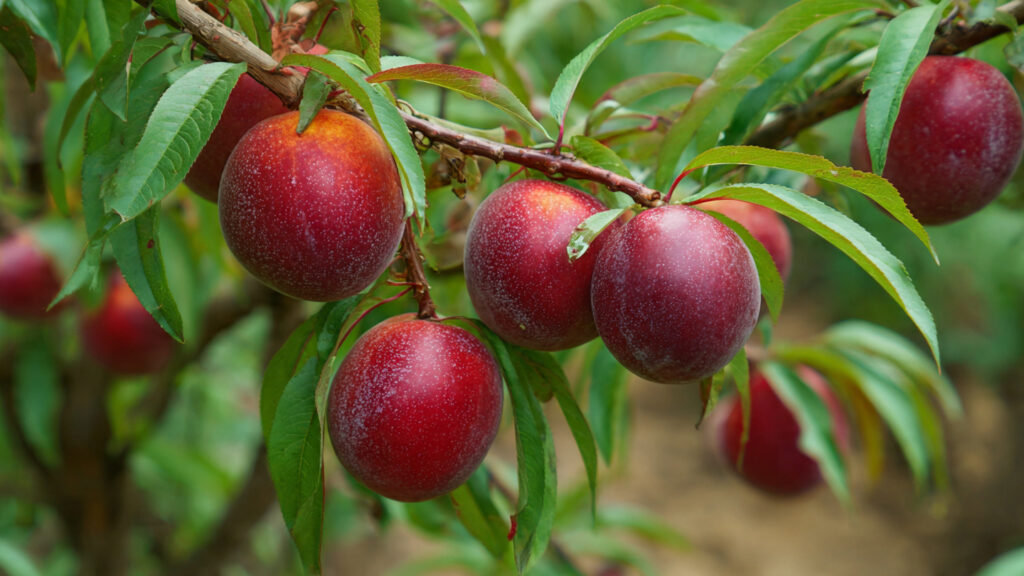
Nectarines, with their smooth skin, juicy flesh, and sweet flavor, are a delight for any backyard orchard enthusiast. While these stone fruits are commonly associated with warmer regions, with the right strategies, it’s possible to cultivate nectarines successfully in northern climates. Cold winters, shorter growing seasons, and unpredictable spring frosts pose unique challenges, but careful planning, proper site selection, and effective orchard management can yield a bountiful harvest of high-quality fruit.
This guide explores the most effective techniques for growing nectarines in northern climates, from selecting suitable varieties to pruning, pollination, and protecting trees from environmental stressors.
Understanding Nectarines and Their Growth Requirements
Nectarines (Prunus persica var. nucipersica) are closely related to peaches but are distinguished by their smooth skin. Like other stone fruits, nectarines have specific requirements:
- Chill Hours: Most nectarines require a certain number of chill hours (hours below 45°F/7°C) during winter to break dormancy. Northern climates often provide sufficient chill, making them suitable for cold-hardy varieties.
- Sunlight: Full sun exposure is critical for fruit development and sweetness. Trees need at least 6–8 hours of direct sunlight daily.
- Soil: Nectarines prefer well-draining, fertile soil with a slightly acidic to neutral pH (6.0–7.0). Poorly drained soils increase the risk of root rot.
- Temperature: Flower buds are sensitive to spring frost. Careful site selection and protective measures are necessary to prevent frost damage during blooming.
Understanding these requirements helps you select the right varieties and implement strategies that support successful growth.
Selecting Cold-Hardy Nectarine Varieties
Choosing the right variety is perhaps the most critical decision for northern gardeners. Look for cultivars that:
- Require lower chill hours (suitable for shorter winters)
- Bloom later in spring to avoid frost damage
- Exhibit resistance to common diseases like bacterial spot and peach leaf curl
Some recommended cold-hardy nectarine varieties for northern climates include:
- ‘Hardired’ – Known for late bloom and frost tolerance
- ‘Flavortop’ – A sweet, firm-fleshed variety with moderate chill requirement
- ‘Red Gold’ – Compact tree, good for smaller gardens, with late-season bloom
Consult local nurseries or agricultural extension services to determine which varieties are best adapted to your specific region.
Site Selection and Microclimates
In northern climates, the right planting site can make or break your nectarine success. Consider the following:
- Sun Exposure: Choose a location with full sun, ideally south-facing slopes to maximize warmth and reduce frost risk.
- Air Drainage: Cold air settles in low areas, increasing frost risk. Plant on gentle slopes or raised beds to allow cold air to drain away.
- Soil Drainage: Avoid areas with standing water. Nectarines are highly susceptible to root diseases in poorly drained soils.
Creating a favorable microclimate can improve flowering, fruit set, and overall tree health in cooler northern conditions.
Planting and Establishment
When to Plant
- Early spring after the last frost is ideal, allowing trees to establish before winter.
- Bare-root trees should be planted while dormant, usually in early spring.
Planting Technique
- Dig a hole twice the width of the root system and the same depth as the root ball.
- Loosen soil at the bottom and sides to encourage root growth.
- Position the tree so that the graft union is 2–3 inches above soil level.
- Backfill with enriched soil and water thoroughly.
- Mulch around the base to retain moisture and moderate soil temperature.
Proper planting ensures strong root establishment, which is critical for northern climates with short growing seasons.
Pruning and Training
Pruning nectarines is essential for cold climates to ensure sunlight penetration, air circulation, and manageable tree structure.
Training Systems
- Open Center (Vase Shape): Ideal for northern climates as it exposes buds to sunlight and reduces disease risk.
- Central Leader: Suitable for larger trees, but may require more winter protection.
Pruning Tips
- Remove dead, diseased, or crossing branches annually during dormancy.
- Thin out crowded shoots to allow sunlight and airflow into the canopy.
- Maintain a balance between vegetative growth and fruiting wood.
Pruning not only promotes tree health but also increases fruit quality and reduces susceptibility to frost damage.
Pollination Strategies
Most nectarine varieties are self-fertile, meaning they can produce fruit without a second tree. However, planting compatible varieties nearby can enhance pollination and increase fruit set.
- Encourage pollinators like bees and butterflies by planting flowers nearby.
- Avoid using pesticides during flowering to protect pollinator activity.
Enhanced pollination ensures larger and more abundant fruits, especially in regions where insect activity may be limited due to cooler temperatures.
Fertilization and Soil Management
Nectarines require balanced nutrition to thrive, particularly in northern soils that may be less fertile.
➡️ How to Grow Malabar Spinach from Cuttings for Fast, Easy Greens
➡️ How to Grow Super Delicious Cabbage at Home Without a Garden
➡️ How to Grow Bean Sprouts at Home in Plastic Bottles Easily (Step‑by‑Step Guide)
➡️ Why is Your Lemon Tree Blooming in the Heart of Winter?
➡️ Why Should Your Garden Have a Dedicated Pollinator Highway?
➡️ Why Do Your Fruit Trees Need a Winter Wash to Thrive in Spring?
➡️ How Can Rice Water Transform Your Fruits into Sweeter Delights?
➡️ Jumpstart Your Winter Garden: Seed Starting Under Lights
Pre-Planting Soil Preparation
- Conduct a soil test to identify nutrient deficiencies.
- Incorporate compost or well-rotted manure to improve fertility and drainage.
Fertilization During Growth
- Apply a balanced, slow-release fertilizer in early spring before bud break.
- During the growing season, provide additional nitrogen in small doses to promote leaf and stem growth.
- Avoid over-fertilizing late in the season, as this can produce tender growth vulnerable to frost damage.
Regular fertilization supports strong wood formation, flowering, and fruit development.
Watering Practices
Consistent moisture is crucial, especially in northern regions where rainfall may be irregular.
- Deep, infrequent watering encourages deep root growth.
- Mulch around the base of the tree to retain moisture and moderate soil temperatures.
- Avoid wetting foliage to prevent fungal diseases.
Proper watering enhances tree resilience and improves fruit size and flavor.
Frost Protection Techniques
Spring frost is the biggest threat to nectarines in northern climates, as flowers and young fruits are extremely sensitive.
Protective Measures
- Row Covers or Frost Cloths: Cover trees during cold nights to trap heat.
- Wind Machines or Fans: Circulate warmer air to reduce frost accumulation.
- Mulching and Mounding Soil: Increase soil heat absorption near the root zone.
- Planting on Slopes: As mentioned, slopes allow cold air to drain away from trees.
Timing is critical—apply protection before temperatures drop and remove it once the risk has passed.
Pest and Disease Management
Nectarines are prone to several pests and diseases, particularly in humid or wet conditions.
Common Issues
- Peach Leaf Curl: Fungal disease that causes distorted leaves
- Brown Rot: Affects blossoms and fruit
- Aphids and Leafhoppers: Sap-sucking insects that weaken trees
Preventive Measures
- Apply dormant fungicides during winter or early spring.
- Prune to improve air circulation.
- Monitor trees regularly and remove affected tissues promptly.
- Encourage natural predators such as ladybugs and lacewings.
Proactive pest and disease management is especially important in northern climates where late frosts and wet conditions can exacerbate problems.
Harvesting Nectarines
Harvest timing significantly affects flavor and storage life:
- Fruits are ready to pick when they develop full color and a slight give to gentle pressure.
- Avoid leaving fruit on the tree too long, as northern climates can bring early fall frost or cold temperatures that damage ripening fruit.
- Harvest in the morning when temperatures are cooler to minimize stress on the fruit.
Regular harvesting encourages continuous fruit production and reduces the risk of overripe fruits falling and rotting.
Extending the Growing Season
Northern gardeners can take additional steps to extend the nectarine growing season:
- Use Cold Frames or Hoop Houses: Protect young trees and extend flowering and fruiting periods.
- Mulching: Conserves soil heat and moisture.
- Reflective Materials: Placing reflective surfaces around trees increases sunlight exposure, promoting faster ripening.
These strategies compensate for shorter summers and help nectarines reach full maturity.
Final Thoughts
Successfully growing nectarines in northern climates is achievable with careful planning and attention to detail. Selecting cold-hardy varieties, preparing soil properly, providing sunlight and water, and implementing frost protection are all essential for thriving trees and abundant fruit.
By combining traditional orchard practices with northern-specific strategies—such as open-center pruning, protective row covers, and late-bloom varieties—you can enjoy sweet, juicy nectarines even in regions with cold winters and short growing seasons.
With patience, diligence, and strategic planning, your northern backyard can yield healthy nectarine trees that produce flavorful, high-quality fruit year after year. Proper care ensures not only survival but also a productive and rewarding harvest that makes the effort of northern nectarine cultivation well worth it.