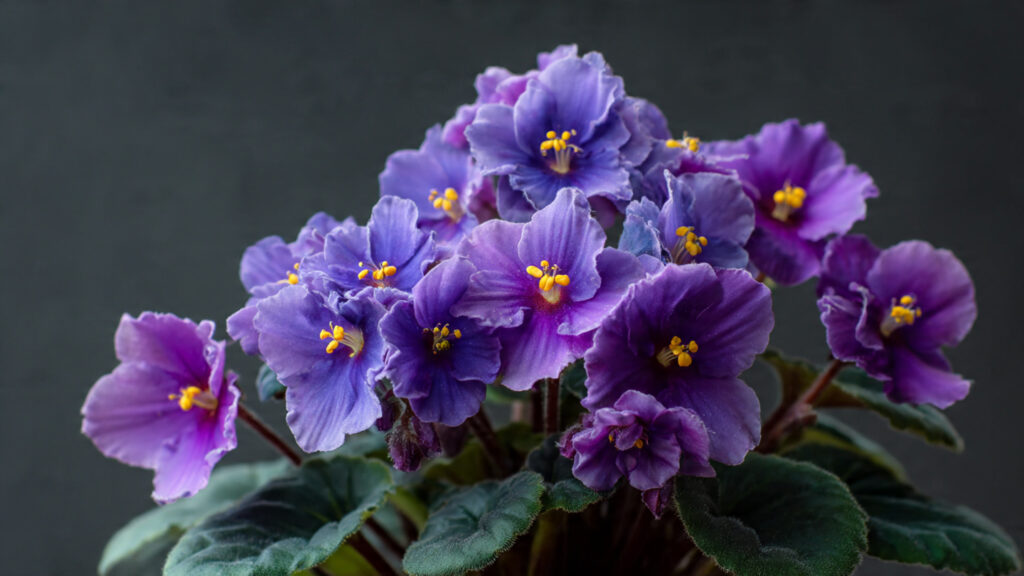
African violets (Saintpaulia ionantha) have captivated plant enthusiasts worldwide with their vibrant blooms, compact foliage, and ability to thrive indoors. While many gardeners are familiar with the traditional upright varieties, trailing African violets have emerged as a favorite for hanging baskets, shelves, and decorative planters, thanks to their cascading foliage and flowers. These trailing forms bring elegance and charm to any interior space.
Whether you are a beginner seeking to grow your first plant or an experienced collector looking to expand your indoor garden, trailing African violets offer both beauty and versatility. With the right care, attention, and understanding of their specific requirements, these plants can flourish and produce long-lasting blooms year-round. This comprehensive guide will provide detailed instructions for cultivating trailing African violets successfully, including tips for propagation, light, water, soil, fertilization, pruning, and troubleshooting common issues.
Understanding Trailing African Violets
Trailing African violets differ from standard upright varieties in several key ways:
- Growth habit: Their stems naturally trail downward, making them ideal for hanging baskets or elevated planters.
- Flowering: Blooms often appear along the trailing stems, creating a cascading effect.
- Foliage: Leaves are usually slightly larger and softer, with a velvety texture.
- Care requirements: While similar to upright varieties, trailing forms may require slightly more attention to light, watering, and pruning to maintain health and shape.
Understanding these differences helps gardeners tailor care routines specifically for trailing African violets.
Choosing the Right Variety
Selecting the appropriate variety sets the foundation for a thriving plant. Popular trailing African violet varieties include:
- ‘Purple Star’ – Produces deep purple flowers with a cascading habit.
- ‘Rosette Cascade’ – Features pale pink blooms and dense trailing foliage.
- ‘Optimara EverGrace’ – Compact and hardy, with long-lasting blooms.
- ‘Rhapsodie’ – Vibrant colors and trailing stems perfect for baskets.
Beginners may prefer hardy, disease-resistant varieties, while experts may experiment with rarer cultivars for unique colors or bloom patterns.
Step 1: Selecting Containers
Trailing African violets thrive in containers that allow proper drainage and support cascading growth:
- Hanging baskets: Ideal for showcasing trailing stems and blooms.
- Shallow pots: Promote root health and prevent overwatering.
- Plastic or ceramic pots: Lightweight options work best for hanging arrangements.
Ensure that the container has adequate drainage holes, as trailing African violets are particularly sensitive to waterlogged roots, which can lead to rot.
Step 2: Preparing the Soil
African violets require a well-draining, lightweight potting mix:
- Recommended mix: Combine peat moss, vermiculite, and perlite in equal parts.
- Avoid garden soil: Heavy soil can suffocate roots and retain too much moisture.
- Optional amendments: Adding a small amount of orchid bark can improve aeration for trailing forms.
Proper soil preparation provides the foundation for strong root development and healthy foliage.
Step 3: Providing Adequate Light
Light is one of the most critical factors in growing African violets:
- Indirect sunlight: Place plants near east- or north-facing windows.
- Artificial light: Fluorescent or LED grow lights can supplement natural light, especially in low-light interiors. Keep lights 12–15 inches above the plant for 12–14 hours per day.
- Avoid direct sunlight: Intense sunlight can scorch leaves and cause leaf bleaching.
Trailing forms often require slightly more light than upright types to maintain bloom production along the stems.
Step 4: Watering Correctly
Watering is crucial and requires careful attention for trailing African violets:
- Bottom watering: Fill a saucer under the pot and allow roots to absorb water. Avoid wetting leaves directly.
- Water temperature: Use room-temperature water to prevent shock.
- Frequency: Water when the top 1 inch of soil feels dry. Overwatering can cause root rot; underwatering can stunt growth and reduce blooms.
Proper watering promotes healthy leaves and encourages flowering along trailing stems.
Step 5: Fertilization for Continuous Bloom
African violets are moderate feeders and respond well to regular, balanced fertilization:
➡️ How to Grow Malabar Spinach from Cuttings for Fast, Easy Greens
➡️ How to Grow Super Delicious Cabbage at Home Without a Garden
➡️ How to Grow Bean Sprouts at Home in Plastic Bottles Easily (Step‑by‑Step Guide)
➡️ Why is Your Lemon Tree Blooming in the Heart of Winter?
➡️ Why Should Your Garden Have a Dedicated Pollinator Highway?
➡️ Why Do Your Fruit Trees Need a Winter Wash to Thrive in Spring?
➡️ How Can Rice Water Transform Your Fruits into Sweeter Delights?
➡️ Jumpstart Your Winter Garden: Seed Starting Under Lights
- Use African violet-specific fertilizer or a balanced 14-12-14 NPK solution.
- Frequency: Feed every 4–6 weeks for potted plants; more frequently in active growth periods if using a diluted liquid fertilizer.
- Avoid over-fertilization: Excess nitrogen promotes foliage growth at the expense of blooms.
Balanced nutrition supports both leafy growth and cascading flowers along trailing stems.
Step 6: Pruning and Pinching
Maintaining the shape and encouraging bushy growth in trailing African violets requires strategic pruning:
- Pinch back stems: Regularly trim the tips to promote branching and fuller foliage.
- Remove dead leaves and spent flowers: Encourages continuous blooming and reduces disease risk.
- Shape trailing stems: Guide stems along baskets or containers to create an elegant, cascading effect.
Pruning also prevents legginess, a common issue with trailing varieties.
Step 7: Propagation Techniques
Propagation allows you to multiply your trailing African violets efficiently:
Leaf Cuttings
- Choose healthy, mature leaves.
- Insert the leaf petiole into moist, well-draining soil or a rooting medium.
- Cover with a plastic dome or bag to maintain humidity.
- Roots and small plantlets typically develop within 4–6 weeks.
Division
- Carefully separate established plants with multiple crowns.
- Replant each crown in individual containers with fresh soil.
- Water gently and maintain indirect light until established.
Propagation enables you to expand your collection or share plants with friends and family.
Step 8: Pest and Disease Management
Trailing African violets are generally hardy, but pests and diseases can affect growth:
- Pests: Mealybugs, spider mites, and aphids may appear. Treat with insecticidal soap or neem oil.
- Fungal issues: Overwatering or poor airflow can lead to root rot or powdery mildew. Maintain proper drainage and avoid wetting leaves.
- Leaf spotting: Remove affected leaves and improve air circulation to prevent spread.
Early intervention prevents minor issues from turning into major problems.
Step 9: Maintaining Humidity
African violets prefer moderate humidity levels:
- Ideal range: 50–70% relative humidity.
- Indoor adjustments: Place trays of water near plants or use a humidifier if air is too dry.
- Avoid misting: Direct water on leaves can encourage fungal infections.
Consistent humidity promotes vibrant foliage and continuous flowering along trailing stems.
Step 10: Seasonal Care
Trailing African violets thrive year-round with some seasonal adjustments:
- Winter: Reduce watering slightly and provide supplemental light if daylight is limited.
- Summer: Maintain consistent moisture and consider partial shading during extreme heat.
- Re-potting: Every 12–18 months, repot to refresh soil and encourage healthy root growth.
Seasonal care ensures long-term health and sustained bloom production.
Advanced Tips for Experts
Experienced growers can optimize trailing African violet growth with these strategies:
- Grafting rare varieties: Combines desirable flower colors with vigorous growth habits.
- Using bloom stimulators: Phosphorus-rich fertilizers promote more abundant flowers along stems.
- Training stems: Guide trailing stems over supports or decorative structures to create unique arrangements.
- Controlled environment: Maintain consistent temperature (65–75°F / 18–24°C) and humidity to maximize bloom duration.
These advanced techniques allow expert growers to push the beauty and performance of their plants even further.
Benefits of Trailing African Violets
Trailing African violets offer numerous advantages over upright varieties:
- Decorative appeal: Cascading blooms create stunning visual effects in hanging baskets or planters.
- Space-saving: Perfect for vertical gardening or small apartments.
- Long-lasting flowers: With proper care, blooms can persist throughout the year.
- Multipurpose: Leaves can be propagated to grow additional plants.
- Indoor air quality: Like other houseplants, African violets help purify indoor air.
Whether for aesthetics, personal enjoyment, or collection expansion, trailing African violets add beauty and value to any indoor garden.
Final Thoughts
Successfully cultivating trailing African violet varieties requires attention to light, water, soil, nutrients, pruning, and propagation. While beginners may start with simpler varieties and basic care routines, experts can refine techniques to achieve extraordinary cascading blooms.
With the right container, well-draining soil, controlled watering, and regular pruning, trailing African violets can thrive indoors, providing vibrant color and lush foliage year-round. Their adaptability, combined with their decorative appeal, makes them a favorite for both novice gardeners and seasoned collectors.
By following these guidelines, anyone can master the art of growing trailing African violets, turning their indoor spaces into elegant, flowering sanctuaries. From compact baskets to elaborate displays, these plants reward consistent care with stunning blooms and graceful, trailing beauty.