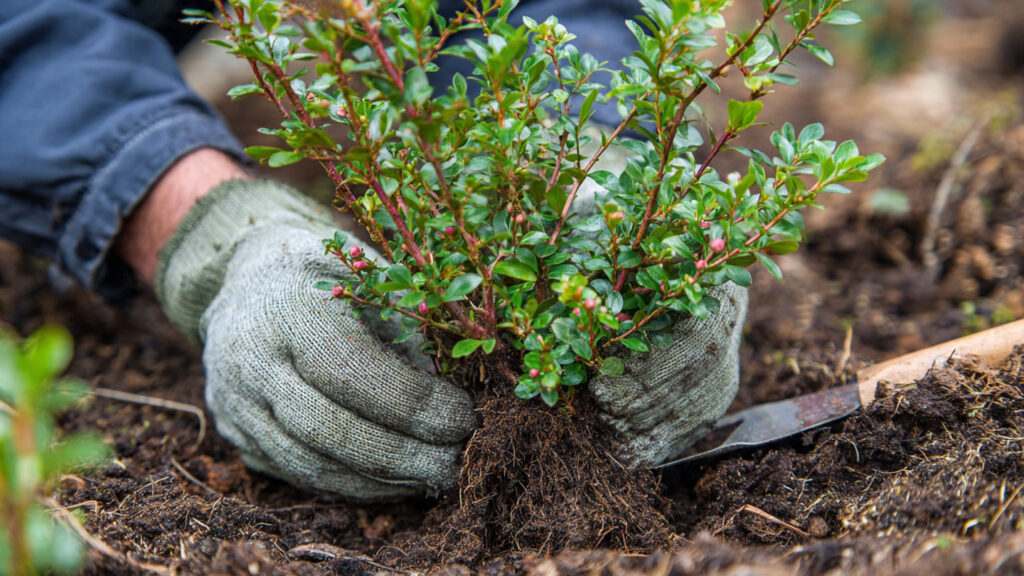
Lingonberries (Vaccinium vitis-idaea) are hardy, evergreen shrubs that produce vibrant red berries prized for jams, sauces, and fresh eating. While these plants are relatively low-maintenance, proper pruning is essential for ensuring healthy growth, maintaining a tidy shape, and maximizing berry production year after year. Pruning may seem intimidating to new gardeners, but with the right approach and timing, it can be straightforward and highly rewarding.
This guide provides essential tips for pruning lingonberry bushes, explaining why pruning matters, the best techniques, seasonal considerations, and practical strategies for achieving optimal growth and fruiting.
Why Pruning Lingonberries Is Important
Pruning is not just about keeping your bushes looking neat; it directly influences the plant’s health, longevity, and fruit production.
1. Encourages Healthy Growth
Removing old, weak, or damaged stems allows the plant to focus energy on developing strong, productive shoots. Lingonberries naturally produce new stems each year, and pruning helps prioritize the most vigorous branches.
2. Increases Berry Production
Lingonberries fruit on 2–3-year-old wood. By selectively pruning older branches, you encourage the growth of new shoots that will bear fruit in the coming seasons. Proper pruning ensures a balance between old and new wood, supporting consistent harvests.
3. Improves Air Circulation
Dense, unpruned bushes can trap moisture, leading to fungal diseases or pest infestations. Removing crowded branches improves airflow and reduces the risk of disease.
4. Maintains Shape and Accessibility
Lingonberry bushes can spread over time. Pruning helps maintain a manageable shape, making harvesting easier and preventing the plant from overtaking surrounding plants in a garden bed.
When to Prune Lingonberries
Timing is crucial for successful pruning. For most regions, the ideal pruning period is in late winter or early spring, just before new growth begins.
Advantages of Late Winter/Early Spring Pruning:
- Removes dead or damaged wood before growth starts
- Minimizes stress on the plant
- Encourages vigorous new shoots for the upcoming growing season
Light pruning can also be done after harvest to remove old fruiting stems and maintain shape. Avoid heavy pruning in late summer or fall, as this can stimulate new growth that may not harden before winter, increasing susceptibility to frost damage.
Tools Needed for Pruning
Using the right tools ensures clean cuts and reduces the risk of damaging your plants.
Essential Pruning Tools:
- Sharp hand pruners: For small stems and branches
- Loppers: For thicker branches that hand pruners cannot handle
- Gloves: To protect hands from scratches and any rough stems
- Disinfectant: To clean tools before and after pruning to prevent disease spread
Clean, sharp tools are essential for making precise cuts that heal quickly and minimize stress on the bush.
Pruning Techniques
Understanding proper pruning techniques is key to encouraging healthy growth and optimal fruit production.
1. Remove Dead or Diseased Wood
Start by cutting out any stems that are dead, diseased, or damaged. These branches can harbor pests or fungi and divert energy from healthy shoots. Cut them back to the base or to a healthy part of the stem.
2. Thin Crowded Branches
Lingonberries can become dense, restricting light and airflow. Selectively remove some older stems to open up the center of the bush. This allows sunlight to reach inner leaves and promotes better fruit development.
3. Trim Older Stems
Fruit production declines on older stems. Identify branches that are 4–5 years old and remove a few each year to encourage new growth. Avoid removing more than one-third of the plant at a time, as excessive pruning can stress the bush.
➡️ How to Grow Malabar Spinach from Cuttings for Fast, Easy Greens
➡️ How to Grow Super Delicious Cabbage at Home Without a Garden
➡️ How to Grow Bean Sprouts at Home in Plastic Bottles Easily (Step‑by‑Step Guide)
➡️ Why is Your Lemon Tree Blooming in the Heart of Winter?
➡️ Why Should Your Garden Have a Dedicated Pollinator Highway?
➡️ Why Do Your Fruit Trees Need a Winter Wash to Thrive in Spring?
➡️ How Can Rice Water Transform Your Fruits into Sweeter Delights?
➡️ Jumpstart Your Winter Garden: Seed Starting Under Lights
4. Shape the Bush
After removing dead or crowded branches, lightly trim the outer stems to maintain a tidy, compact shape. Aim for a natural, rounded form rather than a rigid, artificial look.
5. Remove Suckers if Necessary
Lingonberries can produce suckers at the base. While some can be left to expand the bush, excessive suckering can divert energy from fruit production. Thin them as needed to maintain focus on productive stems.
Step-by-Step Pruning Guide
- Inspect the Bush: Begin by assessing the overall health, identifying dead, diseased, or overly crowded branches.
- Remove Damaged Wood: Cut out any stems that are broken, dry, or diseased.
- Thin Dense Areas: Identify crowded branches and remove 1–2 of the oldest stems in each dense area to improve air circulation.
- Trim Older Stems: Focus on stems older than 3–4 years, pruning them near the base to encourage new growth.
- Shape the Bush: Lightly trim outer stems to maintain a balanced, rounded shape.
- Clean Up: Remove all cut material from around the plant to reduce disease risk.
By following these steps, you ensure a healthy, productive lingonberry bush with minimal stress.
Post-Pruning Care
Pruning alone isn’t enough to guarantee optimal growth; proper aftercare is essential.
1. Mulching
Apply a layer of mulch around the base of the bush to retain moisture, regulate soil temperature, and suppress weeds. Organic materials like pine needles or shredded bark work well and add slight acidity to the soil, which lingonberries prefer.
2. Fertilization
After pruning, apply a balanced, acidic fertilizer to support new growth. Nitrogen-rich fertilizers encourage leafy development, while phosphorus and potassium promote flowering and fruiting.
3. Watering
Ensure the soil remains evenly moist, particularly as new shoots emerge. Avoid waterlogging, as lingonberries prefer slightly acidic, well-draining soil.
4. Pest Monitoring
Pruned plants are more exposed, so inspect leaves and stems for pests such as aphids, mites, or fungal infections. Early detection allows for prompt treatment before infestations spread.
Common Mistakes to Avoid
Even experienced gardeners can make errors when pruning lingonberries.
1. Pruning at the Wrong Time
Pruning in late summer or fall can stimulate new growth that may not survive winter. Stick to late winter or early spring for best results.
2. Over-Pruning
Removing too much old wood at once can stress the plant and reduce fruit production. Prune gradually, removing no more than one-third of the bush annually.
3. Ignoring Dead or Crowded Branches
Failing to thin and remove old stems can reduce airflow, increase disease risk, and decrease berry yield.
4. Using Dull or Dirty Tools
Blunt pruners can crush stems instead of cutting them cleanly, while dirty tools can spread disease. Always disinfect tools and keep them sharp.
Encouraging Fruit Production Through Pruning
Pruning directly influences berry yield. By maintaining a balance between old and new stems, you ensure that your lingonberry bush produces both healthy foliage and abundant fruit.
Tips for maximizing berry production:
- Leave a mix of 1–3-year-old stems for current fruiting
- Remove older, unproductive wood to make room for new shoots
- Thin dense areas to allow sunlight to reach flower buds
- Harvest berries regularly to encourage further flowering
Pruning isn’t just maintenance—it’s a proactive step in optimizing fruit quality and quantity.
Long-Term Benefits of Proper Pruning
Well-pruned lingonberry bushes are:
- Healthier, with reduced disease risk
- More productive, yielding larger and more flavorful berries
- Easier to manage, with tidy shapes and better airflow
- Longer-lived, as pruning prevents old, weak wood from overwhelming the plant
Over time, regular pruning becomes a simple routine that pays off with consistently vibrant bushes and dependable harvests.
Seasonal Considerations
Understanding seasonal growth patterns helps determine pruning priorities:
- Late Winter/Early Spring: Major pruning for old, dead, or crowded branches
- Late Spring: Light pruning after flowering to shape the bush and remove damaged stems
- Summer: Harvesting and minimal trimming to encourage continued fruiting
- Fall: Avoid heavy pruning; remove only damaged or diseased branches
Aligning pruning with the plant’s natural growth cycle promotes optimal health and maximizes berry production.
Final Thoughts
Pruning lingonberry bushes is an essential practice for any gardener aiming for optimal growth and abundant fruit. By removing dead, damaged, and overcrowded stems, thinning old wood, and shaping the bush carefully, you encourage strong new growth, better airflow, and higher berry yields. Pairing proper pruning with adequate post-pruning care—such as mulching, fertilization, and water management—ensures that your lingonberry bushes remain healthy, productive, and attractive year after year.
With the right techniques and seasonal awareness, pruning becomes a simple, manageable task that rewards you with vibrant, evergreen bushes and bright, flavorful berries, making your home garden both beautiful and bountiful.