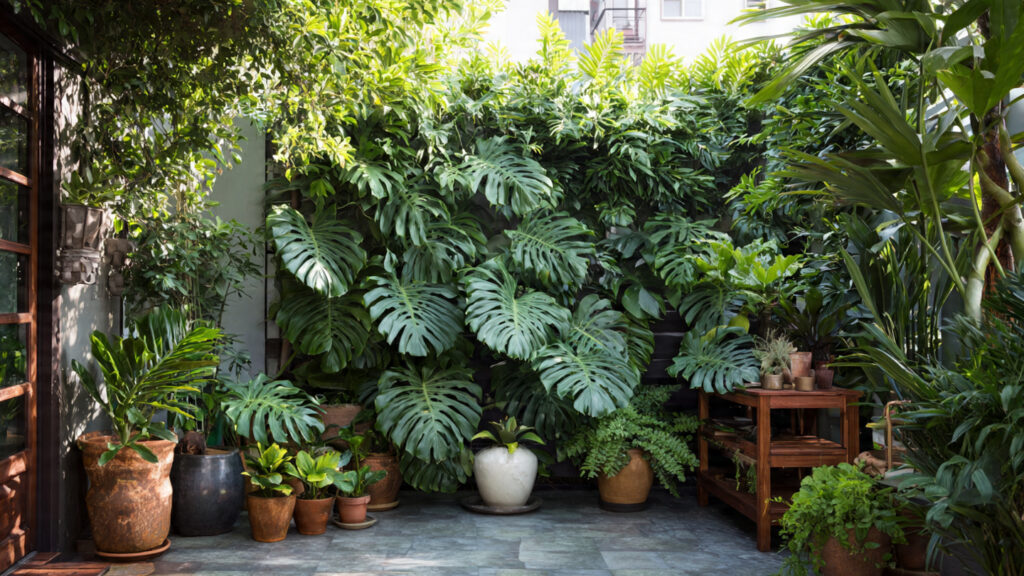
Few plants evoke the feeling of an exotic tropical paradise quite like the Monstera deliciosa. With its dramatic, glossy, fenestrated leaves and bold presence, Monstera instantly transforms any outdoor area into a lush, vibrant garden. Often called the “Swiss cheese plant” for its signature leaf perforations, Monstera is more than just a houseplant—it can become the centerpiece of your outdoor landscaping, providing height, texture, and that unmistakable tropical ambiance.
Creating a stunning Monstera-filled outdoor space requires more than just planting a few stems. From understanding its natural habitat to choosing the right varieties, soil preparation, care techniques, and creative design strategies, there are key methods to ensure your Monstera garden thrives and becomes a focal point of beauty year-round.
Understanding Monstera and Its Natural Habitat
Native to the tropical rainforests of Central and South America, Monstera thrives under filtered sunlight with high humidity and consistently moist soil. In the wild, Monstera grows as a climbing vine, often using trees for support. This growth habit allows it to reach impressive heights while producing large, iconic leaves that can span over two feet in mature specimens.
Understanding its natural habitat helps recreate optimal conditions in your outdoor garden:
- Light: Bright, indirect sunlight. Direct sunlight can scorch leaves, while deep shade slows growth.
- Humidity: High humidity encourages large, glossy leaves and strong growth.
- Soil: Well-draining, nutrient-rich soil supports healthy roots and prevents waterlogging.
By mimicking these conditions, you can create an environment where Monstera flourishes outdoors.
Choosing the Right Monstera Varieties
While the classic Monstera deliciosa is popular, several other varieties bring unique aesthetics to your garden:
- Monstera deliciosa: The iconic “Swiss cheese plant” with large perforated leaves.
- Monstera adansonii: Smaller leaves with multiple holes, ideal for accenting spaces or trellises.
- Monstera Thai Constellation: Variegated leaves with creamy-white marbling for added visual interest.
- Monstera borsigiana: A more compact variety suitable for smaller outdoor areas.
Selecting the right variety depends on your space, climate, and design goals. Combining multiple types can create a layered, textured tropical effect.
Preparing Your Outdoor Space
Proper preparation ensures that your Monstera plants establish quickly and thrive long-term.
Soil Preparation:
- Choose a spot with well-draining soil.
- Amend the soil with compost, leaf mold, or coconut coir to improve fertility and moisture retention.
- Slightly acidic to neutral pH (6.0–7.0) is ideal.
Space and Layout:
- Allow enough room for vertical growth. Monstera can climb trellises or trees.
- Consider airflow to reduce the risk of fungal infections.
- Group plants strategically to create focal points or natural tropical screens.
By preparing the soil and selecting strategic planting locations, you create a foundation for lush, thriving growth.
Planting Monstera Outdoors
When planting Monstera outdoors, timing and technique are critical:
- Timing: Plant during spring or early summer when temperatures are warm, avoiding frost periods.
- Hole Preparation: Dig a hole twice the size of the root ball.
- Planting Depth: Position the plant at the same depth it was in its nursery container.
- Support: For climbing varieties, place a moss pole, trellis, or nearby tree to guide vertical growth.
- Watering: Water immediately after planting to settle the soil and establish roots.
Proper planting sets the stage for rapid growth and healthy development.
Watering Techniques for Thriving Monstera
Monstera thrives with consistent moisture but is sensitive to waterlogged roots.
Watering Tips:
- Water deeply once or twice a week, depending on temperature and soil conditions.
- Ensure good drainage to prevent root rot.
- During hot or dry periods, increase frequency and consider mulching to retain moisture.
- Morning watering is ideal, allowing foliage to dry before evening.
Consistent watering encourages lush leaf growth and prevents yellowing or wilting.
Fertilization for Maximum Growth
To achieve a tropical garden look, Monstera requires balanced nutrition:
➡️ How to Grow Malabar Spinach from Cuttings for Fast, Easy Greens
➡️ How to Grow Super Delicious Cabbage at Home Without a Garden
➡️ How to Grow Bean Sprouts at Home in Plastic Bottles Easily (Step‑by‑Step Guide)
➡️ Why is Your Lemon Tree Blooming in the Heart of Winter?
➡️ Why Should Your Garden Have a Dedicated Pollinator Highway?
➡️ Why Do Your Fruit Trees Need a Winter Wash to Thrive in Spring?
➡️ How Can Rice Water Transform Your Fruits into Sweeter Delights?
➡️ Jumpstart Your Winter Garden: Seed Starting Under Lights
- Spring & Summer: Feed every 4–6 weeks with a balanced liquid fertilizer or slow-release formula.
- Autumn & Winter: Reduce feeding, as growth slows naturally.
- Micronutrients: Include magnesium and calcium for leaf development and structural strength.
Healthy, well-fed Monstera plants produce large, vibrant leaves that dominate any outdoor space.
Supporting Vertical Growth
Many Monstera varieties are natural climbers. Supporting vertical growth enhances the tropical aesthetic:
- Moss Poles: Provide support while maintaining humidity around roots.
- Trellises: Ideal for creating walls of foliage or focal points.
- Trees: Use nearby trees as natural support for vining Monstera.
Vertical growth not only saves space but also mimics the plant’s natural rainforest habit, producing dramatic visual impact.
Pruning and Maintenance
Regular pruning keeps your Monstera healthy, encourages bushier growth, and removes dead or yellow leaves:
- Remove damaged or dying leaves promptly.
- Trim overly long aerial roots if necessary, or guide them to the soil.
- Shape plants to maintain balance and design structure in your outdoor space.
Proper maintenance ensures your Monstera remains an elegant, lush focal point rather than an unruly vine.
Enhancing Outdoor Tropical Aesthetics
Monstera works well with complementary tropical plants:
- Philodendrons: Pair well for layered foliage effects.
- Bird of Paradise: Adds height and vibrant flowers.
- Ferns: Provide soft, feathery textures under Monstera canopies.
- Caladiums and Elephant Ear: Introduce color and dramatic leaf shapes.
Consider using Monstera to create privacy screens, shaded garden corners, or vertical green walls. Combining various textures and heights enhances the overall tropical garden experience.
Pest and Disease Management
While Monstera is generally hardy outdoors, monitoring for pests and diseases ensures long-term health:
Common Pests:
- Spider mites, aphids, and mealybugs. Treat with insecticidal soap or neem oil.
Diseases:
- Root rot from overwatering. Ensure proper drainage.
- Fungal leaf spots. Improve airflow and avoid wetting foliage.
Early detection and preventive care maintain a vibrant, healthy garden.
Seasonal Care Tips
To maintain continuous lush growth:
- Spring: Fertilize and prune to encourage new leaves.
- Summer: Monitor watering; support climbing stems.
- Autumn: Reduce feeding, clean up fallen leaves.
- Winter: Protect from frost, use mulching or move container Monstera indoors.
Seasonal attention ensures your outdoor Monstera garden remains tropical and striking throughout the year.
Container Options for Smaller Spaces
For patios, balconies, or limited outdoor areas, container-grown Monstera can provide a tropical feel without full garden space:
- Use large containers with good drainage.
- Provide vertical support with trellises or moss poles.
- Ensure adequate sunlight, ideally partial sun or dappled light.
- Rotate containers occasionally for even growth.
Container Monstera is perfect for urban gardens or terrace transformations.
The Transformative Effect of Monstera
A lush Monstera garden brings more than just visual appeal:
- Creates a serene, tropical retreat in your outdoor space.
- Provides shade and privacy when trained as screens or climbers.
- Introduces vibrant textures and layers, enhancing the overall garden design.
- Can be combined with flowers and foliage plants for multi-season interest.
By using Monstera strategically, even small outdoor areas can feel like a tropical paradise.
Final Thoughts
Transforming your outdoor space with Monstera plants is an accessible way to achieve a stunning tropical garden look. By selecting the right varieties, preparing the soil, providing consistent care, supporting vertical growth, and maintaining healthy foliage, you can create a lush, vibrant, and visually striking garden that impresses year-round.
Whether planted in containers, raised beds, or directly in the ground, Monstera adds drama, elegance, and a tropical flair to any garden design. With proper attention to watering, fertilization, pruning, and pest management, your Monstera garden becomes a lush sanctuary, inviting relaxation and enjoyment while providing the unmistakable beauty of the tropics.
Even a modest outdoor space can be transformed into a tropical oasis with thoughtfully placed Monstera plants, complementary tropical foliage, and strategic design techniques. With these methods, you can enjoy the luxury of a lush, tropical garden that looks professionally designed and feels like an exotic escape—all at home.