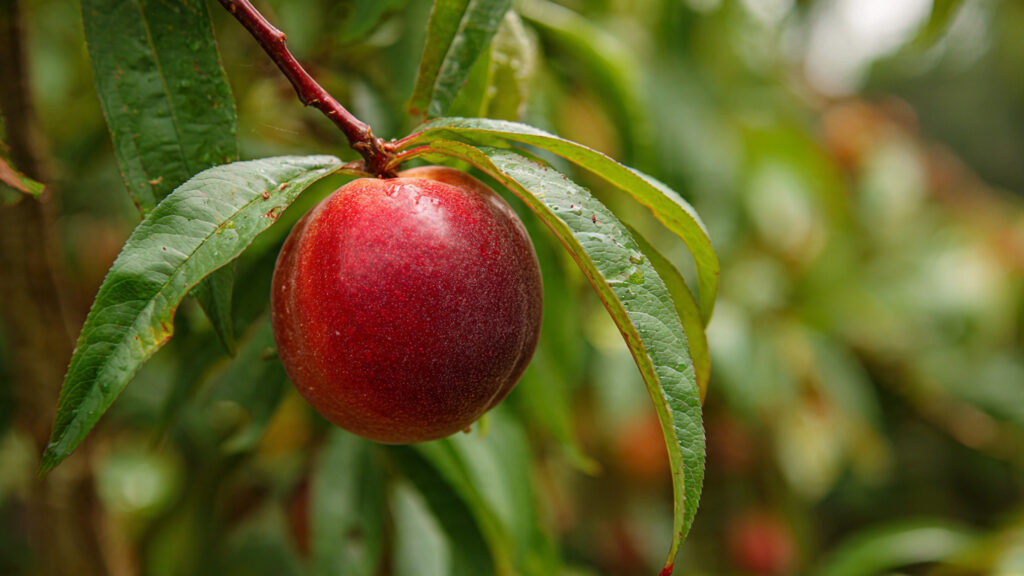
Nectarines (Prunus persica var. nucipersica) are succulent stone fruits renowned for their smooth skin, sweet aroma, and juicy flesh. While traditionally associated with warmer climates, Canadian gardeners can enjoy these flavorful fruits by selecting early-ripening varieties and employing proper cultivation techniques tailored to the northern environment.
Growing nectarines successfully in Canada requires careful attention to variety selection, site preparation, frost protection, pruning, and disease management. This guide provides a comprehensive approach to help gardeners achieve a bountiful harvest of early nectarines even in regions with shorter growing seasons and cooler climates.
Choosing the Right Early Nectarine Varieties for Canada
Selecting the correct variety is the first step toward a successful nectarine harvest in Canada. Early-ripening cultivars are particularly suited for the shorter northern growing season because they mature before fall frosts and cooler temperatures can affect fruit quality.
Recommended Early Varieties
- ‘Nectar Babe’ – Compact, self-fertile, and ripens early with sweet, firm fruits. Ideal for backyard gardens.
- ‘Hardired’ – Cold-hardy variety with late bloom and reliable fruit set.
- ‘Red Gold’ – Produces medium-sized fruits with excellent flavor; matures early in the season.
- ‘Flavortop’ – Early-maturing, with a balanced sweetness and firm texture.
When choosing varieties, consider chill hours (the number of hours below 45°F/7°C that the tree needs to break dormancy). Many early varieties have low to moderate chill requirements, making them suitable for Canada’s cooler regions.
Selecting an Ideal Site
Canadian nectarines thrive in carefully selected locations that minimize environmental stress:
Sunlight
- Full sun exposure is critical; aim for at least 6–8 hours of direct sunlight daily.
- South-facing slopes or areas protected from harsh northern winds are optimal.
Soil
- Nectarines prefer well-draining loamy soil with a pH of 6.0–7.0.
- Avoid waterlogged areas, as standing water can cause root rot.
- Incorporate organic matter such as compost or aged manure to improve fertility and soil structure.
Microclimates
- Plant on slight slopes to reduce frost risk; cold air sinks, so elevated positions help protect buds.
- Avoid frost pockets in low-lying areas, which can damage flowers and reduce yield.
Careful site selection maximizes growth potential and reduces the need for intensive frost protection.
Planting and Establishment
Timing
- In Canada, plant nectarine trees in early spring after the last frost.
- Bare-root trees are best planted while dormant, typically between late March and early April.
Planting Technique
- Dig a hole twice as wide as the root system and slightly deeper than the root ball.
- Loosen the soil at the bottom to encourage root spread.
- Place the tree, ensuring the graft union is 2–3 inches above soil level.
- Backfill with nutrient-rich soil and water thoroughly.
- Mulch around the base to retain moisture and regulate soil temperature.
Proper planting ensures strong root establishment, which is essential for early fruiting and long-term tree health.
Frost Protection Strategies
Spring frost is the most significant threat to early nectarines in Canada, as blossoms are highly sensitive:
Protective Measures
- Row Covers or Frost Cloths: Cover young trees during cold nights to trap heat.
- Wind Machines or Fans: Circulate warm air in orchards to reduce frost damage.
- Watering or Overhead Sprays: Light frost protection by creating a layer of water that freezes and releases latent heat.
- Planting on Slopes: Elevation allows cold air to drain away, reducing bud loss.
Monitoring local weather forecasts and protecting flowers during critical bloom periods can prevent significant crop loss.
Pruning and Training Techniques
Pruning is essential for maintaining tree health, maximizing sunlight exposure, and supporting early fruit production.
Training Systems
- Open Center (Vase Shape): Ideal for Canadian climates, this structure allows sunlight to penetrate the canopy, reduces frost pockets, and promotes airflow.
- Central Leader: Useful for larger orchards but may require additional winter protection.
Annual Pruning
- Remove dead, diseased, or crossing branches during dormancy.
- Thin crowded shoots to prevent overcrowding and increase sunlight penetration.
- Focus on creating a balanced framework that supports flower bud formation without sacrificing leaf growth.
Pruning early in the season encourages robust flowering and fruit set, leading to a bountiful harvest.
Pollination Considerations
Most early nectarine varieties are self-fertile, but pollination can be enhanced by:
- Planting compatible varieties nearby to increase fruit set.
- Encouraging pollinators such as bees and butterflies.
- Avoiding pesticide use during bloom to protect pollinator activity.
Effective pollination ensures higher yields and better fruit quality.
Fertilization and Soil Nutrition
Proper nutrition is vital for early nectarine varieties to thrive in Canada’s shorter growing season:
Pre-Planting Preparation
- Conduct a soil test to determine nutrient levels.
- Incorporate compost or well-rotted manure for long-term fertility.
Seasonal Fertilization
- Apply a balanced, slow-release fertilizer in early spring before bud break.
- Provide additional nitrogen in small doses during vegetative growth to support leaves and branches.
- Use potassium-rich fertilizers as flowering begins to encourage fruit development.
Nutrient management tailored to the plant’s growth stages improves fruit size, sweetness, and overall yield.
➡️ How to Grow Malabar Spinach from Cuttings for Fast, Easy Greens
➡️ How to Grow Super Delicious Cabbage at Home Without a Garden
➡️ How to Grow Bean Sprouts at Home in Plastic Bottles Easily (Step‑by‑Step Guide)
➡️ Why is Your Lemon Tree Blooming in the Heart of Winter?
➡️ Why Should Your Garden Have a Dedicated Pollinator Highway?
➡️ Why Do Your Fruit Trees Need a Winter Wash to Thrive in Spring?
➡️ How Can Rice Water Transform Your Fruits into Sweeter Delights?
➡️ Jumpstart Your Winter Garden: Seed Starting Under Lights
Watering Strategies
Consistent moisture supports healthy growth and fruiting:
- Water deeply once or twice per week, depending on rainfall.
- Mulch around the base to retain soil moisture and moderate temperature.
- Avoid overwatering, which can lead to root rot and nutrient leaching.
Proper hydration supports flower bud development and prevents stress-induced flower drop.
Pest and Disease Management
Northern climates reduce some pest pressure, but nectarines are still vulnerable:
Common Pests
- Aphids
- Leafhoppers
- Plum curculio
Common Diseases
- Peach leaf curl
- Brown rot
- Powdery mildew
Preventive Practices
- Apply dormant fungicides in winter to prevent fungal infections.
- Maintain good airflow through pruning to reduce humidity within the canopy.
- Inspect trees regularly and remove affected tissues.
- Encourage beneficial insects like ladybugs and lacewings for pest control.
Managing pests and diseases proactively ensures strong early fruit development and minimizes crop loss.
Harvesting Early Nectarines
Timing the harvest is critical to ensure peak flavor and texture:
- Fruits are ready when fully colored and slightly soft to gentle pressure.
- Harvest early in the morning when temperatures are cooler.
- Pick fruits regularly to encourage continuous production and prevent overripening.
Proper harvesting techniques protect fruit integrity and enhance storage life.
Extending the Growing Season
Canadian gardeners can implement additional techniques to maximize early nectarine production:
- Row Covers and Hoop Houses: Protect young trees and extend flowering and fruiting periods.
- Mulching: Conserves soil warmth and moisture.
- Reflective Surfaces: Increase sunlight exposure for faster fruit ripening.
- Cold-Tolerant Rootstocks: Some rootstocks improve tree resilience in northern climates.
These methods compensate for shorter summers, ensuring that early nectarines reach full maturity.
Companion Planting
Companion planting can support nectarine growth by improving soil health, attracting pollinators, and repelling pests:
- Marigolds and Nasturtiums: Help deter common pests.
- Legumes: Fix nitrogen in the soil, supporting healthy tree growth.
- Herbs like Basil or Chives: Can repel insects while improving pollinator activity.
Strategic companion planting creates a balanced micro-ecosystem, reducing stress and supporting abundant harvests.
Final Thoughts
Successfully growing early nectarine varieties in Canada is achievable with careful planning, proper variety selection, and attentive cultivation practices. Key strategies include:
- Choosing cold-hardy, early-ripening varieties suited to your region
- Planting in well-draining, sun-exposed sites with good air circulation
- Implementing frost protection measures during bloom
- Pruning strategically to promote sunlight penetration and flower bud formation
- Managing pests, diseases, and nutrients for optimal growth
By following these guidelines, Canadian gardeners can enjoy a bountiful harvest of early nectarines with sweet, juicy fruit. With patience, consistent care, and attention to the unique challenges of northern climates, your backyard orchard can thrive, providing delicious fruit year after year.