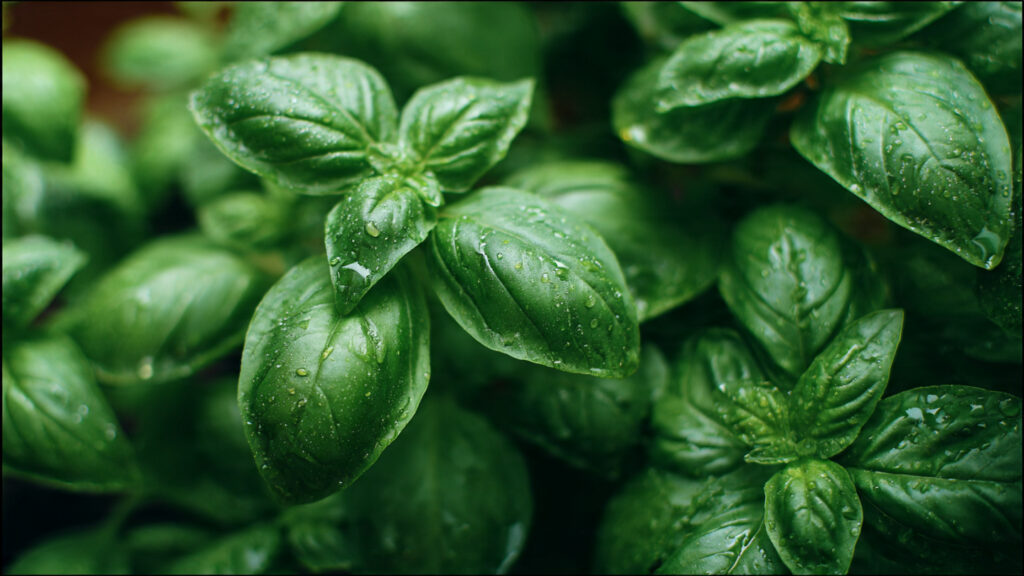
Sweet basil (Ocimum basilicum) is one of the most beloved herbs for home gardeners and culinary enthusiasts alike. Its aromatic leaves elevate everything from fresh salads to sauces like pesto, and having a steady supply at home ensures peak flavor and freshness. While basil is easy to grow, many gardeners struggle to achieve rapid and abundant leaf growth. Fortunately, with the right techniques, you can accelerate the development of lush, vibrant basil plants that thrive throughout the growing season.
This comprehensive guide explores effective strategies for growing sweet basil quickly and abundantly, from soil preparation and lighting to pruning, fertilization, watering, and pest management.
Understanding Sweet Basil Growth
Before diving into techniques, it’s essential to understand how basil grows:
- Growth Habit: Sweet basil is an annual herb with a bushy growth habit. It thrives when it can focus its energy on producing leaves rather than flowers.
- Leaf Production vs. Flowering: Once basil begins flowering, leaf growth slows, and the flavor may become slightly bitter. Preventing flowering is key to accelerated leaf growth.
- Environmental Sensitivity: Basil is sensitive to temperature, light, and water. Stressful conditions can slow growth and reduce leaf size.
With this understanding, gardeners can create the optimal environment for rapid leaf production.
Choosing the Right Basil Variety
Not all basil varieties grow at the same rate or produce leaves equally well. Some varieties are better suited for accelerated growth:
- Genovese Basil: Classic Italian variety, large leaves, slow to bolt, ideal for continuous leaf harvesting.
- Lettuce Leaf Basil: Produces large, tender leaves and grows quickly.
- Nufar Basil: A slow-bolting variety that provides extended leaf harvest.
- Greek Basil: Compact plant, fast-growing, perfect for container gardens.
Selecting the right variety ensures you start with a plant predisposed to rapid, leafy growth.
Soil Preparation for Fast Growth
Healthy, nutrient-rich soil is foundational for accelerating basil leaf production:
- Well-Draining Soil: Basil roots require air as much as water. Loamy soil enriched with organic matter ensures proper drainage.
- pH Levels: Sweet basil prefers slightly acidic to neutral soil (pH 6.0–7.0).
- Soil Enrichment: Incorporate compost, worm castings, or well-rotted manure before planting. This provides a slow-release source of essential nutrients that support leaf growth.
- Mulching: Applying a thin layer of mulch around the base keeps soil moist, reduces weeds, and moderates temperature.
Proper soil preparation accelerates root development, enabling the plant to absorb nutrients efficiently and produce leaves faster.
Seed Starting and Transplanting Techniques
Starting basil seeds correctly gives plants a head start for rapid growth:
- Indoor Seed Starting: Start seeds indoors 4–6 weeks before the last frost. Use seed-starting trays with light, well-draining soil. Keep soil consistently moist and maintain temperatures of 70–75°F (21–24°C).
- Transplanting: Transplant seedlings outdoors once danger of frost has passed. Harden off seedlings by gradually exposing them to outdoor conditions over 7–10 days.
- Direct Sowing: In regions with warm spring temperatures, seeds can be sown directly into prepared soil. Space plants 12–18 inches apart to allow ample room for leaf expansion.
Starting strong seedlings or carefully transplanting ensures faster initial growth and minimizes transplant shock.
Maximizing Sunlight Exposure
Sunlight is critical for photosynthesis, which fuels leaf production:
- Full Sun Requirement: Sweet basil thrives in 6–8 hours of direct sunlight per day.
- Indoor Gardens: Use grow lights if natural sunlight is insufficient. Position lights 6–12 inches above plants and provide 12–16 hours of light per day.
- Light Quality: Blue and red spectrum light promotes leaf growth and overall plant vigor.
Proper light ensures that basil produces lush, vibrant leaves rather than thin, leggy stems.
Fertilization Techniques
Nutrient management is key to accelerating leaf growth:
- Balanced Fertilizers: Apply a balanced fertilizer (e.g., 10-10-10) at planting to provide nitrogen, phosphorus, and potassium. Nitrogen is particularly important for leafy growth.
- Liquid Fertilizers: Use diluted compost tea or fish emulsion every 2–3 weeks to supply quick-absorbing nutrients.
- Organic Options: Seaweed extract or worm tea provides micronutrients that improve growth and plant resilience.
Regular, well-timed fertilization keeps basil in an active growth phase and encourages abundant leaf production.
Watering for Optimal Growth
Consistent, adequate watering is crucial for rapid leaf development:
➡️ How to Grow Malabar Spinach from Cuttings for Fast, Easy Greens
➡️ How to Grow Super Delicious Cabbage at Home Without a Garden
➡️ How to Grow Bean Sprouts at Home in Plastic Bottles Easily (Step‑by‑Step Guide)
➡️ Why is Your Lemon Tree Blooming in the Heart of Winter?
➡️ Why Should Your Garden Have a Dedicated Pollinator Highway?
➡️ Why Do Your Fruit Trees Need a Winter Wash to Thrive in Spring?
➡️ How Can Rice Water Transform Your Fruits into Sweeter Delights?
➡️ Jumpstart Your Winter Garden: Seed Starting Under Lights
- Even Moisture: Basil prefers soil that is evenly moist but not waterlogged. Overwatering can lead to root rot, while underwatering stresses the plant.
- Deep Watering: Water deeply once or twice a week rather than frequent shallow watering. This encourages strong root systems.
- Mulching: Mulch helps retain moisture, reduces evaporation, and moderates soil temperature.
Proper watering practices reduce stress and support faster, healthier leaf growth.
Pruning and Pinching Techniques
One of the most effective ways to accelerate basil leaf growth is by preventing flowering:
- Pinching Tips: Pinch off the top set of leaves once plants reach 6–8 inches tall. Remove the central stem just above a pair of lateral leaves.
- Flower Prevention: Regularly remove flower buds as soon as they appear to prevent energy diversion away from leaf growth.
- Continuous Harvesting: Harvest leaves from the top down. This stimulates branching and increases overall leaf production.
Consistent pruning and pinching create bushier plants with a higher density of leaves.
Companion Planting for Enhanced Growth
Companion plants can accelerate basil growth by improving microclimates and reducing pest pressure:
- Tomatoes: Provide partial shade during extreme heat while benefiting from basil’s pest-repellent properties.
- Peppers: Share similar sunlight and soil needs, creating a supportive environment.
- Marigolds or Nasturtiums: Help repel aphids and other pests that could stress basil.
By planting basil alongside compatible species, you reduce stress factors that could slow leaf development.
Managing Temperature and Stress
Environmental stress can slow basil growth or trigger flowering prematurely:
- Heat Management: In hot climates, provide afternoon shade or use shade cloth to prevent leaf burn and stress.
- Cold Protection: In cooler climates, cover plants during unexpected frost to prevent stunted growth.
- Wind Protection: Strong winds can damage stems and leaves. Plant basil near windbreaks or use physical barriers.
Maintaining a stable environment promotes vigorous leaf production and accelerates growth.
Pest and Disease Control
Healthy plants grow faster and produce more leaves. Managing pests and diseases is crucial:
Common Pests
- Aphids
- Whiteflies
- Spider mites
Common Diseases
- Downy mildew
- Fusarium wilt
- Leaf spot
Control Strategies
- Inspect plants regularly and remove affected leaves promptly.
- Encourage beneficial insects like ladybugs and lacewings.
- Use organic pesticides or neem oil as needed.
- Maintain spacing for airflow to reduce humidity-related diseases.
A pest-free and healthy plant focuses energy on producing leaves rather than defending itself.
Harvesting for Maximum Productivity
Frequent, strategic harvesting keeps basil in a growth state:
- Early and Regular Harvesting: Begin harvesting when plants are 6–8 inches tall.
- Top-Down Harvesting: Always pick from the top, which encourages lateral growth.
- Avoid Overharvesting: Leave at least one-third of the plant intact to maintain growth vigor.
Regular harvesting not only supplies fresh leaves but also accelerates the plant’s overall growth cycle.
Indoor Container Techniques
For gardeners growing basil indoors:
- Choose Containers with Drainage: Prevent root rot and water stress.
- Use High-Quality Potting Mix: Light, well-draining soil enriched with compost ensures rapid growth.
- Rotate Containers: Ensure even light exposure on all sides.
- Provide Adequate Airflow: Use fans to simulate outdoor breezes, strengthening stems and improving growth.
Indoor basil benefits from controlled conditions that support rapid, consistent leaf production.
Final Thoughts
Accelerating the growth of sweet basil leaves requires a holistic approach combining proper variety selection, soil preparation, sunlight management, watering, pruning, and pest control. Key strategies include:
- Selecting fast-growing or slow-bolting varieties
- Ensuring nutrient-rich, well-draining soil
- Maintaining consistent moisture and optimal light
- Pinching and pruning to prevent flowering
- Managing environmental stress and pests effectively
By applying these techniques, home gardeners can cultivate lush, aromatic basil plants that provide a continuous supply of fresh, flavorful leaves throughout the growing season. With attention to detail and consistent care, basil can thrive and flourish, transforming your home garden into a haven for culinary herbs.