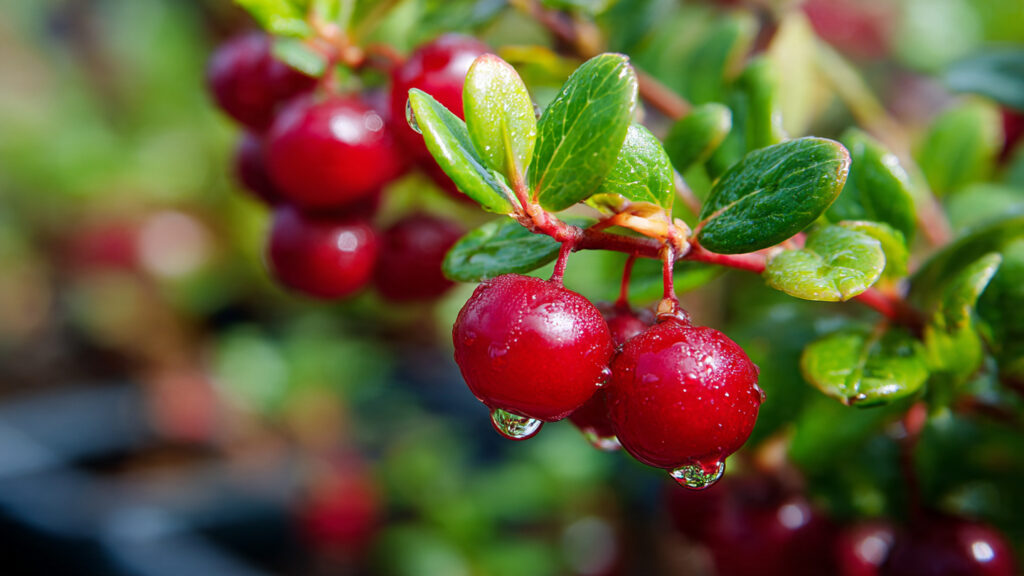
Lingonberries (Vaccinium vitis-idaea) are evergreen, low-growing shrubs prized for their vibrant red berries and glossy foliage. Native to the boreal forests and tundra regions of the Northern Hemisphere, these hardy plants thrive in acidic, well-draining soil and cooler climates. Beyond their aesthetic appeal and nutritional value, lingonberries are relatively easy to grow at home—especially when gardeners understand the best propagation techniques.
Propagation is essential for expanding your lingonberry collection, replacing aging plants, and ensuring continuous fruit production. In this comprehensive guide, we’ll explore the most efficient methods for propagating lingonberries, including seed propagation, stem cuttings, division, and layering, while offering practical tips for success in home gardens.
Why Propagate Lingonberries?
Propagation serves multiple purposes in home gardening:
- Increase Plant Numbers: Expand your garden with new lingonberry bushes without purchasing additional plants.
- Maintain Plant Health: Replace old, unproductive bushes to keep your garden thriving.
- Ensure Genetic Consistency: Some propagation methods allow you to clone your favorite plants with desirable traits, such as berry size, flavor, or growth habit.
- Cost-Effective: Propagating at home reduces the need to buy new plants each season.
By mastering propagation, gardeners can cultivate a thriving, long-lasting lingonberry patch that provides berries year after year.
Understanding Lingonberry Growth Habits
Before diving into propagation techniques, it’s important to understand lingonberry growth habits:
- Lingonberries produce shallow but extensive root systems.
- They spread slowly via underground rhizomes in addition to flowering and fruiting stems.
- Fruit production occurs primarily on 2–3-year-old stems, emphasizing the importance of healthy, new growth in propagation.
This knowledge informs how and when to propagate for maximum success.
Method 1: Propagation by Seeds
Propagating lingonberries from seeds is one of the most traditional methods, although it requires patience.
Steps for Seed Propagation:
- Harvest Seeds: Collect seeds from ripe, healthy berries.
- Clean Seeds: Remove pulp and rinse thoroughly to prevent mold.
- Stratification: Lingonberry seeds need cold stratification to germinate. Place seeds in a moist medium, such as sand or peat moss, in the refrigerator for 2–3 months.
- Sowing: Plant stratified seeds in shallow trays filled with acidic potting mix (pH 4.5–5.5). Lightly cover seeds with a thin layer of soil.
- Care: Keep the soil consistently moist and place in a cool, bright location. Avoid direct sunlight, which may dry out seeds.
Advantages:
- Produces new plants with genetic variation, potentially creating unique traits.
- Ideal for expanding genetic diversity in home gardens.
Limitations:
- Slow germination; seeds may take weeks or months to sprout.
- Seedlings may not exactly match the parent plant’s characteristics.
Seed propagation is best suited for gardeners who enjoy experimenting with new plant variations and don’t mind waiting for slower growth.
Method 2: Propagation by Stem Cuttings
Stem cuttings are a highly efficient method for home gardeners seeking reliable, true-to-parent plants.
Steps for Stem Cutting Propagation:
- Select Healthy Stems: Choose semi-woody stems from the current or previous season, free of disease or damage.
- Cutting Preparation: Take 4–6 inch cuttings and remove leaves from the lower half.
- Rooting Medium: Insert cuttings into a well-draining medium, such as a mix of peat moss and perlite.
- Humidity and Light: Keep cuttings moist and cover with a plastic dome or bag to maintain humidity. Place in indirect sunlight.
- Root Development: Roots typically develop in 4–6 weeks. Gently tug cuttings to check for resistance, indicating successful rooting.
- Transplanting: Once rooted, transplant into individual pots with acidic soil, gradually acclimating to outdoor conditions if desired.
Advantages:
- Produces genetically identical plants to the parent.
- Faster establishment compared to seeds.
- High success rate when proper care is provided.
Tips for Success:
- Take cuttings in late spring or early summer when stems are actively growing.
- Ensure consistent moisture but avoid waterlogging.
- Use rooting hormones to increase the likelihood of root formation.
Method 3: Propagation by Division
Division is one of the simplest and most effective methods, especially for established lingonberry bushes.
Steps for Division:
- Select a Mature Plant: Choose a healthy, well-established bush at least 3 years old.
- Remove Plant from Soil: Carefully lift the bush with minimal root damage.
- Divide Root Clumps: Use a sharp knife or spade to separate sections, ensuring each division has roots and stems.
- Replant: Plant each division in well-prepared, acidic soil, keeping the roots covered and soil moist.
Advantages:
- Quickest method to produce multiple mature plants.
- Minimal risk of transplant shock if roots remain intact.
- Maintains parent plant traits.
Limitations:
- Best suited for older, established plants.
- May temporarily reduce fruit production in the original bush.
Method 4: Propagation by Layering
Layering is a natural and low-maintenance method, ideal for lingonberries due to their creeping growth habit.
Steps for Layering:
- Select a Low-Growing Stem: Choose a healthy stem that can reach the soil surface.
- Prepare the Soil: Slightly loosen the soil where the stem will contact the ground.
- Bury the Stem: Pin the stem lightly under the soil, leaving the tip exposed. Use a stone or small peg to hold it down.
- Wait for Root Formation: Roots will develop along the buried stem within a few months.
- Sever and Transplant: Once well-rooted, cut the new plant from the parent and transplant it as desired.
Advantages:
- High success rate without the need for pots or controlled environments.
- Less stress for the plant compared to cuttings.
- Allows gradual expansion of lingonberry patches.
Limitations:
- Slower than stem cuttings for producing multiple plants.
- Requires sufficient space and time for root development.
Tips for Successful Propagation
Regardless of the method, several general practices increase the likelihood of successful lingonberry propagation:
- Use Healthy Parent Plants: Choose vigorous, disease-free plants to serve as the source of cuttings or divisions.
- Maintain Acidic Soil: Lingonberries prefer pH 4.5–5.5. Use ericaceous compost for potting or soil amendments.
- Ensure Proper Moisture: Keep the rooting medium consistently damp, but avoid waterlogging.
- Provide Adequate Light: Bright, indirect light encourages root growth and healthy seedlings.
- Temperature Control: Moderate temperatures (60–70°F / 15–21°C) are ideal for rooting. Avoid extremes.
- Gradual Acclimatization: When transplanting indoor-propagated plants outdoors, gradually expose them to sunlight and environmental conditions.
Post-Propagation Care
Newly propagated lingonberries require attentive care for optimal growth:
- Mulch around the base to retain soil moisture and regulate temperature.
- Fertilize lightly with ericaceous fertilizer to support initial growth.
- Monitor for pests and diseases, particularly in young, tender plants.
- Prune damaged or weak shoots to encourage vigorous growth and fruiting.
With proper care, propagated lingonberries establish quickly and begin producing fruit within 2–3 years.
Combining Methods for Maximum Efficiency
Home gardeners often achieve the best results by combining propagation techniques:
➡️ How to Grow Malabar Spinach from Cuttings for Fast, Easy Greens
➡️ How to Grow Super Delicious Cabbage at Home Without a Garden
➡️ How to Grow Bean Sprouts at Home in Plastic Bottles Easily (Step‑by‑Step Guide)
➡️ Why is Your Lemon Tree Blooming in the Heart of Winter?
➡️ Why Should Your Garden Have a Dedicated Pollinator Highway?
➡️ Why Do Your Fruit Trees Need a Winter Wash to Thrive in Spring?
➡️ How Can Rice Water Transform Your Fruits into Sweeter Delights?
➡️ Jumpstart Your Winter Garden: Seed Starting Under Lights
- Use stem cuttings for quick, true-to-parent plants.
- Employ division for expanding existing patches.
- Apply layering for natural, low-maintenance propagation.
- Reserve seed propagation for introducing genetic diversity or experimenting with new traits.
This multi-pronged approach ensures a thriving, productive lingonberry garden that remains resilient and fruitful over time.
Benefits of Efficient Lingonberry Propagation
Efficient propagation provides several advantages:
- Expands your garden economically without purchasing additional plants.
- Enhances berry production and garden resilience.
- Preserves desirable traits in parent plants.
- Ensures a continuous supply of young plants for replacement or gifting.
- Allows gardeners to experiment with different varieties for taste and appearance.
By mastering propagation techniques, you gain control over plant quality, growth, and productivity.
Final Thoughts
Lingonberry propagation is a rewarding endeavor for home gardeners. Whether using seeds, stem cuttings, division, or layering, each method offers unique advantages and can be adapted to suit your garden size, resources, and patience level.
Stem cuttings and division provide fast, true-to-parent results, while layering and seed propagation allow for natural expansion and genetic variation. Successful propagation depends on careful selection of parent plants, maintenance of acidic soil, adequate moisture, proper light, and gradual acclimatization of new plants.
By combining efficient propagation techniques with proper garden management, you can establish a thriving, productive lingonberry patch at home. Over time, your garden will yield an abundance of vibrant berries, creating a sustainable source of fresh, nutritious fruit that can be enjoyed in jams, sauces, desserts, or simply fresh from the bush.