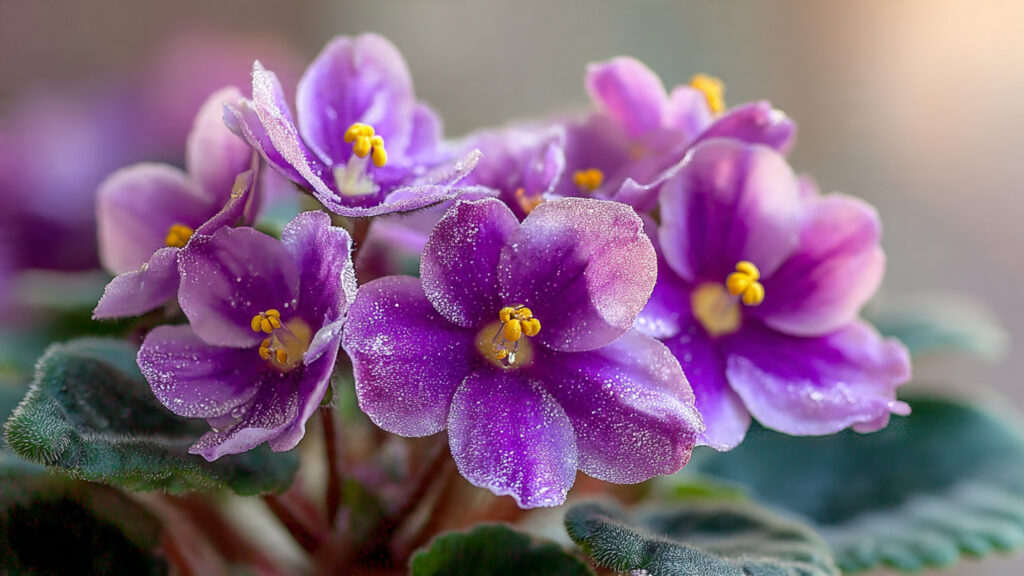
Saintpaulia ionantha, commonly known as the African violet, is a small, charming flowering plant prized for its vibrant blooms and compact size. Mini African violets, in particular, are perfect for home gardeners who want the beauty of flowers without taking up much space. They are ideal for windowsills, shelves, and tabletops, providing continuous color and freshness indoors. Despite their delicate appearance, mini African violets are surprisingly resilient and can thrive with minimal effort when grown correctly.
This ultimate guide covers everything you need to know to successfully grow mini African violets at home—from selecting the right varieties to care techniques, watering, light requirements, fertilization, propagation, and troubleshooting common problems. By following these steps, even beginner gardeners can enjoy a lush display of blooms year-round.
Understanding Mini African Violets
Mini African violets are compact versions of the standard Saintpaulia species. Typically, they grow to a diameter of 4–6 inches, making them perfect for small spaces. Despite their miniature size, they produce the same vibrant flowers as larger varieties, including shades of purple, pink, red, blue, and white.
Key Traits:
- Compact growth habit, ideal for indoor spaces.
- Evergreen foliage forming dense rosettes.
- Flowering throughout the year under optimal conditions.
- Prefers bright, indirect light and well-draining soil.
Understanding these characteristics is crucial for creating the ideal environment and care routine for mini African violets.
Choosing the Right Variety
Selecting the right mini African violet variety sets the foundation for easy care and abundant flowering. Some popular miniature varieties include:
- Optimara Little Pearl: Soft pink blooms and small leaves, perfect for windowsills.
- Rob’s Raspberry Splash: Purple and white patterned flowers with compact foliage.
- Tommie’s Mini Violet: Produces prolific small blooms and is easy to maintain.
- African Violet “Little Gem”: Dense, low-growing foliage with continuous flowers.
Choose a variety suited to your space and aesthetic preferences. Combining different colors and patterns adds a vibrant, dynamic display indoors.
Selecting the Right Containers
Mini African violets thrive in small pots with excellent drainage.
Container Tips:
- Use pots 3–4 inches in diameter for single plants.
- Ensure drainage holes to prevent waterlogging.
- Ceramic, plastic, or glazed pots work; avoid overly deep containers, which can retain excess moisture.
- Consider decorative pots to complement your indoor décor.
Correct container choice promotes healthy root development and prevents common problems such as root rot.
Soil Preparation
Mini African violets require well-draining, nutrient-rich soil.
Soil Recommendations:
- Use a commercial African violet potting mix or create a mix with equal parts peat moss, perlite, and vermiculite.
- Avoid heavy garden soils that retain too much moisture.
- Slightly acidic pH (6.0–6.5) supports optimal growth and flower production.
Well-prepared soil ensures healthy roots and encourages frequent blooming.
Light Requirements
Lighting is crucial for mini African violets to bloom continuously:
- Bright, indirect light: Near east- or north-facing windows is ideal.
- Avoid direct sunlight: Can scorch leaves.
- Artificial light: Use fluorescent or LED grow lights for 12–14 hours daily if natural light is insufficient.
- Rotation: Rotate plants every few days for even growth and symmetrical rosettes.
Proper lighting encourages vibrant foliage and abundant flowers without causing stress.
➡️ How to Grow Malabar Spinach from Cuttings for Fast, Easy Greens
➡️ How to Grow Super Delicious Cabbage at Home Without a Garden
➡️ How to Grow Bean Sprouts at Home in Plastic Bottles Easily (Step‑by‑Step Guide)
➡️ Why is Your Lemon Tree Blooming in the Heart of Winter?
➡️ Why Should Your Garden Have a Dedicated Pollinator Highway?
➡️ Why Do Your Fruit Trees Need a Winter Wash to Thrive in Spring?
➡️ How Can Rice Water Transform Your Fruits into Sweeter Delights?
➡️ Jumpstart Your Winter Garden: Seed Starting Under Lights
Watering Mini African Violets
Mini African violets are sensitive to water, especially on their leaves. Improper watering can lead to leaf spotting or root rot.
Watering Guidelines:
- Water from the bottom by placing the pot in a saucer of water for 20–30 minutes.
- Avoid wetting leaves; if top watering is necessary, water gently at the soil surface.
- Use room-temperature water to prevent shock.
- Maintain consistent moisture—soil should feel lightly moist but not soggy.
Consistent watering promotes lush foliage and vibrant blooms with minimal effort.
Fertilization
Mini African violets benefit from regular feeding to sustain growth and flowering:
- Type of fertilizer: Use a balanced, water-soluble fertilizer formulated for African violets.
- Frequency: Feed every 2–4 weeks during active growth.
- Dilution: Apply at half the recommended strength to prevent over-fertilization.
- Avoid leaf contact: Fertilize carefully to prevent burning leaves.
Balanced fertilization ensures strong growth, dense rosettes, and continuous blooms.
Maintaining Healthy Foliage
Healthy foliage is essential for a thriving mini African violet:
- Remove yellow, damaged, or dying leaves promptly.
- Wipe leaves gently with a soft, damp cloth to remove dust and encourage photosynthesis.
- Avoid overexposure to drafts or sudden temperature changes, which can cause leaf curling.
- Maintain indoor humidity around 50–60% if possible; misting nearby or using a humidity tray can help.
Vigorous foliage supports flowering and maintains the plant’s compact, full appearance.
Encouraging Frequent Blooming
Mini African violets can bloom year-round with proper care:
- Pinch spent flowers: Removing old blooms encourages new flower formation.
- Adequate light and fertilization: Ensures energy is directed toward flower production.
- Maintain optimal temperature: 65–75°F (18–24°C) promotes flowering; avoid sudden cold or heat.
- Avoid overwatering: Excess water reduces bloom frequency.
With these simple techniques, mini African violets provide a continuous display of color with minimal effort.
Propagation Techniques
One of the most rewarding aspects of mini African violets is their ease of propagation.
Leaf Cuttings:
- Select a healthy leaf with a short petiole.
- Insert the petiole into moist potting mix or water for rooting.
- Keep in bright, indirect light until roots and baby plantlets form.
Division of Offsets:
- Mature plants produce offsets or “pups” at the base.
- Carefully separate pups and plant them individually.
Propagation allows gardeners to expand their collection or share plants without purchasing new ones, all while maintaining the parent plant’s characteristics.
Troubleshooting Common Issues
Mini African violets are relatively low-maintenance but can face occasional problems:
Leaf Browning or Spots: Often caused by water on leaves or direct sunlight. Adjust watering and reposition plant.
Wilting: Indicates under- or over-watering. Check soil moisture and drainage.
Poor Blooming: Could be due to insufficient light, nutrient imbalance, or stress. Adjust care routine as needed.
Pests: Aphids, mealybugs, and spider mites can appear. Treat promptly with insecticidal soap or neem oil.
Regular monitoring and timely interventions ensure healthy growth with minimal effort.
Combining Mini African Violets for Maximum Effect
Mini African violets look stunning when grouped together:
- Combine different colors and varieties for a vibrant display.
- Place in clusters on windowsills or shelves for visual impact.
- Use decorative pots or containers to complement indoor décor.
Grouping enhances the visual appeal while making care more efficient, as plants can share similar light and watering requirements.
Seasonal Care
African violets require consistent care throughout the year:
- Spring and Summer: Active growth and flowering; maintain light, water, and feeding schedules.
- Autumn: Slightly reduce fertilization as growth slows; remove spent flowers.
- Winter: Provide supplemental lighting if natural light is limited; maintain humidity and temperature.
Adapting care to seasonal changes ensures year-round health and flowering.
Final Thoughts
Mini African violets are the perfect choice for indoor gardeners seeking a low-maintenance, high-reward flowering plant. With their compact size, vibrant blooms, and easy propagation, they can bring color, fragrance, and charm to any home. By understanding their needs—light, water, soil, fertilization, and care—gardeners can cultivate lush, full plants with minimal effort.
Whether you are a beginner or an experienced indoor gardener, following these steps will allow your mini African violets to thrive, producing continuous blooms and aromatic foliage. With proper attention, even a small collection of mini African violets can create a stunning indoor garden, adding beauty, freshness, and joy to your home throughout the year.