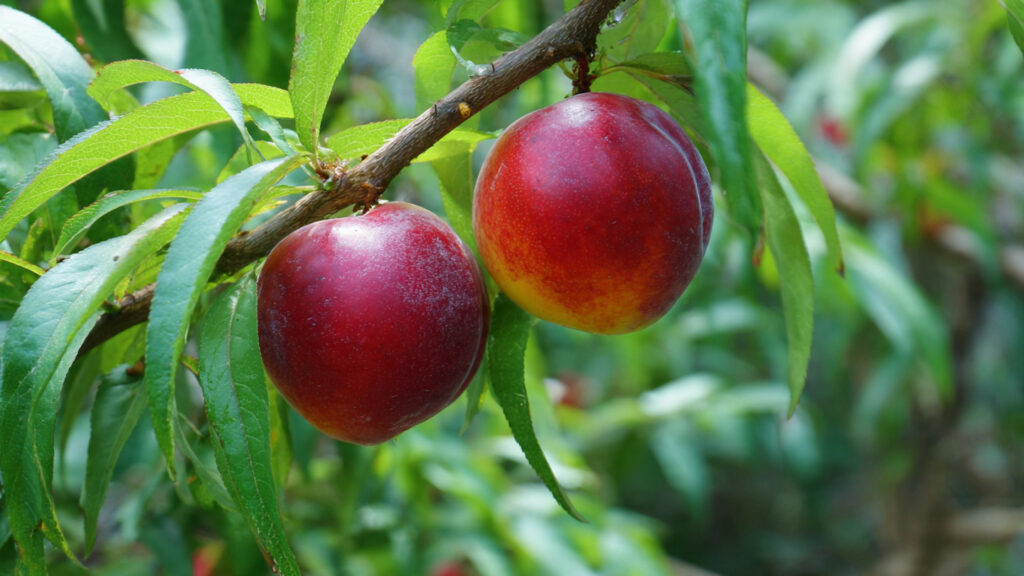
Nectarines (Prunus persica var. nucipersica) are a delight for home gardeners. Their smooth, sweet, and juicy fruits are a staple for summer desserts, jams, and fresh eating. Traditionally grown in orchards or garden beds, nectarines can also thrive in containers, making them accessible to urban gardeners, patio growers, or anyone with limited outdoor space. Container-growing offers flexibility, mobility, and control over soil and watering conditions, but beginners often worry about proper care, size management, and fruit production.
This guide reveals an easy and effective approach to successfully grow nectarine trees in containers, focusing on container selection, soil preparation, watering, pruning, fertilization, and pest management. By following these steps, even beginners can enjoy a bountiful nectarine harvest from a pot.
Why Grow Nectarine Trees in Containers?
Container gardening provides several advantages:
- Space Efficiency: Ideal for patios, balconies, or small yards.
- Mobility: Move the tree to optimize sunlight or protect it from frost and harsh weather.
- Soil Control: Easily manage soil composition and drainage.
- Pest and Disease Management: Easier to monitor and manage pests compared to in-ground trees.
For beginners, these benefits make container-grown nectarines an achievable and rewarding project.
Choosing the Right Nectarine Variety
Selecting the proper variety is crucial for container success:
- Dwarf or Semi-Dwarf Varieties: These trees naturally remain smaller, ideal for pots. Examples include ‘Red Gold’, ‘Hardired’, and ‘Nectar Babe’.
- Self-Fertile Varieties: Trees that do not require a second nectarine for pollination simplify container cultivation.
- Early-Maturing Varieties: In cooler climates, early-ripening types ensure fruit production before the end of the growing season.
Using dwarf, self-fertile, and early varieties allows beginners to manage growth and enjoy fruit without complex pollination or space issues.
Selecting the Right Container
Container choice directly impacts root health, growth, and fruit yield.
Size
- Start with a container at least 18–24 inches in diameter and deep enough to accommodate the root system.
- As the tree grows, upgrade to a larger pot (up to 30–36 inches in diameter) to support fruiting and overall vigor.
Material
- Terracotta or Ceramic: Breathable, prevents overwatering, and keeps roots cool.
- Plastic: Lightweight and easier to move but may retain more moisture.
- Wooden Planters: Provide natural insulation but ensure proper drainage.
Drainage
- Ensure multiple drainage holes to prevent waterlogging, which can cause root rot.
- Add a layer of gravel or broken clay at the bottom for improved drainage.
A well-chosen container sets the foundation for a healthy, thriving nectarine tree.
Preparing the Soil
Container-grown nectarine trees require nutrient-rich, well-draining soil to thrive:
- Use a high-quality potting mix enriched with compost or well-rotted manure.
- Avoid garden soil, which may compact easily and reduce drainage.
- Incorporate perlite or coarse sand to improve aeration and prevent root suffocation.
Healthy soil ensures robust root development, leading to faster growth and larger, tastier fruits.
Planting Your Nectarine Tree
- Fill the container partially with prepared soil.
- Place the tree so that the graft union (the bulge where the rootstock meets the scion) is 2–3 inches above soil level.
- Backfill with soil, gently firming it to eliminate air pockets.
- Water thoroughly to settle the soil.
- Apply 2–3 inches of mulch around the base to retain moisture and regulate temperature.
Proper planting promotes healthy root establishment and sets the stage for vigorous growth.
Positioning and Sunlight
Nectarines require full sun for optimal growth and fruit production:
- Minimum 6–8 hours of sunlight per day is essential.
- In hot climates, provide some afternoon shade to prevent leaf scorch.
- Container trees can be moved to follow the sun or avoid frost during early spring.
Sun exposure influences flower formation, fruit set, and sugar accumulation in the fruit.
Watering Techniques
Container trees dry out faster than in-ground trees, making consistent watering essential:
- Frequency: Water deeply when the top 1–2 inches of soil feel dry.
- Volume: Ensure water reaches the entire root zone.
- Avoid Waterlogging: Excess water leads to root rot; good drainage prevents this.
- Mulching: Helps retain moisture and stabilizes soil temperature.
Proper watering supports leaf growth, flower development, and fruit set.
➡️ How to Grow Malabar Spinach from Cuttings for Fast, Easy Greens
➡️ How to Grow Super Delicious Cabbage at Home Without a Garden
➡️ How to Grow Bean Sprouts at Home in Plastic Bottles Easily (Step‑by‑Step Guide)
➡️ Why is Your Lemon Tree Blooming in the Heart of Winter?
➡️ Why Should Your Garden Have a Dedicated Pollinator Highway?
➡️ Why Do Your Fruit Trees Need a Winter Wash to Thrive in Spring?
➡️ How Can Rice Water Transform Your Fruits into Sweeter Delights?
➡️ Jumpstart Your Winter Garden: Seed Starting Under Lights
Fertilization for Container Nectarines
Container trees depend entirely on the nutrients in their potting mix:
- Apply a balanced slow-release fertilizer in early spring as growth resumes.
- Use liquid fertilizers (compost tea or fish emulsion) every 2–3 weeks during the growing season for quick nutrient uptake.
- Increase potassium and phosphorus levels as flowers develop to encourage strong fruit formation.
- Avoid excessive nitrogen in mid-to-late summer to prevent leafy growth at the expense of fruit production.
Consistent feeding ensures healthy growth, flower development, and sweet, juicy fruit.
Pruning and Training
Pruning is key for container-grown nectarines to maintain size and shape, encourage branching, and promote fruiting:
- Early Pruning: Pinch or cut the central leader when young to promote lateral branching.
- Summer Pruning: Remove weak or crossing branches and old wood to improve light penetration and airflow.
- Flower Bud Management: For younger trees, consider removing early flower buds to allow energy to focus on growth.
Pruning keeps the tree manageable, bushy, and productive, even in a confined container.
Supporting Your Tree
Container nectarines may need additional support due to limited root stability:
- Use stakes or cages to prevent branches from breaking under fruit weight.
- Tie branches loosely with soft twine to avoid stem damage.
- Ensure supports do not obstruct sunlight or airflow.
Proper support prevents damage and helps maintain a healthy, productive canopy.
Pest and Disease Management
Container trees are easier to monitor, but vigilance is still essential:
Common Pests
- Aphids
- Spider mites
- Scale insects
Common Diseases
- Leaf curl
- Powdery mildew
- Root rot (from poor drainage)
Prevention and Control
- Inspect trees regularly and remove affected leaves.
- Encourage natural predators like ladybugs and lacewings.
- Use organic sprays (neem oil or insecticidal soap) as needed.
- Maintain proper watering and spacing for good airflow.
Healthy, stress-free trees grow faster and produce larger, more flavorful fruit.
Harvesting Container Nectarines
- Fruits are ready to pick when fully colored and slightly soft to gentle pressure.
- Harvest in the morning to avoid heat stress on the fruit.
- Frequent harvesting encourages continuous production.
Container-grown nectarines can produce fruit just as flavorful as in-ground trees when managed correctly.
Winter Care
In colder climates, container nectarines need extra protection:
- Move the container indoors, into a greenhouse, or a protected porch during winter.
- Reduce watering in dormancy but do not let the soil dry completely.
- Prune lightly before winter to remove dead or damaged branches.
Protecting the tree from extreme cold ensures survival and vigorous growth the following season.
Easy Hack for Beginners: The “Mobility Advantage”
One simple but highly effective hack for beginners is using the mobility of container trees to your advantage:
- Move the tree to follow the sun’s path for maximum exposure.
- Relocate during frost events to prevent bud or leaf damage.
- Shift indoors during winter or inclement weather.
This easy hack allows beginners to mitigate environmental stress without complicated interventions, promoting faster growth, healthier foliage, and better fruiting.
Final Thoughts
Growing nectarines in containers is both accessible and rewarding for beginners. Key strategies include:
- Choosing dwarf, self-fertile, and early-ripening varieties.
- Using the right container with proper drainage.
- Providing nutrient-rich, well-draining soil.
- Ensuring full sun exposure and consistent watering.
- Implementing regular pruning, support, and pest management.
- Utilizing the mobility advantage to protect the tree from environmental stress.
With these techniques, even first-time gardeners can enjoy lush, healthy nectarine trees in containers that yield sweet, juicy fruits season after season. Container growing transforms the traditional nectarine orchard experience into a manageable, rewarding home gardening adventure.