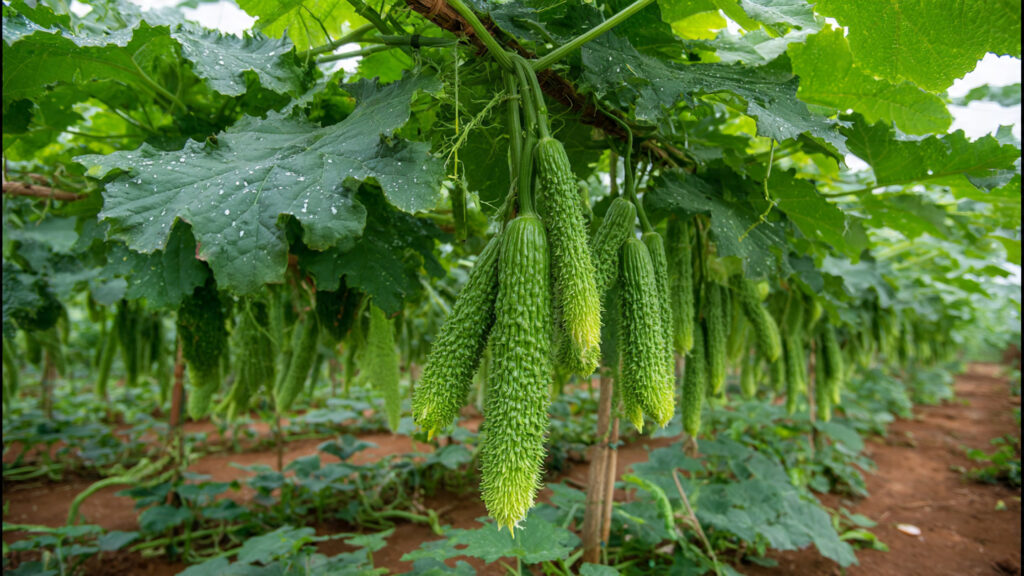
Karela, also known as Momordica charantia or bitter gourd, is a widely grown vegetable in tropical and subtropical regions, valued for its bitter fruits, medicinal properties, and nutritional benefits. Rich in vitamins, minerals, and antioxidants, karela is especially popular for its role in controlling blood sugar levels and promoting digestion. However, gardeners often face a common challenge: flower drop. Karela flowers are delicate, and environmental stress, nutrient imbalances, or improper care can cause premature flower fall, reducing fruit production.
This guide provides an in-depth, step-by-step approach to successfully growing karela while naturally preventing flower drop, ensuring a healthy, high-yielding crop. From selecting seeds to managing soil, watering, and pollination, these techniques are designed for both beginner and experienced gardeners.
Understanding Karela Flower Drop
Before addressing prevention, it’s essential to understand why karela flowers drop:
- Environmental Stress: Extreme temperatures, excessive heat, or sudden changes can cause flowers to abort.
- Pollination Issues: Inadequate pollination reduces fruit set, leading to natural flower drop.
- Nutrient Imbalances: Excess nitrogen promotes leaf growth but reduces flowering, while lack of potassium affects fruit formation.
- Water Stress: Both overwatering and drought stress can trigger flower drop.
- Pest and Disease Pressure: Aphids, whiteflies, and fungal infections weaken flowers and reduce fruit set.
By addressing these factors, gardeners can prevent premature flower drop and ensure a robust karela harvest.
Step 1: Selecting Quality Seeds
The foundation of successful karela cultivation begins with choosing the right seeds:
- Certified Seeds: Opt for high-quality, disease-resistant seeds from trusted suppliers.
- Variety Selection: Choose varieties suited to your climate and desired fruit characteristics—some are sweeter, others more bitter or larger in size.
- Seed Treatment: Soak seeds in lukewarm water for 24 hours to speed up germination and ensure uniform sprouting.
Starting with healthy seeds enhances germination rates and reduces early-stage stress, a major factor in flower drop.
Step 2: Preparing the Growing Location
Karela is a climber and requires ample sunlight and support:
- Sunlight: Ensure at least 6–8 hours of direct sunlight per day. Full sun promotes flowering and fruiting.
- Soil: Loose, well-draining soil rich in organic matter supports strong root growth. A slightly acidic to neutral pH (6.0–7.0) is ideal.
- Air Circulation: Adequate airflow prevents fungal infections, which can weaken flowers.
- Support Structure: Provide trellises, stakes, or nets to guide vines, keep fruits off the ground, and improve sunlight exposure to flowers.
A well-prepared location reduces stress and supports flower retention.
Step 3: Soil Preparation
Healthy soil promotes vigorous growth and flower retention:
- Loosen Soil: Dig to a depth of 12–15 inches to promote root expansion.
- Add Organic Matter: Mix compost, well-rotted manure, or leaf mold to enhance fertility and moisture retention.
- Nutrient Balance: Incorporate rock phosphate for phosphorus and wood ash for potassium if necessary, as these nutrients support flower development.
- Mulching: Apply organic mulch around the base to conserve moisture, reduce soil temperature fluctuations, and prevent weeds.
Balanced, nutrient-rich soil reduces stress, preventing flower drop naturally.
Step 4: Planting Karela
Proper planting ensures optimal growth and flower set:
- Seed Sowing: Sow seeds directly into prepared beds or in seedling trays for transplantation. Plant at a depth of 1 inch (2–3 cm).
- Spacing: Maintain 18–24 inches between plants and 36 inches between rows to avoid overcrowding.
- Transplanting: If using seedlings, transplant after 3–4 weeks when plants have 3–4 true leaves. Harden them off for a few days to acclimate to outdoor conditions.
- Trellising: Direct vines onto support structures early to prevent damage and maximize sun exposure for flowers.
Correct planting reduces early stress and encourages stronger flowering.
Step 5: Watering Techniques
Consistent, moderate watering is critical for flower retention:
- Young Plants: Keep soil evenly moist, not soggy, during the establishment phase.
- Mature Plants: Deep watering once or twice a week encourages robust root systems.
- Avoid Water Stress: Fluctuating moisture levels can cause flower drop. Use drip irrigation or soaker hoses to maintain consistent soil moisture.
- Mulching: Helps retain moisture and reduces evaporation, creating a stable environment for flowers.
Balanced watering keeps flowers healthy and prevents premature abscission.
Step 6: Fertilization for Flower Retention
Nutrient management is essential to prevent flower drop:
➡️ How to Grow Malabar Spinach from Cuttings for Fast, Easy Greens
➡️ How to Grow Super Delicious Cabbage at Home Without a Garden
➡️ How to Grow Bean Sprouts at Home in Plastic Bottles Easily (Step‑by‑Step Guide)
➡️ Why is Your Lemon Tree Blooming in the Heart of Winter?
➡️ Why Should Your Garden Have a Dedicated Pollinator Highway?
➡️ Why Do Your Fruit Trees Need a Winter Wash to Thrive in Spring?
➡️ How Can Rice Water Transform Your Fruits into Sweeter Delights?
➡️ Jumpstart Your Winter Garden: Seed Starting Under Lights
- Nitrogen: Use sparingly during flowering to avoid excessive leaf growth at the expense of flowers.
- Phosphorus and Potassium: Apply phosphorus-rich fertilizers to promote flower formation and potassium for fruit development.
- Organic Options: Vermicompost, compost tea, and cow dung solutions provide balanced nutrients and improve soil health.
- Timing: Fertilize at seedling stage, early flowering, and fruit set stages for best results.
Proper fertilization enhances flower strength and increases fruit set.
Step 7: Temperature and Sunlight Management
Karela flowers are sensitive to temperature extremes:
- Optimal Temperature: 24–30°C (75–86°F) supports flowering.
- Shade Management: In regions with intense heat, provide temporary shade during midday to prevent flower stress.
- Sunlight: Ensure 6–8 hours of daily sun to encourage robust flowering.
Moderate conditions reduce stress-induced flower drop naturally.
Step 8: Pollination Assistance
Insufficient pollination often leads to flower drop:
- Encourage Pollinators: Plant flowers nearby that attract bees and butterflies.
- Hand Pollination: Use a small brush to transfer pollen from male to female flowers if natural pollinators are scarce.
- Flower Observation: Ensure flowers remain open and receptive; pick the right time of day for pollination—usually morning.
Supporting pollination increases fruit set and reduces wasted flowers.
Step 9: Pruning and Vine Management
Pruning supports flower retention and overall plant health:
- Remove Weak or Yellowing Leaves: Prevents energy diversion from flowers to weak foliage.
- Tidy Vines: Direct main vines along the trellis to ensure light reaches flowers and improves airflow.
- Lateral Pruning: Trim lateral shoots moderately to reduce competition for nutrients.
Proper vine management maintains plant vigor and prevents flower drop.
Step 10: Pest and Disease Control
Healthy plants retain flowers better:
- Common Pests: Aphids, whiteflies, and mites feed on sap, weakening flowers.
- Common Diseases: Powdery mildew and downy mildew reduce plant vitality.
- Natural Remedies: Neem oil, insecticidal soap, and garlic sprays control pests organically.
- Preventive Measures: Maintain spacing for airflow, avoid overhead watering, and remove infected parts promptly.
Disease-free plants are more resilient and less prone to flower drop.
Step 11: Mulching for Microclimate Stability
Mulching stabilizes soil and reduces stress-induced flower drop:
- Materials: Straw, dried leaves, or coconut husks.
- Benefits: Conserves moisture, regulates temperature, and suppresses weeds.
- Thickness: 2–3 inches is ideal, keeping mulch slightly away from the stem base to prevent rot.
Stable microclimate supports healthy flowers and reduces drop.
Step 12: Environmental Stress Reduction
Stress is the main cause of flower drop:
- Wind Protection: Use temporary screens or plant near natural windbreaks.
- Temperature Shading: Apply light shading during heatwaves.
- Consistent Water and Nutrients: Avoid sudden drought or excessive fertilization.
Minimizing stress allows flowers to mature into fruits naturally.
Step 13: Companion Planting
Planting karela near beneficial companions improves growth:
- Marigolds: Deter pests naturally.
- Legumes: Improve soil nitrogen levels, supporting overall plant health.
- Herbs: Basil and coriander attract pollinators and beneficial insects.
Companion planting promotes a healthy ecosystem that naturally supports flowering.
Step 14: Monitoring and Maintenance
Regular monitoring ensures timely intervention:
- Flower Inspection: Remove damaged flowers to reduce stress on remaining blooms.
- Vine Training: Guide new shoots along trellis supports.
- Nutrient Check: Supplement with organic fertilizers if growth slows.
Consistent maintenance prevents conditions that lead to flower drop.
Step 15: Benefits of Natural Flower Drop Prevention
Following these natural techniques yields multiple benefits:
- Higher Yield: More flowers mature into fruits.
- Healthy Plants: Stress-free growth reduces susceptibility to pests and diseases.
- Sustainable Gardening: Avoids chemical use, supporting soil and ecosystem health.
- Consistent Harvest: Healthy plants provide a regular supply of karela for culinary and medicinal use.
Natural methods ensure long-term productivity and a thriving garden.
Final Thoughts
Successfully growing karela while preventing flower drop requires a holistic approach, combining careful seed selection, proper soil preparation, consistent watering, nutrient management, environmental control, and pest protection. By understanding the plant’s growth needs and providing optimal conditions, gardeners can ensure robust flowering and abundant fruit set without relying on chemical interventions.
Key takeaways:
- Choose high-quality, disease-resistant seeds.
- Prepare well-draining, nutrient-rich, slightly acidic soil.
- Provide full sun and stable environmental conditions.
- Apply balanced organic fertilizers and mulch to conserve moisture.
- Support pollination and prune vines to maintain plant vigor.
- Monitor regularly for pests, diseases, and stress.
By implementing these steps, your karela plants will thrive, producing healthy flowers and fruits naturally, resulting in a bountiful, sustainable, and rewarding garden harvest.