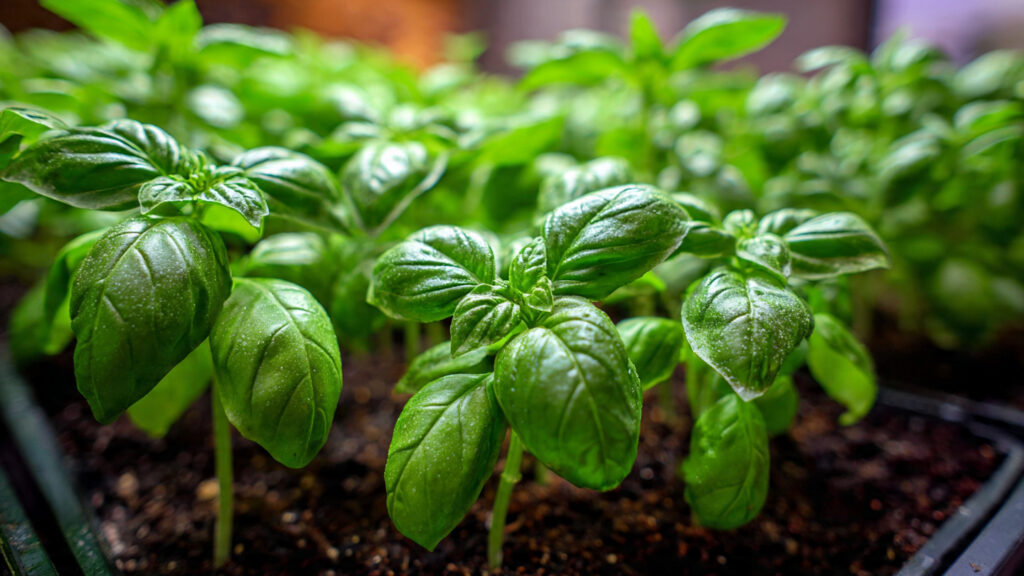
Basil (Ocimum basilicum) is one of the most beloved culinary herbs worldwide. Its aromatic leaves enhance everything from fresh salads and pasta dishes to sauces, pestos, and teas. For gardeners living in warm climates, basil offers the unique advantage of thriving year-round when properly cared for, providing a continuous supply of fresh, flavorful leaves.
Growing basil in hot climates requires careful attention to sunlight, soil, watering, and pruning techniques to ensure healthy plants and abundant harvests. This guide provides a comprehensive approach to cultivating basil year-round in warm environments, whether in garden beds, raised planters, or containers.
Understanding Basil’s Growth Needs
Basil is an annual herb in most regions, but in warm climates with frost-free conditions, it can be grown continuously year-round. Understanding its natural growth preferences is crucial for maintaining healthy plants.
Key Requirements:
- Sunlight: Basil thrives in full sun, requiring at least 6–8 hours of direct light daily.
- Temperature: Optimal growth occurs between 70–85°F (21–29°C). Temperatures above 95°F (35°C) can cause stress, stunted growth, and flowering.
- Soil: Well-draining, nutrient-rich soil with a slightly acidic to neutral pH (6.0–7.0) promotes healthy roots.
- Water: Consistent moisture is essential, but waterlogging can lead to root rot or fungal diseases.
By providing these conditions, warm-climate gardeners can maintain vigorous basil plants throughout the year.
Choosing the Right Basil Varieties
Not all basil varieties respond the same to warm climates. Selecting heat-tolerant cultivars ensures resilience and consistent leaf production.
Popular Heat-Tolerant Basil Varieties:
- Genovese Basil: Classic Italian variety with large, aromatic leaves.
- Thai Basil: Resilient in hot climates and adds a spicy, licorice-like flavor.
- Lemon Basil: Heat-tolerant, citrus-flavored leaves perfect for teas and salads.
- African Blue Basil: Highly resistant to heat and drought, producing vibrant purple stems and flowers.
Choosing the right variety based on flavor preferences and heat tolerance sets the stage for a thriving herb garden.
Planting Basil in Warm Climates
Basil can be grown from seeds or transplants. Both methods are effective, but transplants offer faster establishment.
Steps for Successful Planting:
- Seed Sowing:
- Sow seeds ¼ inch deep in seed trays or small pots.
- Keep the soil consistently moist and provide indirect sunlight until germination.
- Germination typically occurs within 7–14 days in warm conditions.
- Transplanting:
- Once seedlings have 2–3 sets of true leaves, transplant them into garden beds or larger containers.
- Space plants 12–18 inches apart to allow air circulation and healthy growth.
- Soil Preparation:
- Enrich planting beds or containers with compost or well-rotted manure.
- Ensure the soil is loose, well-draining, and slightly elevated if heavy rains are expected.
By planting at the right time and in well-prepared soil, basil establishes quickly and develops lush foliage.
Watering Strategies for Warm Climates
Basil requires regular watering, especially in hot climates, but overwatering can harm the plant.
Best Practices:
- Water deeply at the base of the plant to encourage strong root development.
- Avoid overhead watering, which can promote fungal diseases such as downy mildew or leaf spot.
- Maintain consistent soil moisture without allowing it to become soggy.
- Mulch around the base with straw or organic material to retain moisture and regulate soil temperature.
Consistent and balanced watering ensures that basil grows vigorously even during the hottest months.
Sunlight and Shade Considerations
While basil loves full sun, extreme heat can stress plants and reduce leaf quality.
Tips for Hot Climates:
- Provide light afternoon shade during peak summer heat if temperatures regularly exceed 95°F (35°C).
- In container gardens, move pots to slightly shaded areas during the hottest part of the day.
- Ensure morning sunlight exposure to promote photosynthesis and leaf growth.
Balancing sun and shade prevents leaf scorching while maintaining robust growth.
Fertilization for Year-Round Growth
Basil is a moderate feeder, and proper fertilization supports healthy leaves and continuous harvests.
Fertilization Guidelines:
- Incorporate compost or organic matter into the soil at planting.
- Apply a balanced, slow-release fertilizer every 4–6 weeks during active growth.
- Liquid seaweed or fish emulsion can provide additional nutrients and improve leaf flavor.
- Avoid over-fertilizing with nitrogen-heavy fertilizers, which can promote leafy growth at the expense of aromatic oils.
Regular feeding ensures that basil maintains vibrant color, strong aroma, and robust leaf production.
Pruning and Harvesting Techniques
Pruning is one of the most important practices for growing basil successfully, especially in warm climates where plants can bolt quickly.
➡️ How to Grow Malabar Spinach from Cuttings for Fast, Easy Greens
➡️ How to Grow Super Delicious Cabbage at Home Without a Garden
➡️ How to Grow Bean Sprouts at Home in Plastic Bottles Easily (Step‑by‑Step Guide)
➡️ Why is Your Lemon Tree Blooming in the Heart of Winter?
➡️ Why Should Your Garden Have a Dedicated Pollinator Highway?
➡️ Why Do Your Fruit Trees Need a Winter Wash to Thrive in Spring?
➡️ How Can Rice Water Transform Your Fruits into Sweeter Delights?
➡️ Jumpstart Your Winter Garden: Seed Starting Under Lights
Tips for Pruning:
- Pinch off the top sets of leaves regularly to encourage bushier growth.
- Remove flower buds as they appear to prevent premature bolting.
- Prune strategically, leaving at least two sets of leaves on the stem to continue photosynthesis.
Harvesting Guidelines:
- Harvest leaves in the morning when oils are most concentrated.
- Avoid removing more than one-third of the plant at a time to prevent stress.
- Frequent harvesting encourages continuous growth and prevents flowering.
Pruning and harvesting together promote a productive, lush herb garden year-round.
Pest and Disease Management
Warm climates can increase the risk of pests and diseases. Vigilance and proper care are essential.
Common Pests:
- Aphids: Small, sap-sucking insects that cluster on new growth.
- Whiteflies: Cause leaf yellowing and weaken plants.
- Spider mites: Thrive in hot, dry conditions and create fine webbing on leaves.
Disease Prevention:
- Downy mildew: Avoid overcrowding and ensure good air circulation.
- Leaf spot: Water at the base to prevent wet foliage.
- Root rot: Maintain well-draining soil and avoid waterlogging.
Management Strategies:
- Inspect plants regularly and remove affected leaves.
- Use insecticidal soap or neem oil for pest control.
- Rotate planting locations and use disease-resistant varieties when possible.
Proactive pest and disease management is crucial for year-round basil success.
Extending Basil Growth Year-Round
With the right techniques, basil can flourish in warm climates throughout the year.
Tips for Continuous Growth:
- Succession Planting: Sow new seeds or seedlings every few weeks to ensure a steady supply.
- Container Gardening: Move pots indoors or to shaded areas during extreme heat or seasonal storms.
- Companion Planting: Grow basil alongside tomatoes, peppers, or other herbs to maximize space and reduce pests naturally.
- Greenhouse or Shade Structures: Protect plants from intense sun or heavy rains while maintaining warmth.
By implementing these strategies, gardeners can maintain an abundant supply of fresh basil no matter the season.
Creative Uses for Homegrown Basil
Beyond culinary applications, homegrown basil adds value to your garden and lifestyle:
- Culinary: Fresh pesto, salads, marinades, and sauces.
- Herbal Teas: Brew aromatic leaves for calming teas.
- Decorative: Potted basil can enhance patios and kitchen windowsills.
- Gift-Giving: Homegrown herb plants make thoughtful, edible gifts.
Growing basil year-round ensures that these versatile uses are always within reach.
Common Mistakes to Avoid
Even experienced gardeners can encounter challenges when growing basil in warm climates.
- Allowing Flowering: Flowering reduces leaf quality and aroma. Pinch buds regularly.
- Overcrowding Plants: Poor airflow promotes fungal diseases. Maintain adequate spacing.
- Inconsistent Watering: Both overwatering and underwatering stress the plant.
- Ignoring Sun Stress: Excessive heat can scorch leaves; provide light shade if needed.
- Neglecting Pruning: Unpruned plants become leggy and produce fewer leaves.
By avoiding these common mistakes, you can maintain a thriving herb garden year-round.
Final Thoughts
Growing basil in warm climates year-round is not only possible—it can be remarkably rewarding. With careful attention to sunlight, temperature, soil, watering, pruning, and pest management, gardeners can enjoy continuous harvests of lush, aromatic leaves.
Key takeaways:
- Select heat-tolerant varieties suited for year-round growth.
- Plant in well-draining, nutrient-rich soil and provide consistent moisture.
- Use pruning and harvesting techniques to promote bushy growth and prevent bolting.
- Monitor for pests and diseases, taking proactive measures when needed.
- Utilize containers, succession planting, and shading to extend the growing season.
By following these strategies, your warm-climate herb garden will thrive, supplying a constant bounty of flavorful, fragrant basil. From vibrant culinary creations to ornamental green displays, a year-round basil garden adds both beauty and utility to your outdoor or indoor spaces.