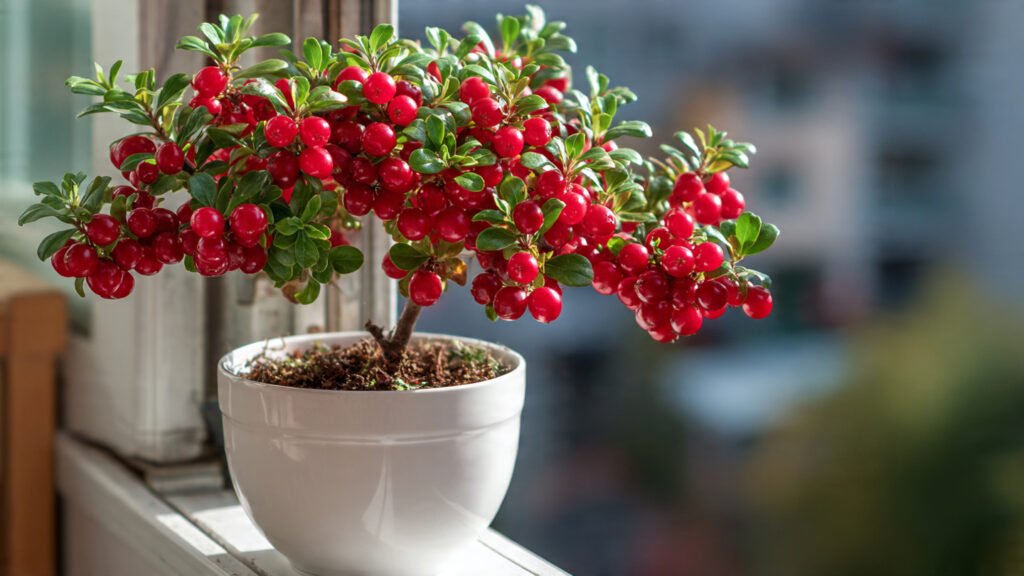
Lingonberries (Vaccinium vitis-idaea) are small, evergreen shrubs known for their vibrant red berries and glossy green leaves. Highly prized for their tart flavor and rich antioxidant content, they are often used in jams, sauces, and baked goods. Traditionally grown in forested or garden spaces, lingonberries can also thrive in urban environments—specifically on balconies—if you follow the right techniques. Urban gardening enthusiasts now have the opportunity to cultivate this nutrient-packed berry, bringing fresh produce and greenery into small spaces.
This comprehensive guide explores every aspect of growing lingonberries successfully on your balcony, from container selection and soil preparation to watering, fertilization, pest control, and harvesting. By following these methods, you can enjoy a lush, productive lingonberry patch without a backyard.
Why Grow Lingonberries on Your Balcony?
Balcony gardening provides a unique solution for urban dwellers:
- Space Efficiency: Lingonberries are compact and can be grown in pots or raised planters.
- Fresh Produce: Enjoy a personal supply of antioxidant-rich berries without relying on stores.
- Aesthetic Appeal: Evergreen foliage and bright berries add color and life to urban spaces.
- Pollinator Friendly: If flowering, they can attract bees, even in urban settings.
- Sustainable Urban Gardening: Growing food at home reduces packaging waste and carbon footprint.
Balcony cultivation is both practical and rewarding, providing a combination of fresh food, greenery, and improved air quality.
Step 1: Selecting the Right Container
The container is critical for balcony lingonberry success:
- Size: A container with at least 12–14 inches (30–35 cm) depth ensures adequate root growth. Larger containers support multiple plants for a denser display.
- Material: Clay, ceramic, or plastic pots work well. Ensure the container is sturdy enough to withstand wind and moisture.
- Drainage: Drill holes at the bottom for proper drainage. Lingonberries are sensitive to waterlogged roots.
- Mobility: If you need to move the pot for sunlight or weather protection, consider adding wheels or using a lighter material.
The right container ensures healthy roots, stable growth, and easier maintenance in urban spaces.
Step 2: Choosing the Right Lingonberry Variety
Several lingonberry varieties are suitable for container growth:
- ‘Red Pearl’ or ‘Koralle’: Compact, bushy, and prolific berry producers.
- ‘Compacta’: Ideal for small containers due to its dwarf habit.
- ‘Erntekrone’: High-yield variety with excellent flavor.
Selecting a dwarf or compact variety ensures manageable growth and consistent fruiting on a balcony.
Step 3: Soil Preparation for Containers
Lingonberries thrive in acidic, nutrient-rich soil:
- Soil Mix: Combine 50% peat moss or coco peat with 25% perlite and 25% compost. This mix ensures acidity, drainage, and fertility.
- pH Level: Maintain soil pH between 4.5 and 5.5. Add garden sulfur or acidic compost if necessary.
- Organic Matter: High organic content retains moisture and provides nutrients in a container setting.
- Aeration: Avoid compacting soil; roots need oxygen to flourish.
Healthy, acidic soil is the cornerstone of successful lingonberry container gardening.
Step 4: Planting Lingonberries in Containers
Proper planting technique ensures strong establishment:
- Planting Depth: Place the root ball at the same depth it was growing in the nursery pot. Avoid burying the crown.
- Spacing: If planting multiple shrubs in a single pot, leave 8–12 inches between plants.
- Mulching: Apply a thin layer of pine needles or bark mulch to conserve moisture and maintain soil acidity.
- Initial Watering: Water thoroughly after planting to settle the soil and encourage root establishment.
Correct planting maximizes root development and prepares plants for robust growth in limited space.
Step 5: Watering and Moisture Management
Lingonberries prefer consistent moisture but cannot tolerate soggy soil:
- Frequency: Water when the top inch of soil feels dry. During hot months, daily watering may be necessary for small containers.
- Technique: Use a drip tray or bottom watering to avoid waterlogging.
- Mulching: Helps retain moisture, reduces temperature fluctuations, and prevents soil from drying out too quickly.
- Humidity: In dry urban environments, occasional misting helps maintain humidity around the foliage.
Consistent watering reduces stress, which is key to healthy growth and fruit production.
Step 6: Fertilization
Nutrient management supports leafy growth and berry production:
➡️ How to Grow Malabar Spinach from Cuttings for Fast, Easy Greens
➡️ How to Grow Super Delicious Cabbage at Home Without a Garden
➡️ How to Grow Bean Sprouts at Home in Plastic Bottles Easily (Step‑by‑Step Guide)
➡️ Why is Your Lemon Tree Blooming in the Heart of Winter?
➡️ Why Should Your Garden Have a Dedicated Pollinator Highway?
➡️ Why Do Your Fruit Trees Need a Winter Wash to Thrive in Spring?
➡️ How Can Rice Water Transform Your Fruits into Sweeter Delights?
➡️ Jumpstart Your Winter Garden: Seed Starting Under Lights
- Type of Fertilizer: Use acid-loving plant fertilizers or slow-release granular fertilizer.
- Frequency: Fertilize every 6–8 weeks during the growing season (spring through late summer).
- Organic Options: Fish emulsion, compost tea, and well-rotted manure are excellent natural alternatives.
- Avoid Over-Fertilization: Excess nitrogen promotes leafy growth at the expense of flowers and berries.
Balanced nutrition encourages healthy leaves, strong stems, and plentiful fruit.
Step 7: Light Requirements
Sunlight is crucial for lingonberry growth:
- Full Sun Exposure: Provide at least 6–8 hours of sunlight daily for optimal flowering and berry formation.
- Partial Shade: Acceptable, but reduces berry production.
- Container Placement: Rotate pots periodically to ensure even sunlight exposure.
- Shade Protection: In hot urban climates, temporary shade may prevent leaf scorch during peak heat.
Adequate light ensures photosynthesis, flower development, and fruiting.
Step 8: Supporting Growth with Trellises or Stakes
Though compact, container lingonberries benefit from light support:
- Trellis Use: Helps upright growth and maintains airflow around foliage.
- Stakes: Prevent vines from sprawling over the container edges.
- Training Shoots: Prune or guide shoots to encourage bushier growth and improved berry yield.
Support structures reduce stress and improve the plant’s overall form and productivity.
Step 9: Pruning for Health and Productivity
Pruning encourages new shoots and prevents overcrowding:
- Remove Dead Branches: Cut away yellowing or damaged stems.
- Thin Crowded Growth: Maintain airflow and light penetration.
- Encourage Bushiness: Lightly trim tips of young shoots to promote branching and denser foliage.
Regular pruning improves plant vigor, reduces disease risk, and encourages fruiting in container-grown plants.
Step 10: Pollination and Flower Set
Lingonberries require pollination for fruiting:
- Attract Pollinators: Plant nearby flowers that attract bees and other pollinators.
- Hand Pollination: In urban spaces with fewer insects, use a small brush to transfer pollen between flowers.
- Timing: Pollinate in the morning when flowers are most receptive.
Effective pollination ensures a higher yield of berries in containers.
Step 11: Pest and Disease Management
Urban balcony gardens face fewer pests, but vigilance is necessary:
- Common Pests: Aphids, spider mites, and whiteflies.
- Diseases: Powdery mildew and root rot are primary concerns in containers.
- Preventive Measures: Ensure proper spacing, use well-draining soil, and avoid overhead watering.
- Organic Control: Neem oil, insecticidal soap, or hand removal of pests works well.
Healthy plants are less stressed and more likely to produce fruit consistently.
Step 12: Seasonal Care
Lingonberries respond well to seasonal attention:
- Spring: Fertilize and prune lightly to encourage new growth.
- Summer: Maintain consistent watering and monitor for pests.
- Autumn: Remove spent flowers and berries. Prepare plants for cooler weather.
- Winter: In cold climates, move containers indoors or provide frost protection. Mulch around roots to prevent freezing.
Seasonal care ensures consistent growth and survival in urban balcony environments.
Step 13: Harvesting Lingonberries
Timely harvesting ensures quality fruit and plant health:
- Berry Maturity: Pick berries when fully red and firm.
- Regular Harvesting: Frequent picking encourages continued fruit production.
- Storage: Refrigerate fresh berries for up to a week or freeze for long-term use.
Proper harvest management prolongs plant productivity and provides a steady supply of berries.
Step 14: Companion Planting for Containers
Pair lingonberries with complementary plants in pots:
- Blueberries: Share similar soil and sunlight requirements.
- Herbs and Flowers: Attract pollinators and beneficial insects.
- Low-Growing Plants: Use trailing plants to cover soil, retain moisture, and enhance aesthetic appeal.
Companion planting optimizes space and supports overall plant health in balcony settings.
Step 15: Advantages of Balcony Lingonberry Cultivation
Growing lingonberries on your balcony offers multiple benefits:
- Access to Fresh Berries: Enjoy nutritious fruits at your convenience.
- Urban Greenery: Adds natural beauty and greenery to concrete spaces.
- Educational Opportunity: Learn about plant care, pollination, and container gardening.
- Sustainable Food Production: Reduces reliance on store-bought produce.
With the right care, balcony lingonberries can be both productive and visually appealing.
Final Thoughts
Growing lingonberries on a balcony is entirely feasible with careful attention to container choice, soil preparation, watering, fertilization, and environmental conditions. By selecting suitable varieties, providing proper support, and ensuring effective pollination, you can enjoy a healthy, high-yielding lingonberry patch even in urban spaces.
Key takeaways:
- Use appropriately sized containers with excellent drainage.
- Select dwarf or compact lingonberry varieties suited for pots.
- Maintain acidic, nutrient-rich soil and consistent moisture.
- Ensure 6–8 hours of sunlight and manage temperature stresses.
- Support growth with pruning, staking, and regular maintenance.
- Encourage pollination to maximize berry yield.
By following this ultimate guide, your urban balcony will become a thriving micro-garden, producing vibrant foliage and tart, antioxidant-rich berries for your kitchen and enjoyment