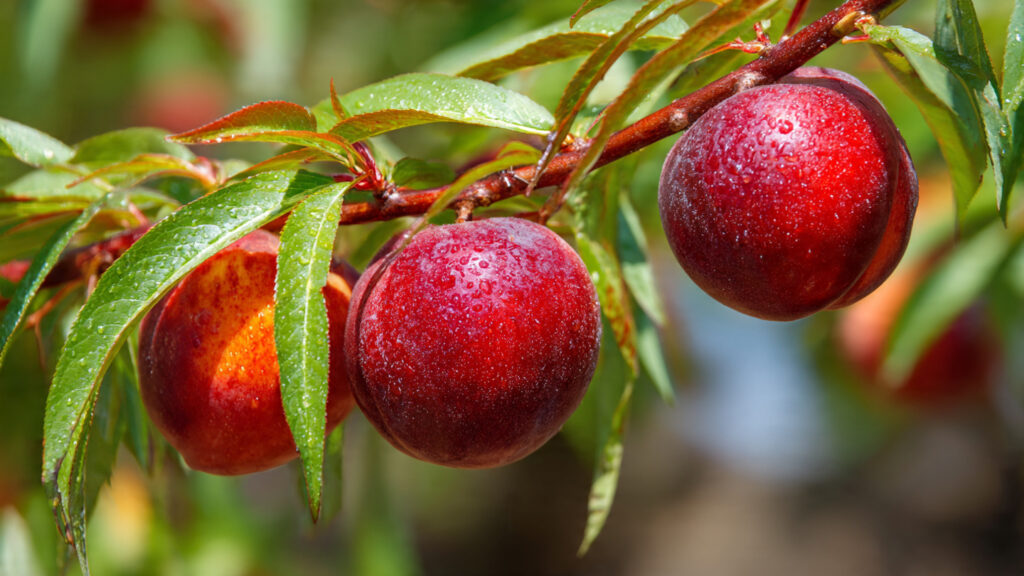
For home gardeners with limited space, growing fruit trees can seem like a daunting challenge. Traditional fruit trees require ample room, sunlight, and careful management, making them impractical for small yards, patios, or balconies. Fortunately, compact nectarine trees (Prunus persica var. nucipersica) offer a perfect solution for small-space gardening. These dwarf or semi-dwarf varieties are bred to thrive in containers or restricted plots while producing delicious, juicy nectarines. With the right care, even beginners can cultivate a productive fruit tree that adds beauty and bounty to their home garden.
This comprehensive guide covers everything from selecting the right variety and planting in small spaces to watering, fertilizing, pruning, pest control, and harvesting, ensuring your compact nectarine tree flourishes year after year.
Understanding Compact Nectarine Trees
Compact nectarine trees are designed specifically for small gardens and containers. Unlike full-sized trees, which can reach heights of 15–25 feet, dwarf or semi-dwarf nectarines typically grow 6–8 feet tall, making them manageable for pruning, harvesting, and general care. Key characteristics include:
- Size control: Naturally smaller stature allows for growing in pots, raised beds, or small yards.
- Early fruiting: Compact varieties often bear fruit within 1–2 years of planting.
- Self-pollination: Many compact nectarines are self-pollinating, reducing the need for multiple trees.
- Sunlight requirements: Thrive in full sun, requiring at least 6–8 hours daily for optimal fruiting.
Understanding these traits helps you choose the right variety and manage your tree effectively in a limited space.
Step 1: Selecting the Right Variety
Choosing the correct variety is critical for compact growth and high fruit yield:
- Dwarf ‘Garden Gold’: Produces sweet, juicy fruit and grows to 6–7 feet, ideal for pots or small yards.
- ‘Bonanza’: Compact, self-pollinating tree with high fruit set and early harvest.
- ‘Patio Princess’: Designed specifically for container growth, perfect for balcony or terrace gardens.
- ‘Sunred’: Semi-dwarf variety with early ripening fruit and manageable size.
Select a variety suited to your climate, container size, and available sunlight to maximize productivity.
Step 2: Choosing the Right Container or Small Space
For small-space gardening, container selection is crucial:
- Size: Start with a container at least 18–24 inches in diameter and 18–24 inches deep. As the tree grows, upgrade to a larger container to prevent root restriction.
- Material: Durable plastic, resin, or ceramic pots work best. Terracotta is attractive but dries out quickly and requires frequent watering.
- Drainage: Ensure multiple drainage holes to prevent waterlogging, which can lead to root rot.
- Mobility: Consider using a pot on wheels or a movable stand to relocate the tree for sun exposure or winter protection.
If planting directly in a small yard, choose raised beds or designated plots with well-draining soil to mimic container advantages.
Step 3: Preparing Soil
The soil is the foundation for healthy growth:
- Well-draining soil: Combine potting mix, perlite, and compost to create a nutrient-rich, airy medium.
- Slightly acidic to neutral pH: Optimal range is 6.0–7.0.
- Nutrient content: Enrich soil with slow-release fertilizers or organic compost to support fruiting.
- Avoid heavy soils: Dense clay can restrict roots and promote disease.
Healthy soil ensures strong root systems, vigorous growth, and high-quality fruit.
Step 4: Planting Your Compact Nectarine
Planting properly sets the stage for long-term success:
- Planting depth: Set the root ball so that the crown of the tree is level with the soil surface.
- Spacing: If planting multiple trees in small plots, leave at least 3–4 feet between trees for airflow and growth.
- Watering after planting: Water thoroughly to settle soil and eliminate air pockets around roots.
- Sun exposure: Place in full sun for optimal flowering and fruit production.
A carefully planted tree establishes quickly and reduces transplant shock.
Step 5: Watering and Moisture Management
Watering is critical, especially in containers:
- Regular watering: Keep soil consistently moist during the growing season but avoid waterlogging.
- Deep watering: Encourage roots to grow deeply by soaking soil thoroughly each time.
- Monitor soil: Container soil dries faster than garden beds; check daily during hot weather.
- Mulching: Apply a layer of organic mulch to retain moisture and regulate soil temperature.
Consistent moisture promotes healthy leaves, flowers, and fruit.
Step 6: Fertilizing for Fruit Production
Compact nectarines are nutrient-demanding, especially when growing in pots:
➡️ How to Grow Malabar Spinach from Cuttings for Fast, Easy Greens
➡️ How to Grow Super Delicious Cabbage at Home Without a Garden
➡️ How to Grow Bean Sprouts at Home in Plastic Bottles Easily (Step‑by‑Step Guide)
➡️ Why is Your Lemon Tree Blooming in the Heart of Winter?
➡️ Why Should Your Garden Have a Dedicated Pollinator Highway?
➡️ Why Do Your Fruit Trees Need a Winter Wash to Thrive in Spring?
➡️ How Can Rice Water Transform Your Fruits into Sweeter Delights?
➡️ Jumpstart Your Winter Garden: Seed Starting Under Lights
- Balanced fertilizer: Use a 10-10-10 NPK fertilizer during the growing season.
- Frequency: Fertilize every 4–6 weeks in spring and summer.
- Organic options: Compost tea or diluted fish emulsion provides gentle, sustained nutrients.
- Micronutrients: Ensure adequate calcium, magnesium, and iron to prevent blossom-end rot and leaf yellowing.
Proper nutrition ensures vigorous growth, abundant flowering, and high-quality fruit.
Step 7: Pruning and Training
Pruning maintains shape, encourages fruiting, and improves air circulation:
- Remove dead or damaged branches: Reduces disease risk and promotes healthy growth.
- Thin crowded branches: Enhances sunlight penetration and airflow, improving fruit quality.
- Pinch tips of young shoots: Encourages branching and a compact, balanced structure.
- Annual maintenance: Prune in late winter before bud break for maximum impact.
Training compact nectarines ensures they stay manageable and productive in small spaces.
Step 8: Pollination
Many compact nectarine varieties are self-pollinating, but assisted pollination can improve yields:
- Hand pollination: Use a soft paintbrush to transfer pollen between flowers for increased fruit set.
- Timing: Morning is ideal when pollen is most viable.
- Pollinator-friendly environment: Encourage bees or other insects nearby to boost natural pollination.
Proper pollination ensures the tree produces the maximum amount of fruit for your limited space.
Step 9: Pest and Disease Management
Compact nectarine trees are susceptible to common fruit tree issues:
- Pests: Aphids, scale insects, and spider mites can affect growth. Treat with insecticidal soap or neem oil.
- Fungal diseases: Powdery mildew and leaf curl may appear in humid conditions. Maintain good airflow, prune properly, and avoid overhead watering.
- Monitoring: Inspect weekly to detect problems early.
Proactive pest and disease management keeps your small-space nectarine healthy and productive.
Step 10: Harvesting Nectarines
Knowing when and how to harvest ensures the best flavor:
- Timing: Fruit is ripe when it has full color, slightly soft texture, and detaches easily from the branch.
- Harvesting technique: Gently twist or use pruning shears to avoid damaging the tree.
- Post-harvest: Store at room temperature for full ripening or refrigerate for longer preservation.
Regular harvesting encourages continued fruiting and prevents stress on the tree.
Benefits of Growing Compact Nectarine Trees in Small Spaces
Growing compact nectarines in limited spaces offers multiple advantages:
- Space-efficient: Ideal for patios, balconies, or small yards.
- Early fruiting: Compact varieties bear fruit within 1–2 years.
- Manageable care: Easier pruning, harvesting, and pest management.
- Container flexibility: Trees can be moved for optimal sun, winter protection, or aesthetic appeal.
- Homegrown flavor: Enjoy fresh, juicy nectarines at your doorstep.
Compact nectarines combine practicality and productivity, making them perfect for small-space gardeners.
Bonus Tips for Beginners
- Pre-formed container trees: Buy a ready-to-grow compact nectarine in a pot to reduce transplant shock and enjoy early fruiting.
- Water-retaining techniques: Use self-watering pots or mulch to reduce daily watering needs.
- Companion planting: Plant herbs or flowers nearby to attract pollinators and improve garden biodiversity.
- Regular inspections: Even small trees benefit from weekly monitoring for pests, disease, and overall health.
These tips simplify care for beginners and maximize the success of compact nectarine cultivation.
Final Thoughts
Growing compact nectarine trees in small spaces is both practical and rewarding. By selecting the right variety, preparing soil, planting correctly, providing consistent care, and managing pests and pruning effectively, anyone—even beginners—can cultivate a productive, beautiful tree in limited spaces.
Whether grown in containers, raised beds, or small garden plots, compact nectarines offer the perfect combination of space efficiency, aesthetic appeal, and delicious homegrown fruit. With patience, attention, and this comprehensive guide, small-space gardeners can enjoy the satisfaction of fresh, juicy nectarines right at home—without the challenges of managing a full-sized orchard.