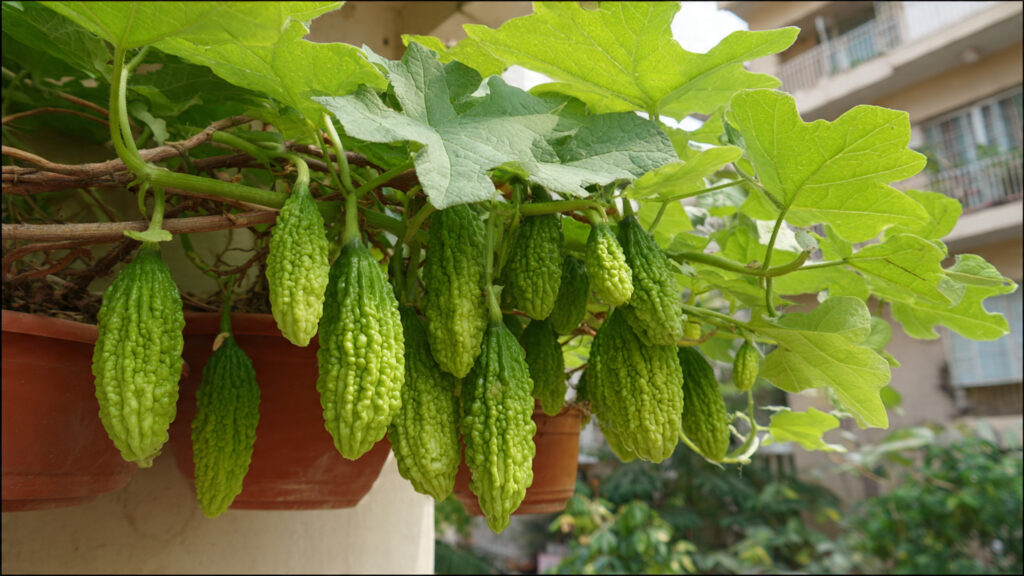
Momordica charantia, commonly known as bitter gourd or bitter melon, is a tropical vine vegetable prized for its unique flavor, medicinal properties, and nutritional benefits. Hybrid varieties of bitter gourd have been specifically developed to provide higher yields, better disease resistance, and more uniform fruit quality, making them ideal for urban gardeners who want productive plants in limited spaces.
Growing hybrid bitter gourd in pots is a perfect solution for urban gardens, balconies, terraces, or small patios. Container cultivation allows gardeners to control soil quality, irrigation, and sunlight while enjoying fresh, homegrown bitter gourds year-round. This guide provides a comprehensive roadmap to successfully growing hybrid bitter gourd in pots, covering everything from selecting the right variety to soil preparation, planting, care, pest management, and harvesting.
Understanding Hybrid Bitter Gourd
Hybrid bitter gourds are the result of selective breeding to enhance key traits such as fruit size, shape, yield, and resistance to common diseases. Understanding these characteristics is essential for effective pot cultivation:
- Vine growth: Hybrid bitter gourds are vigorous climbers and require trellises or support structures.
- Fruit characteristics: Hybrid varieties typically produce smoother, longer, and more uniform fruits with less bitterness.
- Growing season: Warm-season plant requiring 75–85°F (24–29°C) for optimal growth.
- Sunlight requirement: Full sun for at least 6–8 hours a day.
With this knowledge, urban gardeners can choose the most suitable varieties and plan for space and support needs.
Selecting the Right Hybrid Variety
Choosing the right hybrid bitter gourd variety is crucial for container gardening success. Popular options for urban cultivation include:
- Pusa Do Mausami Hybrid: High-yielding, disease-resistant, smooth fruits.
- Pusa Vishesh: Compact growth, early maturing, suitable for pot culture.
- Arka Harit: Resistant to common viral diseases, uniform fruit shape.
- Hybrid Long Green: Produces long, slender fruits with minimal bitterness.
Select a variety based on your container size, local climate, and culinary preference. Compact or dwarf hybrids are ideal for small pots and limited spaces.
Choosing the Right Container
Container selection is vital for healthy vine growth and fruit development.
Container Guidelines:
- Minimum size: 15–20 gallons for one plant; larger containers support better root development.
- Material: Plastic, ceramic, or fabric grow bags. Ensure durability and adequate drainage.
- Drainage: Drill multiple holes at the bottom to prevent waterlogging.
Using a suitably large container allows the hybrid bitter gourd plant to establish a strong root system, essential for supporting vigorous vine growth and multiple fruits.
Preparing the Soil
Hybrid bitter gourd thrives in nutrient-rich, well-draining soil. Proper soil preparation ensures vigorous growth and healthy fruits.
Soil Requirements:
- Loamy or sandy loam soil enriched with organic matter.
- Slightly acidic to neutral pH (6.0–7.0).
- Well-aerated to support vine and root development.
Soil Preparation Steps:
- Mix garden soil with compost, well-rotted manure, and perlite or coarse sand for drainage.
- Add a balanced, slow-release fertilizer to provide nutrients for the growing season.
- Fill the container, leaving 2–3 inches of space at the top for watering.
Proper soil preparation provides essential nutrients and moisture retention while preventing root diseases.
Sowing Seeds or Transplanting Seedlings
Hybrid bitter gourd can be grown from seeds or nursery-raised seedlings. Both methods work well in pots.
Seed Sowing:
- Soak seeds in warm water for 12–24 hours to improve germination.
- Sow seeds ½–1 inch deep in the prepared container.
- Maintain soil moisture until germination, typically 7–10 days.
Seedling Transplanting:
- Purchase healthy seedlings from a nursery.
- Transplant carefully to avoid root damage.
- Water immediately after transplanting.
Using seedlings can shorten the growing cycle and result in earlier harvests, which is beneficial in urban settings with shorter seasons.
➡️ How to Grow Malabar Spinach from Cuttings for Fast, Easy Greens
➡️ How to Grow Super Delicious Cabbage at Home Without a Garden
➡️ How to Grow Bean Sprouts at Home in Plastic Bottles Easily (Step‑by‑Step Guide)
➡️ Why is Your Lemon Tree Blooming in the Heart of Winter?
➡️ Why Should Your Garden Have a Dedicated Pollinator Highway?
➡️ Why Do Your Fruit Trees Need a Winter Wash to Thrive in Spring?
➡️ How Can Rice Water Transform Your Fruits into Sweeter Delights?
➡️ Jumpstart Your Winter Garden: Seed Starting Under Lights
Providing Trellis Support
Bitter gourd vines are climbers and require sturdy support for optimal growth and fruiting.
Trellis Tips:
- Use bamboo sticks, netting, or wire mesh to support vertical growth.
- Position the trellis before planting to avoid disturbing roots later.
- Secure vines gently as they grow to prevent breakage.
Vertical growth conserves space in urban gardens and allows better air circulation, reducing disease incidence.
Watering Practices
Hybrid bitter gourd requires consistent moisture for healthy growth and fruiting, but overwatering can lead to root rot.
Watering Guidelines:
- Keep soil evenly moist, especially during flowering and fruit set.
- Water deeply 2–3 times a week, adjusting for weather and container size.
- Avoid waterlogging by ensuring proper drainage.
- Mulch around the base to conserve moisture and regulate soil temperature.
Consistent watering ensures strong vine growth and high-quality fruit production.
Fertilization and Nutrient Management
Nutrient management is essential for vigorous growth and abundant fruiting in pots.
Fertilization Guidelines:
- Apply balanced NPK fertilizer (10:10:10) every 3–4 weeks during the growth phase.
- Increase potassium and phosphorus during flowering and fruiting to enhance fruit development.
- Supplement with compost tea or liquid organic fertilizers for additional nutrients.
Proper fertilization supports healthy leaves, strong stems, and multiple fruit yields.
Pruning and Pinching for Better Yield
Pruning and pinching encourage bushier growth and higher fruit production:
- Pinch the growing tip after 4–5 nodes to promote lateral branching.
- Remove weak or yellowing leaves to improve airflow and sunlight penetration.
- Trim excess vines to focus energy on fruit-bearing branches.
Strategic pruning helps urban gardeners maximize space and ensures a more manageable plant in containers.
Pest and Disease Management
Hybrid bitter gourd is susceptible to pests and diseases, which must be monitored, especially in confined urban spaces:
Common Pests:
- Aphids, fruit flies, whiteflies.
- Treat with neem oil, insecticidal soap, or organic pesticides.
Common Diseases:
- Powdery mildew and downy mildew; maintain airflow and avoid wetting foliage.
- Fusarium wilt; ensure well-draining soil and rotate crops.
Early detection and proactive management keep plants healthy and productive.
Harvesting Hybrid Bitter Gourd
Proper harvesting ensures continuous production and high-quality fruits:
- Harvest when fruits are firm, bright green, and before they turn yellow or overripe.
- Use scissors or a knife to avoid damaging vines.
- Regular harvesting encourages new fruit set and prolongs the productive period.
In container gardening, harvesting carefully also prevents stress to the plant and supports ongoing growth.
Companion Planting and Urban Garden Planning
Hybrid bitter gourd grows well with certain companion plants, even in small spaces:
- Companions: Beans, cucumbers, marigolds, and nasturtiums enhance growth and repel pests.
- Vertical arrangement: Train vines along walls, railings, or trellises to save space.
- Intercropping in large pots: Plant fast-growing herbs like basil or coriander alongside bitter gourd for efficient use of space.
Planning container arrangements and companion planting improves productivity and garden aesthetics.
Benefits of Growing Hybrid Bitter Gourd in Pots
- Space-saving: Ideal for balconies, terraces, and small urban gardens.
- High yield: Hybrid varieties produce multiple fruits per vine.
- Controlled environment: Easier to manage soil quality, irrigation, and sunlight.
- Fresh, organic produce: Enjoy homegrown, pesticide-free vegetables.
- Continuous harvest: With proper care, plants can produce for several months.
Container cultivation makes it possible for city dwellers to enjoy fresh, nutritious bitter gourd without traditional garden space.
Final Thoughts
Growing hybrid bitter gourd in pots is a practical, rewarding solution for urban gardeners. By selecting the right hybrid variety, choosing appropriate containers, preparing nutrient-rich soil, providing trellis support, and maintaining proper watering and fertilization, gardeners can enjoy lush vines and abundant fruit production.
With strategic pruning, pest management, and regular harvesting, hybrid bitter gourd thrives even in limited spaces, producing high-quality, flavorful vegetables. Container gardening not only makes efficient use of space but also allows gardeners to monitor growth conditions closely, ensuring healthy plants and continuous harvests.
By following these simple yet effective methods, urban gardeners can cultivate thriving hybrid bitter gourd plants that provide fresh, nutritious vegetables while adding greenery and beauty to balconies, terraces, and compact garden spaces. With patience and consistent care, container-grown bitter gourds can become a staple of the urban kitchen garden, combining convenience, sustainability, and culinary delight.