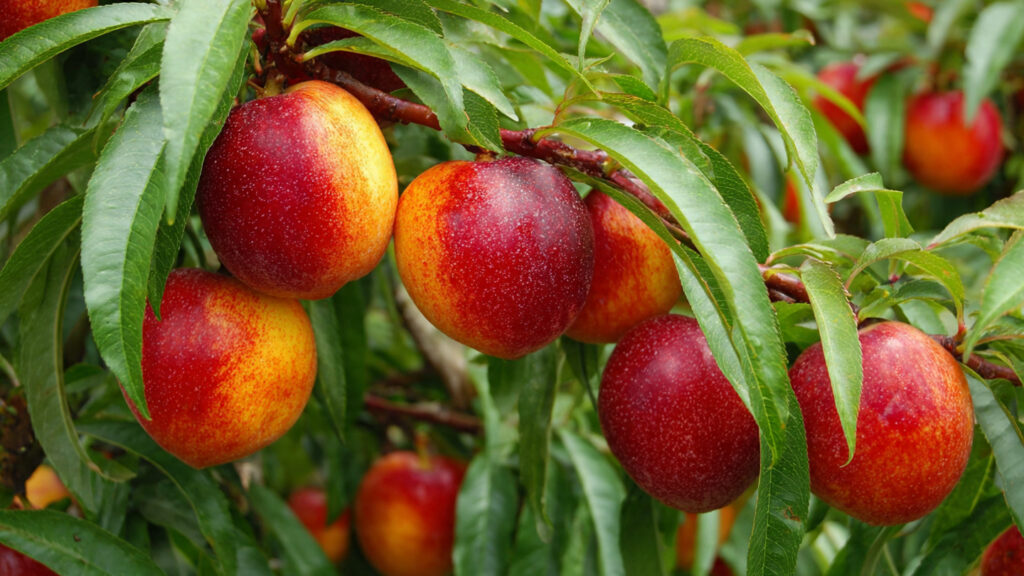
Growing nectarines (Prunus persica var. nucipersica) in regions with short summers can be challenging, but with careful planning, proper variety selection, and attentive care, it is entirely possible to achieve abundant, high-quality fruit. Nectarines are prized for their smooth, juicy flesh, sweet aroma, and versatility in fresh eating, preserves, and desserts. However, in areas with limited growing seasons, gardeners must optimize every aspect of tree care to ensure that the fruits mature fully before the onset of cooler weather.
This comprehensive guide explores strategies for successfully cultivating nectarine trees in short-summer climates, from variety selection and planting to pruning, fertilization, watering, and harvest management.
Understanding the Challenges of Short Summers
Short summers can impact nectarine production in several ways:
- Limited Heat Accumulation: Nectarines require a certain number of growing degree days to ripen. A short season may not provide enough warmth.
- Early Frost Risk: Late spring frosts can damage buds, while early autumn frosts can affect fruit ripening.
- Accelerated Growth Requirements: Trees must develop leaves, flowers, and fruit quickly to utilize the brief growing season effectively.
To overcome these challenges, gardeners must select appropriate varieties, manage environmental conditions, and adopt growth-accelerating practices.
Selecting the Right Nectarine Variety
The first and most critical step for short-summer cultivation is choosing the right variety:
- Early-Ripening Varieties: These varieties mature faster, ensuring fruit reaches full sweetness before the end of summer. Examples include ‘Hardired,’ ‘Red Gold,’ and ‘Nectar Babe.’
- Self-Fertile Varieties: Self-fertile nectarines do not require another tree for pollination, simplifying care and improving fruit set.
- Dwarf or Semi-Dwarf Varieties: These trees mature quickly, are easier to manage in containers or small yards, and respond faster to training techniques.
Selecting varieties suited to short growing seasons is essential for successful fruiting.
Choosing the Ideal Location
Site selection can make or break nectarine success in a short-summer region:
- Full Sun Exposure: Nectarines require at least 6–8 hours of direct sunlight per day for rapid growth and fruit ripening.
- Warm Microclimates: Plant trees in areas protected from cold winds and frost pockets. South- or southwest-facing slopes are ideal.
- Soil Requirements: Well-draining, fertile soil with a pH of 6.0–7.0 promotes rapid root development and nutrient uptake.
- Air Circulation: Proper spacing and airflow reduce disease risk and help fruits ripen evenly.
Maximizing sun and warmth can compensate for a shortened summer.
Planting and Establishing Trees
Proper planting techniques are essential for rapid establishment and optimal fruiting:
- Timing: Plant trees in early spring once the ground is workable, allowing them to establish before fruiting.
- Hole Preparation: Dig a hole twice as wide and as deep as the root ball. Loosen the soil at the bottom to encourage root expansion.
- Planting Depth: Ensure the graft union is 2–3 inches above soil level to prevent rot and support strong growth.
- Mulching: Apply 2–3 inches of organic mulch around the base to conserve moisture and moderate soil temperature.
Early and proper planting gives trees a head start in short summers.
Watering Strategies for Fast Growth
Short summers demand efficient water management to support rapid leaf, flower, and fruit development:
- Consistent Moisture: Keep soil evenly moist without waterlogging. Inconsistent watering can stress the tree and delay fruit development.
- Deep Watering: Water slowly and deeply to reach the root zone, promoting strong root systems.
- Mulching Benefits: Mulch helps retain moisture and prevents rapid soil temperature fluctuations.
- Drip Irrigation: Consider drip irrigation to provide steady moisture while minimizing waste.
Proper water management ensures trees develop vigorously and produce fruit in a compressed timeframe.
Fertilization for Accelerated Growth and Fruit Development
Nectarine trees in short summers need adequate nutrients to complete growth and fruiting quickly:
- Nitrogen: Supports vegetative growth early in the season.
- Phosphorus: Promotes flower bud formation and strong root systems.
- Potassium: Enhances fruit quality, size, and sugar content.
- Application Timing: Apply nitrogen in early spring, then shift to phosphorus- and potassium-rich fertilizers as buds develop.
Balanced and timely fertilization ensures the tree grows vigorously while focusing energy on fruit production.
Pruning and Training Techniques
Pruning and training maximize light exposure, improve airflow, and promote early bud formation:
➡️ How to Grow Malabar Spinach from Cuttings for Fast, Easy Greens
➡️ How to Grow Super Delicious Cabbage at Home Without a Garden
➡️ How to Grow Bean Sprouts at Home in Plastic Bottles Easily (Step‑by‑Step Guide)
➡️ Why is Your Lemon Tree Blooming in the Heart of Winter?
➡️ Why Should Your Garden Have a Dedicated Pollinator Highway?
➡️ Why Do Your Fruit Trees Need a Winter Wash to Thrive in Spring?
➡️ How Can Rice Water Transform Your Fruits into Sweeter Delights?
➡️ Jumpstart Your Winter Garden: Seed Starting Under Lights
- Formative Pruning: In the first few years, shape the tree into an open center or vase shape for sunlight penetration.
- Summer Pruning: Remove weak or crossing branches to focus energy on strong shoots that bear fruit.
- Pinching Buds: For younger trees, consider removing some early flower buds to allow energy to develop larger, stronger fruit later.
- Training: Use stakes or trellises for dwarf varieties to guide growth and improve structure.
Effective pruning and training help maximize fruit production even in condensed summer conditions.
Extending the Growing Season
Gardeners can use several techniques to help nectarine trees ripen fruit faster in short summers:
- Row Covers: Use lightweight frost cloths to protect early blooms from spring frosts.
- Reflective Mulch: Silver or white mulch reflects sunlight onto lower branches, warming the soil and promoting bud and fruit growth.
- Container Growing: Potted trees can be moved to sunnier locations or sheltered areas to optimize light and warmth.
- Microclimate Creation: Position trees near walls, fences, or patios that retain heat, creating a slightly warmer environment.
These methods help accelerate fruit development, ensuring harvest before the first frost.
Pollination for Maximum Fruit Set
Even self-fertile nectarines benefit from pollination support:
- Attract Pollinators: Bees, hoverflies, and other pollinators enhance fruit set. Plant companion flowers nearby to attract them.
- Hand Pollination: In very short summers or protected environments, use a soft brush to transfer pollen from one flower to another.
- Flower Density: Remove excess flowers if the tree is overloaded, allowing remaining fruit to develop faster and larger.
Good pollination practices ensure that fruit develops quickly and evenly.
Pest and Disease Management
In short summers, trees must remain healthy to produce fruit quickly:
Common Pests
- Aphids, scale insects, and leaf curl mites can weaken trees and delay fruiting.
Common Diseases
- Peach leaf curl, powdery mildew, and brown rot affect flower and fruit development.
Management Techniques
- Inspect trees regularly and remove infected leaves or fruit.
- Apply fungicides or organic treatments if necessary.
- Ensure proper spacing and airflow to reduce fungal disease risk.
Healthy trees are better able to develop early buds and ripen fruit in a short growing season.
Harvesting Nectarines in Short Summers
Timing the harvest correctly ensures maximum sweetness and quality:
- Check Ripeness: Fruit should be slightly soft to the touch, aromatic, and fully colored.
- Harvest Early-Maturing Varieties First: This allows later varieties to develop without competition for resources.
- Frequent Harvesting: Pick fruit as soon as it ripens to encourage continued growth on remaining buds.
Proper harvesting techniques help ensure optimal fruit production and quality.
Seasonal Care for Short-Summer Climates
- Spring: Plant or transplant, prune for structure, apply nitrogen fertilizer, protect from frost.
- Early Summer: Water consistently, apply phosphorus and potassium, support fruit development, monitor for pests.
- Late Summer: Harvest early varieties, continue pest and disease control, prepare trees for cooler weather.
- Fall/Winter: Mulch heavily, protect from frost, reduce watering, prune as needed for next season.
Following a seasonal schedule maximizes the tree’s productivity within a limited growing window.
Final Thoughts
Growing nectarines in short-summer climates requires careful planning, timely interventions, and attentive care. Key strategies for success include:
- Selecting early-maturing, dwarf, or self-fertile varieties.
- Choosing sunny, warm planting sites with well-draining soil.
- Implementing proper watering, fertilization, and pruning routines.
- Creating microclimates, using row covers, or container mobility to extend the effective growing season.
- Supporting pollination and monitoring for pests and diseases.
By following these practices, gardeners can overcome the challenges of short summers and achieve abundant, high-quality nectarine fruit. With dedication and attention to detail, even regions with brief growing seasons can enjoy the sweetness and beauty of homegrown nectarines.