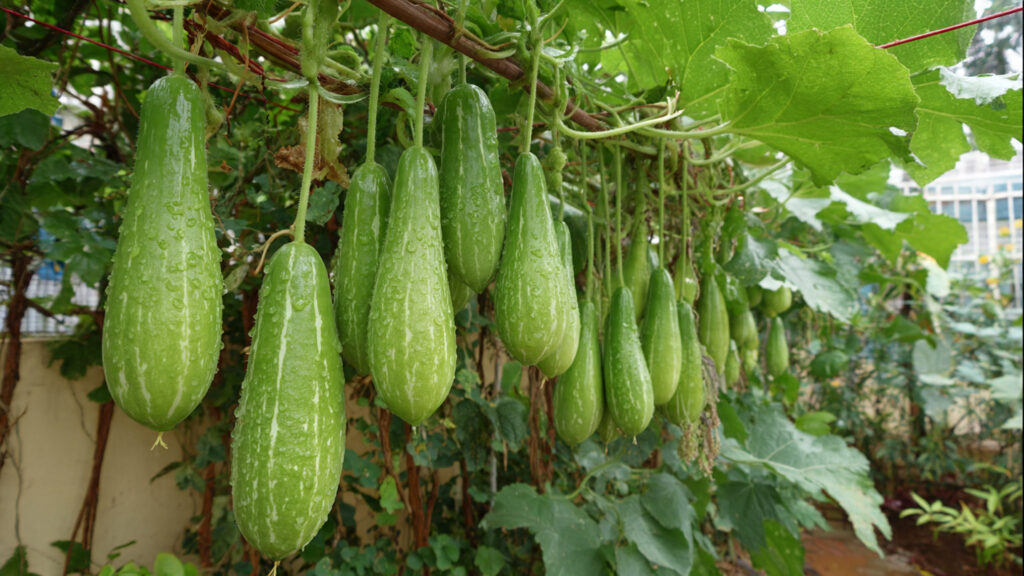
Luffa acutangula, commonly known as ridge gourd or angled luffa, is a popular vegetable in many Asian cuisines, valued for its tender flesh, delicate flavor, and high nutritional content. While ridge gourd vines naturally produce curved or twisted fruits, gardeners often seek straight, uniform fruits for cooking or selling. With the right techniques, growing straight ridge gourd fruits can be simple, requiring minimal effort while producing high-quality harvests.
This guide provides step-by-step instructions for cultivating straight ridge gourd fruits, covering everything from selecting the right variety, planting techniques, trellising, pruning, watering, fertilization, and pest management to harvesting. By following these practical methods, gardeners can enjoy abundant, straight, and tender ridge gourd fruits with ease.
Understanding Ridge Gourd Growth
Ridge gourd is a fast-growing, warm-season vine that thrives in tropical and subtropical climates. Understanding its growth habits is essential for producing straight fruits:
- Vine growth: Ridge gourd grows vigorously and requires support for climbing.
- Fruit development: Fruits grow along the vine and naturally bend if unsupported.
- Temperature preference: Optimal growth occurs between 75–85°F (24–29°C).
- Sunlight requirement: Full sun exposure for at least 6–8 hours per day promotes flowering and fruiting.
Knowing these characteristics helps gardeners plan support systems, pruning, and spacing to ensure straight, uniform fruit development.
Selecting the Right Variety
The first step in growing straight ridge gourd fruits is choosing a suitable variety. Some varieties are naturally straighter and more uniform than others:
- Pusa Nasdar: Produces long, straight fruits with minimal curves.
- Punjab Chhuhara: Known for uniform fruit shape and tender flesh.
- Pusa Sneha: Compact growth habit with straight, high-quality fruits.
- Arka Rakshak: Disease-resistant variety producing long, straight fruits.
Selecting a straight-fruited hybrid or open-pollinated variety reduces the need for additional interventions and ensures high-quality harvests.
Preparing the Soil
Ridge gourd prefers fertile, well-draining soil with good moisture retention. Proper soil preparation is key to healthy vine growth and straight fruits.
Soil Requirements:
- Loamy or sandy-loam soil enriched with organic matter.
- Slightly acidic to neutral pH (6.0–7.0).
- Loose soil that allows easy root expansion.
Soil Preparation Steps:
- Mix well-rotted compost or farmyard manure into the soil to enhance fertility.
- Add 10–20% sand if soil is heavy clay to improve drainage.
- Ensure the planting bed is raised slightly to prevent waterlogging.
Well-prepared soil provides nutrients, encourages strong roots, and supports the vine’s upright growth for straight fruit development.
Planting Ridge Gourd
Ridge gourd can be grown from seeds or nursery-raised seedlings. Both methods are suitable for home gardens or small-scale cultivation.
Seed Sowing:
- Soak seeds in warm water for 12–24 hours to improve germination.
- Sow seeds 1 inch deep and 18–24 inches apart to allow sufficient vine growth.
- Thin seedlings to one per hole after germination to prevent overcrowding.
Transplanting Seedlings:
- Use healthy seedlings 3–4 weeks old for transplanting.
- Transplant carefully to avoid root damage.
- Water immediately to settle the soil around the roots.
Proper planting ensures strong vine establishment and prepares the plant for upright growth.
Trellising for Straight Fruits
Supporting ridge gourd vines is the most critical step in growing straight fruits. Fruits naturally curve when left on the ground due to gravity.
➡️ How to Grow Malabar Spinach from Cuttings for Fast, Easy Greens
➡️ How to Grow Super Delicious Cabbage at Home Without a Garden
➡️ How to Grow Bean Sprouts at Home in Plastic Bottles Easily (Step‑by‑Step Guide)
➡️ Why is Your Lemon Tree Blooming in the Heart of Winter?
➡️ Why Should Your Garden Have a Dedicated Pollinator Highway?
➡️ Why Do Your Fruit Trees Need a Winter Wash to Thrive in Spring?
➡️ How Can Rice Water Transform Your Fruits into Sweeter Delights?
➡️ Jumpstart Your Winter Garden: Seed Starting Under Lights
Trellising Techniques:
- Use sturdy trellises, bamboo poles, or mesh nets to support vertical growth.
- Position trellises before planting to minimize root disturbance.
- Train vines to climb the trellis by gently tying them with soft twine.
- Space trellis poles 6–8 feet apart for larger plants to allow free vine expansion.
By supporting vines vertically, fruits hang straight and receive adequate sunlight and airflow, reducing curvature and improving overall quality.
Pruning and Pinching
Strategic pruning and pinching encourage healthy vine growth, uniform fruit development, and higher yields:
- Pinching tips: Pinch the main vine tip after 4–5 nodes to promote lateral branching.
- Remove excess lateral shoots: Focus energy on fewer flowers and fruits for straighter growth.
- Trim yellow or damaged leaves: Improves sunlight penetration and air circulation.
- Support developing fruits: Check vines regularly and adjust support to prevent bending under fruit weight.
Pruning maintains plant health and reduces stress on vines, allowing fruits to grow straight with minimal intervention.
Watering Practices
Ridge gourd requires consistent moisture for healthy growth and straight fruit development, but overwatering can cause root rot.
Watering Guidelines:
- Water deeply 2–3 times a week, depending on weather and soil type.
- Ensure soil is moist but not soggy.
- Use mulching to retain moisture and regulate soil temperature.
Consistent watering ensures strong vine growth, reduces stress on fruits, and helps maintain straight development.
Fertilization for High-Quality Fruits
Nutrient management is essential for vigorous vine growth and straight, uniform fruits.
Fertilization Guidelines:
- Apply a balanced NPK fertilizer (10:10:10) every 3–4 weeks during vegetative growth.
- Switch to high potassium fertilizer when flowering begins to support fruit formation.
- Supplement with compost or organic fertilizers for sustained nutrient release.
Adequate nutrition strengthens the vine and supports uniform fruit growth while reducing curvature.
Pollination
Ridge gourd has separate male and female flowers on the same plant, making pollination essential for fruit set.
Pollination Tips:
- Encourage pollinators like bees by planting companion flowers nearby.
- Hand-pollinate female flowers using a soft brush if natural pollinators are scarce.
- Ensure proper spacing between male and female flowers for effective pollen transfer.
Proper pollination leads to better fruit development, size, and straightness.
Pest and Disease Management
Ridge gourd is susceptible to pests and diseases that can affect fruit quality. Monitoring and early intervention are key:
Common Pests:
- Aphids, fruit flies, whiteflies. Use neem oil or insecticidal soap for control.
Common Diseases:
- Powdery mildew: Maintain good airflow and avoid overhead watering.
- Downy mildew: Plant resistant varieties and remove infected leaves promptly.
- Root rot: Ensure well-draining soil and avoid waterlogging.
Healthy, pest-free plants produce straighter, uniform fruits with minimal defects.
Harvesting Straight Ridge Gourd
Harvesting at the right time is crucial for tender, straight fruits:
- Harvest fruits when they are young, firm, and bright green.
- Use a sharp knife or scissors to cut fruits, avoiding damage to the vine.
- Harvest regularly to encourage continuous flowering and fruiting.
- Straight fruits are easier to store and use in cooking.
Consistent harvesting ensures ongoing fruit production and prevents over-maturity, which can lead to twisting or curling.
Benefits of Growing Straight Ridge Gourd
- Minimal effort: Proper trellising and pruning reduce the need for constant correction.
- Space-saving: Vertical growth is ideal for small urban gardens or balconies.
- High-quality produce: Straight fruits are visually appealing and easy to cook.
- Continuous harvest: With care, plants produce fruits over an extended period.
- Nutritional value: Fresh, homegrown ridge gourd is rich in fiber, vitamins, and minerals.
Growing ridge gourd with simple techniques allows urban gardeners to enjoy fresh, nutritious vegetables without extensive labor.
Final Thoughts
Growing straight ridge gourd fruits can be simple and rewarding with the right methods. By selecting a suitable hybrid or straight-fruited variety, preparing fertile soil, planting correctly, providing trellis support, and applying strategic pruning, watering, and fertilization, gardeners can produce high-quality, uniform fruits with minimal effort.
Pest management, pollination, and careful harvesting further enhance fruit quality and ensure continuous production. With consistent care and simple techniques, ridge gourd vines can thrive in urban gardens, balconies, or small terraces, providing nutritious, tender, and visually appealing fruits throughout the growing season.
By implementing these practical steps, even beginner gardeners can cultivate straight ridge gourd fruits effortlessly, combining convenience, efficiency, and satisfaction in home vegetable gardening.