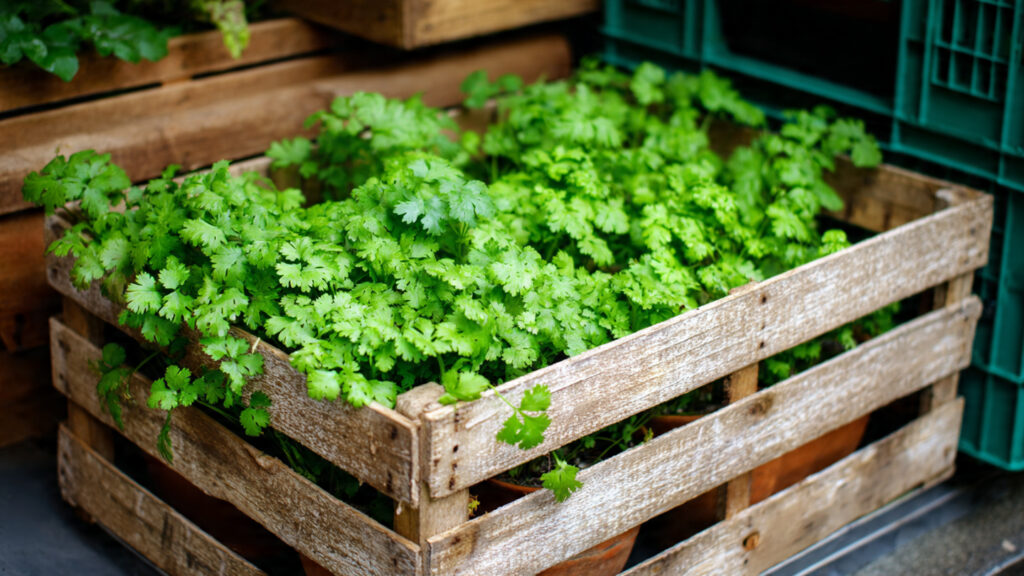
Coriander, also known as cilantro in many parts of the world, is one of the most versatile and aromatic herbs in your kitchen. Its fresh, citrusy leaves enhance curries, salads, salsas, and even beverages. However, maintaining a steady supply of fresh coriander can be tricky, especially in small urban spaces. Fortunately, with a bit of creativity, produce crates can be transformed into thriving herb gardens, allowing you to grow fresh coriander anywhere—even in compact apartments or terraces. In this guide, we’ll explore step-by-step strategies for turning ordinary crates into a flourishing coriander garden.
Why Grow Coriander at Home?
Before diving into crate gardening, it’s important to understand the benefits of growing coriander at home:
- Freshness: Store-bought coriander often loses flavor within a day or two. Home-grown leaves retain their full aroma and taste.
- Chemical-free produce: Growing your own ensures no harmful pesticides or chemicals touch your food.
- Cost-effective: Coriander seeds are inexpensive, and a few crates can produce months of fresh herbs.
- Accessibility: With produce crates, you can grow coriander in spaces where traditional gardening isn’t feasible, such as balconies, rooftops, and even windowsills.
Choosing the Right Crate for Your Herb Garden
Not all crates are suitable for herb gardening. Here are some tips to select the perfect one:
- Size matters: Coriander has a moderate root system. A crate that is at least 12–15 inches deep ensures healthy growth.
- Material: Wooden crates are ideal because they are sturdy, breathable, and retain moisture well. Plastic crates can also work, but ensure they have proper drainage holes.
- Drainage: Coriander roots dislike waterlogging. Drill holes at the bottom of the crate to prevent stagnant water, which can lead to root rot.
- Portability: If you live in a high-rise or limited space, lightweight crates are easier to move to catch sunlight or protect from harsh weather.
Preparing Your Crate for Planting
A properly prepared crate sets the foundation for a thriving coriander garden. Follow these steps:
- Cleaning: Wash the crate thoroughly to remove dirt, mold, or residual chemicals.
- Lining: Line the crate with a breathable cloth or coconut coir to prevent soil from leaking while allowing water drainage.
- Soil mixture: Use a light, nutrient-rich soil mix. A combination of garden soil, compost, and sand in a 2:1:1 ratio works well. The compost provides essential nutrients, while sand improves drainage.
- Moisture check: Before planting seeds, moisten the soil lightly. The soil should be damp but not soggy.
Planting Coriander Seeds in Crates
Coriander is easy to grow from seeds. Here’s how to plant them in crates for maximum yield:
- Seed selection: Choose high-quality, fresh coriander seeds. Organic seeds tend to germinate faster and produce healthier plants.
- Soaking seeds: Soak seeds in water for 12–24 hours. This speeds up germination and increases success rates.
- Planting depth: Sow seeds about ¼ inch deep in rows spaced 4–6 inches apart. This spacing allows room for roots to grow and leaves to expand.
- Cover lightly: Cover the seeds with a thin layer of soil and gently pat down. Avoid compacting the soil.
- Watering: Mist the soil lightly to keep it consistently damp during germination.
Caring for Your Coriander Crate Garden
Once your seeds germinate (usually within 7–14 days), your focus should shift to nurturing healthy plants.
1. Sunlight
Coriander thrives in full sun to partial shade. Place your crate in a location that receives at least 4–6 hours of sunlight daily. In hot climates, a few hours of afternoon shade can prevent leaves from bolting prematurely.
2. Watering
Keep the soil consistently moist but never waterlogged. The ideal method is gentle watering at the base of the plant, avoiding wetting the leaves, which can invite fungal infections.
3. Fertilization
Organic fertilizers like compost tea, vermicompost, or diluted liquid manure work best. Feed the plants every 2–3 weeks to encourage lush, flavorful growth. Avoid excessive nitrogen, as it can make the leaves taste bland.
4. Pruning and Harvesting
Regular harvesting stimulates new growth. Trim the outer leaves first, leaving the inner leaves to continue growing. Avoid cutting the entire plant at once unless you are harvesting mature seeds for coriander spice.
Tips to Prevent Pests and Diseases
Coriander is relatively hardy, but certain pests and diseases can affect your crate garden.
- Aphids and whiteflies: Spray a mixture of neem oil and water on affected leaves.
- Powdery mildew: Ensure proper spacing between plants for airflow. Avoid overhead watering.
- Slugs and snails: Use natural repellents like crushed eggshells around the crate edges.
Extending the Life of Your Coriander Crate Garden
Coriander has a tendency to bolt (flower and go to seed) in hot weather. To extend the harvest:
- Succession planting: Sow a new batch of seeds every 2–3 weeks. This ensures continuous supply.
- Shade management: Move crates to shaded areas during peak summer to prevent bolting.
- Soil refresh: Replace the top 2 inches of soil with fresh compost every few months to replenish nutrients.
Creative Ways to Use Crate-Grown Coriander
Your home-grown coriander can enhance more than just meals:
- Culinary delight: Add fresh leaves to salads, curries, chutneys, salsas, and soups.
- Garnishing: Use for plating to give dishes a fresh, vibrant look.
- Seed harvest: Allow some plants to mature and produce coriander seeds for future planting or spice use.
- DIY herb blends: Mix with parsley, mint, or basil from other crates to create aromatic herb bundles.
Benefits of Using Produce Crates for Herbs
Produce crates are more than just containers; they offer several advantages for urban gardeners:
- Recycling and sustainability: Using crates repurposes materials that might otherwise go to waste.
- Space optimization: Crates can be stacked vertically or arranged on shelves, making them ideal for small spaces.
- Mobility: Easily move crates indoors during extreme weather or to adjust sunlight exposure.
- Cost-effective gardening: Crates are affordable, lightweight, and reusable.
Conclusion
Growing fresh coriander in produce crates is a simple, sustainable, and rewarding way to enjoy aromatic herbs year-round. Whether you’re a city dweller with a balcony or someone looking to maximize small spaces, this approach allows you to cultivate healthy coriander with minimal effort. By selecting the right crate, preparing nutrient-rich soil, sowing seeds correctly, and caring for your plants diligently, you can enjoy a continuous harvest of fresh, flavorful coriander. Beyond the culinary benefits, this method promotes a greener lifestyle, reduces dependency on store-bought herbs, and brings the joy of gardening right to your doorstep.
➡️ How to Grow Malabar Spinach from Cuttings for Fast, Easy Greens
➡️ How to Grow Super Delicious Cabbage at Home Without a Garden
➡️ How to Grow Bean Sprouts at Home in Plastic Bottles Easily (Step‑by‑Step Guide)
➡️ Why is Your Lemon Tree Blooming in the Heart of Winter?
➡️ Why Should Your Garden Have a Dedicated Pollinator Highway?
➡️ Why Do Your Fruit Trees Need a Winter Wash to Thrive in Spring?
➡️ How Can Rice Water Transform Your Fruits into Sweeter Delights?
➡️ Jumpstart Your Winter Garden: Seed Starting Under Lights
So, grab a crate, plant some seeds, and watch as your coriander garden transforms any corner of your home into a lush, fragrant haven. Your kitchen—and your taste buds—will thank you!