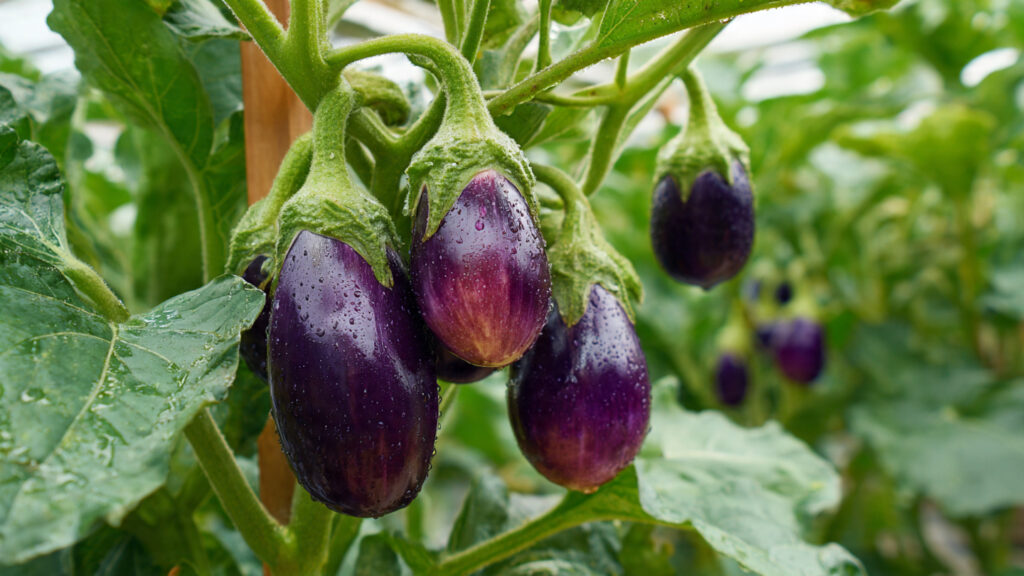
Eggplant, also known as aubergine or brinjal, is a versatile and nutritious vegetable loved in cuisines worldwide. From savory curries and stir-fries to baked and grilled dishes, eggplants are a staple in many kitchens. For gardeners, the goal is often not just to grow eggplants but to maximize yield, producing more fruits that are uniform, healthy, and flavorful. Achieving high yields requires a combination of the right variety selection, soil preparation, planting methods, nutrient management, pruning, and pest control. This guide will provide you with practical, step-by-step strategies to get more eggplants in your garden.
Understanding Eggplant Growth Requirements
Before diving into high-yield techniques, it’s important to understand what eggplants need to thrive:
- Climate: Eggplants are warm-season vegetables. They grow best in temperatures between 21°C and 30°C. Temperatures below 18°C can slow growth, while above 35°C can reduce fruit set.
- Soil: Eggplants prefer well-draining, fertile soil rich in organic matter. A slightly acidic to neutral pH (6.0–6.8) is ideal. Heavy clay or waterlogged soil can cause root rot and poor fruit development.
- Sunlight: Full sunlight is crucial. Eggplants need at least 6–8 hours of direct sunlight daily to produce large, healthy fruits.
- Water: Consistent moisture is important. Irregular watering can lead to blossom-end rot, cracking, or bitter fruits.
Ensuring these basic conditions sets the stage for a productive garden.
Choosing High-Yield Eggplant Varieties
The first step in maximizing harvest is selecting varieties known for productivity and quality. Popular high-yield varieties include:
- Black Beauty – Classic variety with large, glossy fruits.
- Long Purple – Produces long, uniform fruits suitable for stir-fries and baking.
- Early Long Purple – Matures quickly and gives multiple harvests per season.
- Hybrid Varieties – Many hybrid eggplants are bred for higher yields, disease resistance, and consistent fruit size.
Choosing the right variety ensures the plant’s genetic potential aligns with your yield goals.
Preparing Your Garden for Maximum Production
High yields begin with good garden preparation:
- Soil Enrichment: Incorporate 2–3 kg of well-decomposed compost or organic manure per square meter. This improves soil fertility and water retention.
- Raised Beds: Eggplants do best in raised beds or mounds to prevent waterlogging and promote root health.
- Spacing: Proper spacing allows adequate airflow and sunlight exposure, reducing disease risk. Plant eggplants 45–60 cm apart with 60–75 cm between rows.
- Mulching: Use organic mulch such as straw or leaves to retain soil moisture, suppress weeds, and maintain a stable soil temperature.
Starting Seeds for a Head Start
Starting eggplants from seeds indoors or in a seedbed ensures strong, healthy seedlings:
- Sow seeds 8–10 weeks before the last expected frost.
- Use seed trays or small pots with a light, well-draining soil mix.
- Maintain temperatures around 25°C for germination.
- Provide 12–16 hours of light daily, either naturally or with grow lights.
- Transplant seedlings when they are 15–20 cm tall and have 4–6 true leaves.
Healthy seedlings establish quickly in the garden, promoting faster growth and higher yields.
Fertilization and Nutrient Management
Eggplants are heavy feeders, and proper nutrition is key for high yields:
- Nitrogen (N) – Encourages leaf and stem growth. Too much can lead to excessive foliage at the expense of fruits.
- Phosphorus (P) – Supports flowering and root development. Apply at planting and during early growth.
- Potassium (K) – Essential for fruit development, size, and quality. Split applications during flowering and fruiting boost yields.
- Micronutrients – Calcium prevents blossom-end rot, while magnesium and zinc support healthy growth. Foliar sprays can be used for fast nutrient uptake.
Tip: Fertilize regularly but avoid over-fertilization, which can reduce fruit quality.
Pruning and Plant Training
Pruning is often overlooked but is critical for maximizing fruit production:
- Remove the first few flowers in the early growth stage to allow the plant to focus on strong vegetative growth.
- Pinch off weak or crowded branches to ensure sunlight reaches the main stems and fruits.
- Trim old or yellowing leaves to improve airflow, reducing disease risk.
- Support plants with stakes or cages to prevent branches from breaking under heavy fruits.
By directing energy into fewer, stronger branches, plants produce larger fruits and continuous harvests.
Pollination Techniques
Eggplants rely on insects and wind for pollination. In small gardens, you can improve fruit set by:
- Shaking the plant gently during flowering to help pollen reach the stigma.
- Attracting pollinators like bees with companion plants such as marigold or borage.
- Avoiding excessive nitrogen at flowering, which can reduce flower formation.
Better pollination directly translates into more fruits per plant.
Water Management
Consistent watering is crucial for high yields and fruit quality:
➡️ How to Grow Malabar Spinach from Cuttings for Fast, Easy Greens
➡️ How to Grow Super Delicious Cabbage at Home Without a Garden
➡️ How to Grow Bean Sprouts at Home in Plastic Bottles Easily (Step‑by‑Step Guide)
➡️ Why is Your Lemon Tree Blooming in the Heart of Winter?
➡️ Why Should Your Garden Have a Dedicated Pollinator Highway?
➡️ Why Do Your Fruit Trees Need a Winter Wash to Thrive in Spring?
➡️ How Can Rice Water Transform Your Fruits into Sweeter Delights?
➡️ Jumpstart Your Winter Garden: Seed Starting Under Lights
- Use drip irrigation for steady soil moisture without overwatering.
- Avoid wetting foliage to reduce fungal disease risk.
- During fruit development, slightly reduce water supply to encourage concentration of sugars, leading to sweeter eggplants.
Mulching helps maintain soil moisture, reducing stress on the plants during hot weather.
Pest and Disease Control
Healthy plants yield more fruits. Protect your eggplants from common pests and diseases:
- Aphids and Whiteflies – Use neem oil sprays or introduce beneficial insects like ladybugs.
- Fungal Diseases – Ensure proper spacing, prune crowded foliage, and avoid overhead watering.
- Fruit Borers – Inspect fruits regularly and remove any infested ones.
- Rot Prevention – Remove damaged fruits and maintain good drainage to prevent soil-borne diseases.
Integrated Pest Management (IPM) ensures continuous growth and maximizes harvest.
Harvesting for Continuous Production
Proper harvesting encourages the plant to produce more fruits:
- Harvest eggplants when the skin is shiny and firm. Overripe fruits become bitter and reduce further production.
- Use a sharp knife or pruning shears to cut the fruit along with a small portion of the stem.
- Harvest every 2–3 days during peak season to keep plants productive.
- Removing mature fruits signals the plant to form new flowers and fruits, ensuring a continuous yield.
Companion Planting for Better Yields
Companion planting can enhance growth and reduce pest pressure:
- Basil – Improves flavor and repels pests.
- Marigold – Reduces nematodes and attracts pollinators.
- Spinach or Lettuce – Can be planted in-between rows to suppress weeds and retain moisture.
These companion plants create a healthier environment for eggplants and contribute indirectly to higher yields.
Extending the Growing Season
For gardeners in regions with shorter growing seasons, extending production is possible:
- Start seedlings indoors for an early start.
- Use row covers or tunnels to protect plants from cold or heavy rain.
- Maintain consistent care through fertilization, watering, and pruning to ensure plants remain productive until the first frost.
Conclusion
Growing more eggplants with high yields is not just about planting seeds; it’s about strategic planning, proper care, and timely interventions. By selecting high-yield varieties, preparing nutrient-rich soil, managing pruning and irrigation, controlling pests and diseases, and harvesting properly, gardeners can significantly increase both the quantity and quality of their eggplant harvests.
Implementing these tips ensures bigger, healthier, and more flavorful eggplants throughout the season. Whether you are a home gardener looking to feed your family or a small-scale farmer aiming for maximum output, these techniques can transform your eggplant garden into a high-yielding, productive oasis.
With consistent effort and attention to detail, your garden can become a reliable source of abundant eggplants, offering fresh produce for weeks or even months. By combining modern techniques with traditional gardening wisdom, you’ll enjoy continuous harvests, better fruit quality, and a truly satisfying gardening experience.