Growing fresh, juicy melons in your own backyard is one of the most satisfying experiences for home gardeners. Imagine stepping outside your house, plucking a perfectly ripe melon, and enjoying the natural sweetness that comes straight from your garden. Not only is it delicious, but growing melons beside your house can also save money, reduce grocery trips, and add a touch of greenery to your outdoor space.
For home gardeners, melons may seem tricky to cultivate at first, but with the right method, anyone can enjoy a successful harvest. In this article, we’ll explore easy and practical steps for growing melons beside your house, including soil preparation, planting techniques, watering, and care tips.
Why Grow Melons Beside Your House?
Growing melons near your home has several advantages. First, it gives you easy access for regular care and monitoring. Melons are sensitive to pests and require proper sunlight and water. By planting them close to your house, you can:
- Keep an eye on plant health daily
- Protect them from animals and harsh weather
- Easily manage watering and fertilization
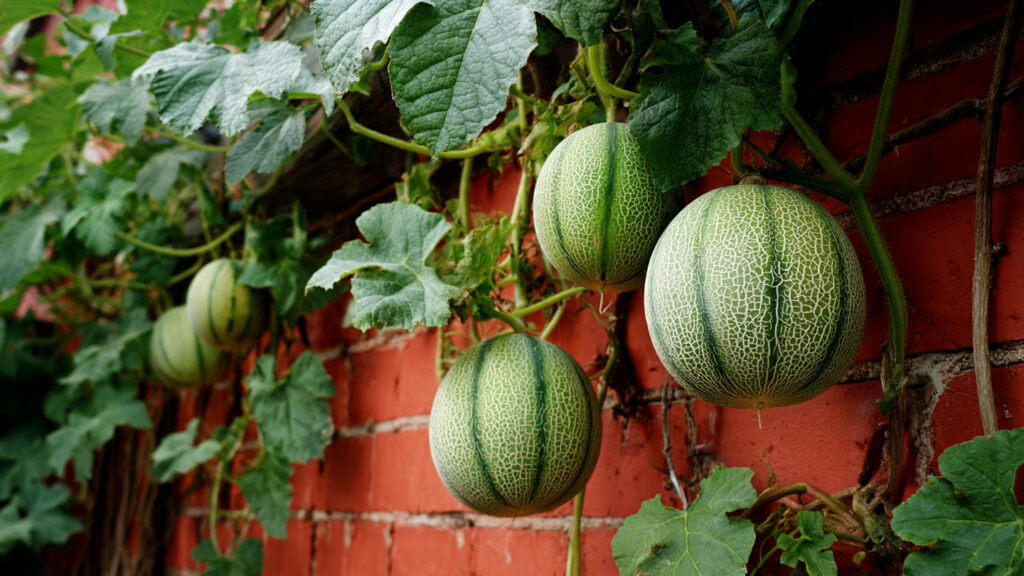
Moreover, the warmth from your home can create a slightly microclimate that benefits melon growth. Walls and structures can reflect sunlight and provide some shelter from wind, which helps vines grow strong and fruits ripen evenly.
Choosing the Right Melon Variety
Before planting, select a melon variety suited to your climate and space. Popular options for home gardeners include:
- Cantaloupe (Muskmelon) – Sweet, orange-fleshed melons that thrive in warm weather
- Watermelon – Large, juicy fruits ideal for hot climates
- Honeydew – Smooth-skinned melons with light green flesh
- Galia – Small, sweet melons perfect for container gardening
For small spaces beside your house, consider compact or bush varieties, as they require less room to grow and produce well in containers or raised beds.
Preparing the Soil
Melons grow best in loamy, well-draining soil enriched with organic matter. Since you’re planting near your house, you may need to amend your garden soil. Here’s how:
- Test the soil – Ensure it has a pH between 6.0 and 7.0, ideal for melons.
- Add compost or organic manure – This improves fertility and soil structure.
- Ensure proper drainage – Avoid low spots where water can stagnate, as melons are prone to root rot.
- Create mounds – Planting melons on small soil mounds or hills encourages drainage and gives vines a head start.
By preparing your soil carefully, you give your melon plants a strong foundation for healthy growth and fruit production.
Planting Melons Beside Your House
Timing and spacing are crucial when planting melons. These warm-season plants need plenty of sunlight—at least 6 to 8 hours a day. Choose a location near the south or west side of your house to maximize sunlight exposure.
Steps for Planting:
- Sow seeds – Plant 2–3 seeds per mound, about 1 inch deep.
- Thin seedlings – Once the seedlings emerge, select the strongest one per mound to grow.
- Space plants properly – Leave at least 2–3 feet between mounds for smaller varieties and 4–6 feet for larger ones like watermelon.
If you have limited ground space, melons can also grow vertically using trellises. Vining varieties like cantaloupe and honeydew can climb supports, saving space and improving airflow, which reduces the risk of fungal diseases.
Watering and Care Tips
Melons need consistent moisture, especially during flowering and fruit set. However, too much water can harm the roots or cause fruits to crack. Follow these tips:
- Water deeply once or twice a week rather than frequent shallow watering.
- Use drip irrigation or soaker hoses to keep leaves dry and reduce fungal problems.
- Mulch around the base – Organic mulch such as straw or shredded leaves helps retain soil moisture, regulate temperature, and prevent weed growth.
Fertilization
Melons are heavy feeders. To encourage strong growth and sweet fruits:
- Apply a balanced fertilizer at planting time.
- Side-dress with nitrogen-rich fertilizer when vines begin to run.
- Switch to a phosphorus and potassium-rich fertilizer once flowers start forming to support fruit development.
Regular feeding helps plants grow vigorously and produce larger, sweeter melons.
Pollination for a Better Harvest
Melons have separate male and female flowers, and proper pollination is essential for fruit formation. Bees are the primary pollinators, but if your garden lacks pollinators, you can hand-pollinate:
- Gently transfer pollen from male flowers to female flowers using a soft brush.
- Female flowers are easy to spot—they have a small swelling at the base, which will become the fruit.
Hand pollination can significantly improve the quantity and quality of your harvest, especially in small home gardens.
➡️ How to Grow Malabar Spinach from Cuttings for Fast, Easy Greens
➡️ How to Grow Super Delicious Cabbage at Home Without a Garden
➡️ How to Grow Bean Sprouts at Home in Plastic Bottles Easily (Step‑by‑Step Guide)
➡️ Why is Your Lemon Tree Blooming in the Heart of Winter?
➡️ Why Should Your Garden Have a Dedicated Pollinator Highway?
➡️ Why Do Your Fruit Trees Need a Winter Wash to Thrive in Spring?
➡️ How Can Rice Water Transform Your Fruits into Sweeter Delights?
➡️ Jumpstart Your Winter Garden: Seed Starting Under Lights
Pest and Disease Management
Growing melons beside your house can expose them to common pests like aphids, cucumber beetles, and spider mites. Fungal diseases such as powdery mildew can also occur if humidity is high. To protect your plants:
- Inspect leaves regularly for pests.
- Use organic solutions such as neem oil sprays or insecticidal soap for control.
- Ensure proper spacing and airflow to reduce fungal issues.
- Remove any diseased leaves promptly to prevent spread.
A little vigilance goes a long way in keeping melon plants healthy.
Harvesting Your Melons
Knowing when to harvest is key for enjoying sweet, juicy melons. Here are some indicators:
- Cantaloupes – The stem will start to separate easily from the fruit when ripe.
- Watermelons – The underside touching the soil turns creamy yellow, and the tendril nearest to the fruit dries out.
- Honeydew – The fruit will have a waxy feel, and its color changes to creamy white or pale yellow.
Harvesting at the right time ensures optimal flavor and sweetness. Avoid picking too early, as melons do not continue to ripen well off the vine.
Additional Tips for Home Gardeners
- Rotate crops – Avoid planting melons in the same spot year after year to reduce soil-borne diseases.
- Support heavy fruits – If growing vertically, use nets or slings to support developing melons.
- Experiment with companion plants – Planting marigolds or basil nearby can help repel pests.
- Keep vines contained – Train them along trellises or pathways to prevent overcrowding.
With these simple steps, even first-time gardeners can achieve a fruitful melon harvest beside their home.
Enjoying the Fruits of Your Labor
There’s something magical about growing melons beside your house. From planting tiny seeds to harvesting plump, sun-ripened fruits, home gardening is rewarding in every sense. Beyond the delicious taste, melons offer hydration, vitamins, and fiber, making them a nutritious addition to your diet.
Plus, the experience fosters a deeper connection with nature and promotes sustainability. Growing your own food reduces dependence on store-bought produce, cuts down on packaging waste, and gives you control over what goes into your garden.
Final Thoughts
Melons are not just a summer treat—they are a testament to the joy of gardening. By following easy and practical methods, any home gardener can grow melons beside their house and enjoy a bountiful harvest. From preparing the soil and planting the seeds to caring for vines and harvesting ripe fruits, every step brings a sense of satisfaction and accomplishment.
Whether you have a small backyard, a container garden, or a trellis along your home wall, growing melons is achievable and rewarding. With patience, proper care, and a little love for your garden, you’ll soon be savoring the sweet, juicy fruits you nurtured yourself—right outside your doorstep.