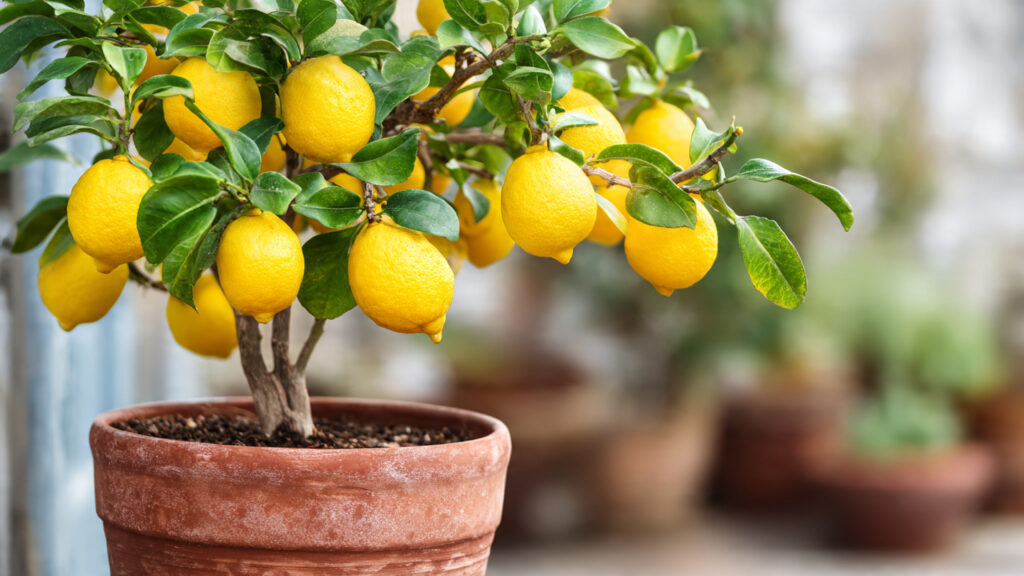
Few things are as satisfying as harvesting fresh lemons straight from your own garden. Whether you’re a seasoned gardener or a complete beginner, growing a lemon tree from seeds is an incredibly rewarding experience. Not only does it add a splash of greenery to your home or garden, but it also provides fresh, tangy fruits that can elevate your cooking, drinks, and desserts. This step-by-step guide will take you from seed to a flourishing lemon tree, with practical tips to ensure your success.
Why Grow a Lemon Tree from Seeds?
Many people wonder why they should bother growing a lemon tree from seeds instead of buying a young sapling. There are several compelling reasons:
- Cost-Effective – Seeds are much cheaper than purchasing an established tree. You can grow multiple trees from a single lemon.
- Fun and Educational – For families and gardening enthusiasts, sprouting seeds is a great way to learn about plant life cycles.
- Variety and Personalization – You can experiment with different lemon varieties or even graft seeds onto existing trees to create unique hybrids.
- Satisfaction of Growth – There’s something deeply fulfilling about watching a tiny seed transform into a fruit-bearing tree.
Growing from seed does take patience—lemons grown this way may take several years to bear fruit—but the process is rewarding and a true testament to your gardening skills.
Step 1: Choose the Right Lemon and Prepare the Seeds
Start with a fresh, healthy lemon. Organic lemons are best because untreated seeds are more likely to germinate. Follow these steps:
- Select a ripe lemon – Look for a fruit that feels firm, heavy, and has a bright yellow color.
- Extract the seeds carefully – Slice the lemon and remove the seeds without damaging them.
- Clean the seeds – Rinse the seeds under cool water to remove any pulp, which can encourage mold growth. Some gardeners soak seeds in water for 24 hours to soften the seed coat and promote quicker germination.
- Optional – Lightly scrape the outer coating of the seed with a fingernail or sandpaper to improve water absorption.
Step 2: Germinate the Seeds
Germination is the crucial first step. Lemon seeds generally sprout within 2-3 weeks if given the right conditions.
- Paper Towel Method:
- Moisten a paper towel and place the seeds inside.
- Fold the towel over the seeds and place it in a plastic bag to maintain humidity.
- Keep it in a warm, dark place, ideally around 70–80°F (21–27°C).
- Soil Method:
- Fill a small pot with a light, well-draining potting mix.
- Plant each seed about ½ inch deep.
- Water lightly and cover with a plastic dome or plastic wrap to maintain moisture.
Tip: Check daily to ensure the seeds stay moist but not waterlogged.
Step 3: Transplant Seedlings to Pots
Once the seeds sprout and tiny green shoots appear, it’s time to transplant them to individual pots:
- Choose the right pot – Start with small pots (4–6 inches) with drainage holes.
- Potting soil – Use a mix of peat moss, sand, and perlite for good aeration and drainage.
- Planting depth – Make a small hole, gently place the sprouted seedling, and cover lightly with soil.
- Water carefully – Keep the soil slightly moist; avoid overwatering as it can rot the young roots.
Seedlings are delicate, so handle them gently and keep them in a warm, sunny location.
Step 4: Provide Optimal Growing Conditions
Lemon trees thrive under specific conditions. To encourage strong growth:
- Sunlight: Place your lemon tree where it gets at least 8–10 hours of direct sunlight each day. If growing indoors, a south-facing window or supplemental grow lights work well.
- Temperature: Lemons prefer warm temperatures, ideally between 70–85°F (21–29°C). Protect them from cold drafts or frost.
- Humidity: While lemon trees tolerate low humidity, they thrive in moderate humidity. Mist the leaves occasionally, especially indoors.
- Watering: Maintain consistent moisture. Water thoroughly but allow the top inch of soil to dry out between watering.
- Fertilizing: Start feeding with a balanced, slow-release citrus fertilizer about 2 months after sprouting. Increase frequency as the tree grows.
Step 5: Pruning and Maintenance
Pruning helps your lemon tree grow strong and produce fruit. Here’s how to keep it healthy:
- Remove weak or damaged branches – This allows energy to go into stronger branches.
- Shape the tree – Encourage a bushy form by trimming the tips of new shoots.
- Watch for pests – Common pests include aphids, spider mites, and scale. Use neem oil or insecticidal soap for natural protection.
- Regularly check soil and water – Healthy roots mean a healthy tree.
Step 6: Pollination Tips
Lemon trees can self-pollinate, but hand pollination can increase fruit yield, especially indoors:
- Use a small brush or cotton swab to transfer pollen from flower to flower.
- Open blossoms in the morning when pollen is most active.
- Repeat for several flowers to encourage multiple fruits.
Step 7: Patience Pays Off – Fruit Development
Growing a lemon tree from seed requires patience. Typically, seed-grown trees may take 3–5 years to produce their first fruit. While this may seem long, proper care will ensure a fruitful harvest:
- Monitor growth stages – Leaves, new shoots, and flowers indicate the tree is maturing.
- Support branches – As fruits develop, use small stakes to support heavy branches.
- Harvest at the right time – Lemons are ready to pick when fully yellow and slightly soft to the touch.
Step 8: Tips for Indoor vs Outdoor Growth
- Indoor growth: Ideal for colder climates. Use large pots, ensure adequate sunlight, and maintain humidity. Regular rotation helps even growth.
- Outdoor growth: Suitable for warmer climates. Plant in well-draining soil with full sun exposure. Protect young trees from wind and frost.
Common Mistakes to Avoid
- Overwatering – Causes root rot.
- Insufficient sunlight – Stunts growth and reduces fruiting.
- Ignoring pests – Aphids and spider mites can weaken trees.
- Rushing fertilization – Start slow to avoid burning young roots.
- Impatience – Seed-grown lemon trees take time. Careful nurturing is key.
Benefits of Growing Your Own Lemon Tree
- Fresh, pesticide-free lemons at your fingertips.
- Aromatic leaves for teas and cooking.
- Decorative greenery that enhances your indoor or outdoor space.
- Sense of accomplishment from nurturing a tree from seed.
Conclusion
Growing a lemon tree from seeds is a journey of patience, care, and reward. With a little attention to sunlight, watering, and pruning, you can watch your tiny seed transform into a fruit-bearing tree that brings vibrant lemons into your kitchen for years to come. Whether you want a single potted lemon tree indoors or a full outdoor orchard, following this beginner-friendly guide sets you up for success.
Remember, the joy isn’t just in harvesting the fruits—it’s in every step of nurturing a seed into a living, thriving tree. Start your lemon-growing journey today and enjoy the fresh, zesty rewards of your efforts!
➡️ How to Grow Malabar Spinach from Cuttings for Fast, Easy Greens
➡️ How to Grow Super Delicious Cabbage at Home Without a Garden
➡️ How to Grow Bean Sprouts at Home in Plastic Bottles Easily (Step‑by‑Step Guide)
➡️ Why is Your Lemon Tree Blooming in the Heart of Winter?
➡️ Why Should Your Garden Have a Dedicated Pollinator Highway?
➡️ Why Do Your Fruit Trees Need a Winter Wash to Thrive in Spring?
➡️ How Can Rice Water Transform Your Fruits into Sweeter Delights?
➡️ Jumpstart Your Winter Garden: Seed Starting Under Lights