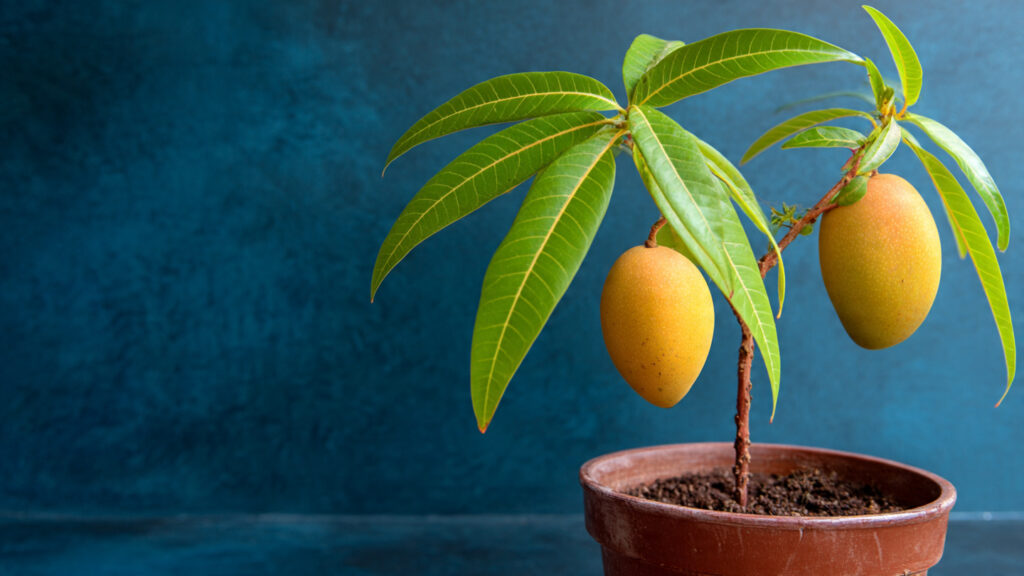
Mangoes are beloved worldwide for their sweet, juicy flesh and tropical flavor. While growing mango trees in gardens is common, many people wonder if they can start mango trees indoors from seeds. The answer is yes—and with the right techniques, you can encourage fast germination right in your home. Indoor mango seed germination not only saves money but also allows you to grow a tree that will eventually bear delicious, homegrown mangoes. In this guide, we explore seven quick, easy, and effective tricks to get your mango seeds sprouting fast indoors.
Why Indoor Mango Germination Works
Mango seeds, when fresh and properly prepared, are surprisingly resilient. Unlike other fruit seeds that require complex stratification or months of waiting, mango seeds can sprout quickly if given warmth, moisture, and oxygen. Starting seeds indoors offers several benefits:
- Controlled Environment: Indoors, you can maintain optimal temperature, humidity, and light levels.
- Protection from Pests: Seeds are safe from birds, insects, and harsh weather during early germination.
- Faster Growth: Consistent care indoors encourages quicker root and shoot development.
- Observation Opportunity: Indoor germination allows you to monitor progress closely and learn from each attempt.
Understanding the natural needs of a mango seed—warmth, moisture, and proper handling—is key to using these tricks effectively.
1. Choose Fresh, Healthy Mango Seeds
The first trick for fast germination is selecting the right seed. Mango seeds lose viability quickly, so freshness is critical.
Steps:
- Choose a fully ripe mango, ideally freshly purchased.
- Cut the fruit carefully and remove the seed from the hard shell.
- Wash off any remaining pulp to prevent mold or bacterial growth.
- Examine the seed for cracks or discoloration—healthy seeds are firm and intact.
Using a fresh, viable seed sets the stage for faster and more successful sprouting.
2. Remove the Hard Outer Shell (Husk)
One of the quickest ways to encourage germination is by carefully opening the seed husk. Mango seeds have a tough outer shell that slows water absorption and root emergence.
Steps:
- Gently crack the shell using a nutcracker or a small hammer. Avoid damaging the inner kernel.
- Carefully remove the husk to expose the inner seed.
- Rinse the seed and let it air-dry for a few hours before planting.
By removing the shell, water and oxygen can penetrate more easily, speeding up the germination process significantly.
3. Soak Seeds in Warm Water
Soaking mango seeds softens them and jumpstarts germination.
Steps:
- Place the cleaned seed in a bowl of warm water (around 25–30°C or 77–86°F).
- Let it soak for 24 hours.
- Change the water if it becomes cloudy or smells to prevent bacterial growth.
Soaking mimics the natural conditions of the rainy season when mango seeds would normally absorb moisture and begin sprouting. This simple trick can reduce germination time from several weeks to just 10–14 days.
4. Use a Paper Towel Germination Method
The paper towel method is a fast and reliable indoor technique for mango seeds.
Steps:
- Dampen a paper towel with warm water—do not soak it.
- Place the seed inside the paper towel and fold it gently around the seed.
- Put the towel in a plastic bag or container to maintain humidity.
- Keep the setup in a warm spot, such as near a sunny window or on top of a refrigerator.
- Check the seed daily and mist the towel if it begins to dry out.
This method creates a mini-greenhouse effect, ensuring the seed stays moist, warm, and oxygenated, which dramatically speeds up sprouting.
➡️ How to Grow Malabar Spinach from Cuttings for Fast, Easy Greens
➡️ How to Grow Super Delicious Cabbage at Home Without a Garden
➡️ How to Grow Bean Sprouts at Home in Plastic Bottles Easily (Step‑by‑Step Guide)
➡️ Why is Your Lemon Tree Blooming in the Heart of Winter?
➡️ Why Should Your Garden Have a Dedicated Pollinator Highway?
➡️ Why Do Your Fruit Trees Need a Winter Wash to Thrive in Spring?
➡️ How Can Rice Water Transform Your Fruits into Sweeter Delights?
➡️ Jumpstart Your Winter Garden: Seed Starting Under Lights
5. Pre-Germinate Using Soil or Potting Mix
If you prefer to germinate directly in soil, the right soil conditions can accelerate growth.
Steps:
- Use a well-draining potting mix, such as a blend of garden soil, sand, and compost.
- Plant the seed about 1 inch deep, with the concave side facing down.
- Water lightly to moisten the soil, but avoid waterlogging.
- Cover the pot with plastic wrap or a clear container to retain humidity.
- Keep in a warm location, ideally 25–30°C (77–86°F).
Regularly check soil moisture, and soon you’ll notice a tiny sprout emerging from the seed. This method is ideal for those who want the seed to transition smoothly into pot growth.
6. Apply Natural Growth Boosters
Certain natural substances can encourage faster root development.
Options:
- Coconut Water: Rich in natural plant hormones, soaking seeds in fresh coconut water for 12–24 hours can stimulate faster sprouting.
- Honey or Aloe Gel: A thin coating of honey or aloe gel on the seed surface before planting can protect against pathogens and promote growth.
- Compost Tea: Spraying a diluted compost tea around the seed’s base can provide nutrients that speed root initiation.
These natural growth boosters are safe and eco-friendly, adding a healthy head start to your mango seeds.
7. Maintain Optimal Indoor Conditions
Even with all the previous tricks, environmental conditions play a huge role in germination speed.
Key factors:
- Temperature: Mango seeds germinate fastest in warm conditions (25–30°C). Avoid cold drafts or overly air-conditioned rooms.
- Humidity: High humidity helps prevent the seed from drying out. Plastic covers or enclosed containers help retain moisture.
- Light: Indirect sunlight is ideal. Too much direct sun can overheat the seed, while too little slows growth.
- Airflow: While humidity is essential, some ventilation is necessary to prevent mold. Open the cover for a few minutes daily.
By carefully managing these factors, you can maximize the success rate and speed of germination.
Transitioning Germinated Seeds to Pots
Once your mango seed has sprouted and the root is a few inches long, it’s time to plant it in soil:
- Prepare a small pot with well-draining soil.
- Make a small hole and gently place the sprouted seed with the root facing downward.
- Cover lightly with soil and water gently.
- Keep the pot in bright, indirect sunlight for several weeks until the seedling develops strong roots and leaves.
- Gradually acclimate the young mango plant to more direct light as it grows.
Proper transplanting ensures your young mango plant establishes well and continues to grow into a healthy tree.
Common Mistakes to Avoid
Even with these tricks, some common mistakes can slow or prevent germination:
- Using Old or Dry Seeds: Seeds more than a few weeks old may not sprout.
- Overwatering: Excess water can rot seeds or seedlings. Keep soil or paper towels moist, not soaked.
- Too Much Sun: Direct, harsh sunlight can dry out or scorch seeds.
- Ignoring Temperature: Cold rooms or drafts significantly slow germination.
- Rushing Transplanting: Moving seeds to soil before roots develop can cause failure.
By avoiding these mistakes, you give your mango seeds the best chance for fast and successful germination.
Benefits of Indoor Mango Seed Germination
Growing mango seeds indoors offers several advantages:
- Convenience: You can germinate seeds year-round, regardless of outdoor weather.
- Observation and Learning: You can watch the entire germination process up close.
- Cost Savings: Seeds from store-bought mangoes are free and easy to germinate.
- Early Fruit Production: Indoors, you can monitor growth and prepare for transplanting to increase fruiting potential.
- Satisfaction: There’s a unique joy in nurturing a seed from a mango you enjoyed eating into a thriving plant.
Conclusion
Indoor mango seed germination doesn’t have to be slow or complicated. By following these seven tricks—choosing fresh seeds, removing the husk, soaking in water, using paper towels, planting in soil, applying natural growth boosters, and maintaining optimal indoor conditions—you can dramatically speed up the germination process and start growing healthy mango seedlings at home.
With a little patience, consistent care, and attention to detail, you can transform simple mango seeds into flourishing indoor plants that will eventually grow into beautiful, fruit-bearing trees. Whether you’re an avid home gardener or simply want the satisfaction of growing your own mango, these tricks provide a simple, effective roadmap to success.
Start today, and in just a few weeks, you may be marveling at the tiny sprout of your future mango tree—a sweet reward for your careful attention and dedication.