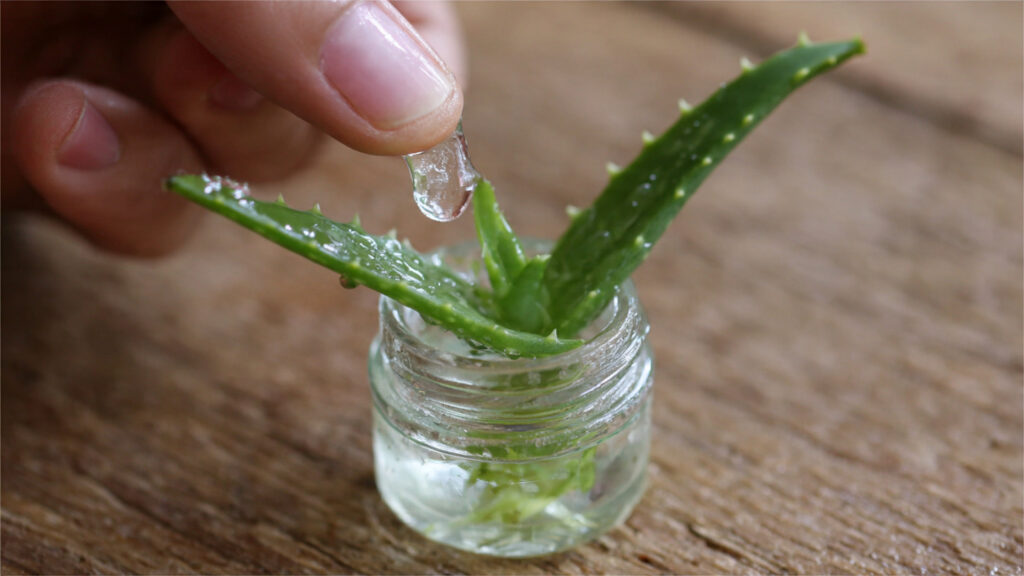
Roses are among the most cherished flowers in gardens worldwide, admired for their beauty, fragrance, and versatility. Yet, propagating roses can be a challenge for both novice and experienced gardeners. Traditional methods often require rooting hormones or commercial fertilizers, but nature provides an easier and safer alternative: aloe vera gel. Known for its medicinal properties, aloe vera can also play a remarkable role in helping roses develop strong, healthy roots. By understanding how to use natural aloe vera gel effectively, you can propagate roses more successfully and create flourishing new plants.
Why Aloe Vera Gel Works for Rooting Roses
Aloe vera contains a mix of compounds that make it particularly effective as a natural rooting aid. These include:
- Auxins: Plant hormones that promote root initiation and growth. While synthetic rooting powders contain similar compounds, aloe vera provides a natural source.
- Vitamins and Enzymes: Aloe gel is rich in vitamins A, C, and E, as well as enzymes that nourish and stimulate plant tissues. These nutrients support cell division and new root formation.
- Polysaccharides: Natural sugars in aloe vera help retain moisture and encourage the growth of beneficial microbes around the cutting.
- Antimicrobial Properties: Aloe vera naturally inhibits fungal and bacterial growth, protecting tender rose cuttings from infections that could otherwise impede rooting.
By using aloe vera gel, gardeners tap into a safe, eco-friendly alternative that supports robust root development without relying on chemical additives.
Preparing Your Rose Cuttings
The first step to successful rose propagation is selecting and preparing healthy cuttings. Follow these steps for optimal results:
- Choose Healthy Parent Plants: Select disease-free roses with strong stems and vibrant leaves. Avoid cuttings from plants showing signs of pests, black spot, or mildew.
- Timing Matters: Late spring to early summer is ideal for taking rose cuttings. Stems are mature enough to root quickly but still flexible for handling.
- Cut Properly: Using a sterilized, sharp knife or pruning shears, cut a 6–8 inch stem just below a leaf node. Leaf nodes are crucial because roots develop from these areas.
- Remove Lower Leaves: Strip off all but the top two sets of leaves to minimize water loss while encouraging root growth at the base of the cutting.
- Optional Callusing: Some gardeners allow cuttings to dry for a few hours to form a callus at the base. This reduces the risk of rot once planted.
Properly prepared cuttings dramatically increase the chances of successful rooting.
Applying Aloe Vera Gel
Once your cuttings are ready, it’s time to apply aloe vera gel. Here’s a step-by-step guide:
- Extract Fresh Gel: Cut a thick, mature aloe vera leaf from a healthy plant. Slice it open lengthwise and scoop out the clear gel using a spoon. Avoid the yellowish latex layer beneath the skin, as it can irritate the cutting.
- Prepare the Cutting: Dip the base of your rose cutting into the gel. Ensure that the gel coats the entire lower inch of the stem. The natural auxins in the gel stimulate root growth while protecting the cutting from pathogens.
- Optional Mixture for Extra Boost: Some gardeners blend aloe gel with a small amount of honey or cinnamon. Both substances have natural antimicrobial properties and can further support root development.
- Plant Immediately: After coating the base, insert the cutting into a pre-moistened growing medium. Aloe vera works best when applied just before planting to retain its moisture and nutrients.
Choosing the Right Growing Medium
The medium you choose plays a critical role in rooting success. Rose cuttings prefer a medium that retains moisture but drains well to prevent rot. Popular options include:
- Potting Mix with Sand: A mixture of equal parts potting soil and coarse sand provides both moisture retention and drainage.
- Perlite or Vermiculite: These inert materials ensure aeration around the roots while maintaining a moist environment.
- Coconut Coir: A sustainable alternative that holds water and nutrients effectively.
Avoid dense garden soil, which can compact around the cutting and suffocate developing roots. Fill pots or seed trays, water lightly, and gently press the aloe-coated cutting into the medium.
Creating the Ideal Rooting Environment
Rose cuttings thrive under controlled conditions. After planting, create a supportive environment to encourage rapid root growth:
- Moisture Control: Keep the soil consistently damp but not soggy. Aloe vera helps retain moisture at the stem base, but regular misting or gentle watering ensures the medium stays evenly hydrated.
- Humidity: High humidity prevents leaf desiccation. Cover the cutting with a clear plastic bag or a mini greenhouse to maintain a humid microclimate. Be sure to ventilate occasionally to prevent fungal growth.
- Temperature: Maintain a warm environment between 65°F and 75°F (18°C–24°C). Avoid direct sunlight, which can scorch the cutting and dry out the aloe gel.
- Indirect Light: Place cuttings in bright, indirect light. Too much shade can slow rooting, while too much sun can stress the plant.
By mimicking natural conditions while providing protection, your rose cuttings have the best chance to develop roots quickly and efficiently.
Monitoring and Supporting Root Growth
Rooting usually takes 3–6 weeks, depending on the rose variety, environmental conditions, and health of the cutting. During this period:
- Check for Signs of Growth: New leaf buds or slight swelling at the base indicate root formation.
- Avoid Overwatering: Excess moisture can cause fungal infections. Aloe vera helps maintain a natural moisture balance, but do not let the medium become waterlogged.
- Gently Test for Resistance: After a few weeks, lightly tug the cutting. Resistance means roots are forming. Do not disturb the cutting too early, as this can damage delicate new roots.
- Gradually Acclimate: Once roots are established, gradually reduce humidity and increase light exposure to prepare the cutting for outdoor planting.
Consistent care and careful observation are key to turning your aloe-coated cuttings into thriving rose plants.
Transplanting Your Rooted Roses
When cuttings have developed strong roots, they are ready for transplantation.
- Choose a Suitable Location: Select a sunny site with well-draining soil. Roses require at least six hours of sunlight daily.
- Prepare the Soil: Enrich the planting area with compost or organic fertilizer to provide nutrients for the young plants.
- Plant Carefully: Dig a hole slightly larger than the root ball, place the cutting, and cover gently with soil. Water thoroughly to settle the soil.
- Mulch: Apply a 2–3 inch layer of organic mulch around the base to retain moisture and regulate soil temperature.
With proper care, your rose cuttings will grow into healthy shrubs producing beautiful blooms year after year.
Benefits of Using Aloe Vera for Rose Propagation
Using natural aloe vera gel provides several advantages over synthetic rooting hormones:
➡️ How to Grow Malabar Spinach from Cuttings for Fast, Easy Greens
➡️ How to Grow Super Delicious Cabbage at Home Without a Garden
➡️ How to Grow Bean Sprouts at Home in Plastic Bottles Easily (Step‑by‑Step Guide)
➡️ Why is Your Lemon Tree Blooming in the Heart of Winter?
➡️ Why Should Your Garden Have a Dedicated Pollinator Highway?
➡️ Why Do Your Fruit Trees Need a Winter Wash to Thrive in Spring?
➡️ How Can Rice Water Transform Your Fruits into Sweeter Delights?
➡️ Jumpstart Your Winter Garden: Seed Starting Under Lights
- Eco-Friendly and Safe: Aloe vera is chemical-free and biodegradable, making it ideal for organic gardening.
- Nutrient-Rich: Unlike synthetic powders, aloe provides vitamins, enzymes, and sugars that nourish cuttings.
- Antimicrobial Protection: Aloe naturally reduces the risk of fungal and bacterial infections during the vulnerable rooting stage.
- Cost-Effective: Growing your own aloe plant is inexpensive, and a small leaf provides enough gel for multiple cuttings.
These benefits make aloe vera an accessible and effective solution for gardeners looking to propagate roses naturally.
Conclusion
Propagating roses doesn’t have to rely on expensive or chemical-laden rooting products. Natural aloe vera gel provides a safe, effective, and nourishing alternative that encourages rapid root growth while protecting your cuttings from pathogens. By selecting healthy cuttings, applying aloe vera correctly, choosing an appropriate growing medium, and maintaining ideal environmental conditions, gardeners can achieve remarkable success in rooting roses.
Whether you’re a beginner eager to expand your rose collection or an experienced gardener seeking organic solutions, aloe vera offers a natural path to beautiful, thriving plants. With patience, careful observation, and the power of this versatile succulent, you can transform ordinary rose cuttings into flourishing, vibrant shrubs that bring beauty and fragrance to your garden for years to come.