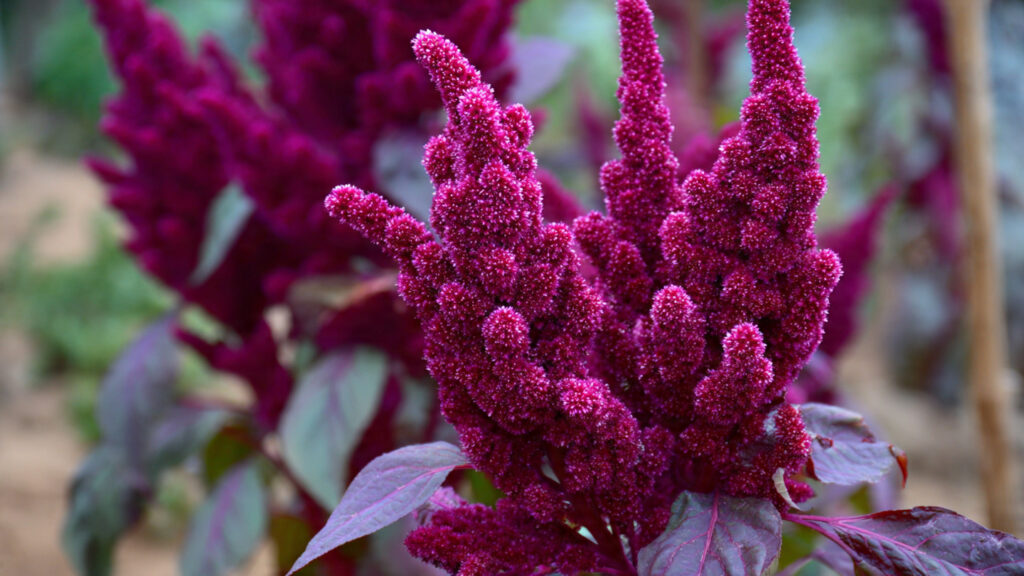
Amaranthus, often referred to simply as amaranth, is a versatile and vibrant plant that has captured the attention of gardeners and health enthusiasts alike. With its striking foliage, rapid growth, and edible leaves and seeds, it is a powerhouse addition to any garden. Whether you’re growing it for its colorful leaves, nutritious seeds, or as a natural companion plant, knowing how to cultivate amaranthus quickly and effectively can make all the difference. This guide will reveal a simple way to grow amaranthus fast, along with practical tips to maximize growth, yield, and plant health.
Understanding Amaranthus and Its Benefits
Amaranthus is more than just a decorative plant. Depending on the variety, it can be grown for leafy greens, ornamental purposes, or nutrient-rich seeds. Some key reasons gardeners love amaranthus include:
- Fast growth: Many varieties germinate and reach maturity quickly, often in just 4–6 weeks for leaf harvest.
- Nutritional value: Leaves are rich in vitamins A, C, and K, as well as minerals like calcium, iron, and magnesium. Seeds are high in protein and gluten-free.
- Drought tolerance: Once established, amaranthus can tolerate periods of low water, making it ideal for hot climates.
- Aesthetic appeal: Varieties such as Amaranthus tricolor display striking red, purple, and gold foliage, perfect for ornamental use.
By understanding its growth habits and benefits, gardeners can better harness amaranthus’ full potential.
Step 1: Choosing the Right Variety
The first step in growing amaranthus fast is selecting a suitable variety. There are three main categories:
- Leafy amaranth (vegetable type): These varieties are cultivated primarily for their tender, edible leaves. Examples include ‘Green Giant’ and ‘Red Garnet.’
- Grain amaranth: These are grown for their seeds, which are a staple in many traditional diets. Varieties like ‘Hopi Red Dye’ or ‘Oaxacan Red’ are common.
- Ornamental amaranth: These are grown for vibrant colors and decorative appeal. Varieties like ‘Joseph’s Coat’ produce striking foliage but are also edible.
For rapid leaf growth, leafy amaranth varieties are the best choice. They are more forgiving in terms of spacing and soil, and they produce a quick harvest for culinary use.
Step 2: Preparing the Soil
Amaranthus is a hardy plant, but proper soil preparation accelerates growth. It prefers well-drained, fertile soil with a slightly acidic to neutral pH (6.0–7.5).
Soil preparation steps:
- Loosen the soil: Use a hoe or rake to break up compacted soil, allowing roots to penetrate easily.
- Add organic matter: Incorporate compost, well-rotted manure, or leaf mold to enrich the soil. Organic matter improves nutrient availability and moisture retention, both of which support fast growth.
- Ensure drainage: Amaranthus does not tolerate waterlogged roots. Raised beds or mounded rows can prevent standing water during heavy rains.
- Optional fertilization: A light application of balanced organic fertilizer before planting can provide an initial nutrient boost. Avoid excessive nitrogen, as it may cause leaf growth at the expense of flowering and seed production.
By creating a nutrient-rich, well-drained environment, you give your amaranthus a head start for rapid growth.
Step 3: Sowing Seeds for Maximum Speed
Amaranthus grows exceptionally fast from seed when planted correctly. Here’s how to get the best results:
- Direct sowing: Amaranth seeds are tiny and delicate. Scatter them evenly over prepared soil and lightly cover with a thin layer of soil or compost (1/4 inch).
- Spacing: Thin seedlings to 6–12 inches apart once they are 2–3 inches tall. Crowded plants grow slower due to competition for light and nutrients.
- Germination conditions: Keep the soil consistently moist until seedlings emerge. Amaranth seeds typically germinate in 5–10 days under warm temperatures (70–85°F / 21–29°C).
- Succession planting: To ensure a continuous harvest, sow seeds every 2–3 weeks. This method guarantees fresh leaves throughout the growing season.
Fast germination and proper spacing are critical for achieving rapid growth and a bountiful harvest.
Step 4: Watering and Fertilization for Fast Growth
Once seedlings emerge, consistent care accelerates growth:
Watering Tips
- Frequent, light watering: Keep the soil evenly moist, especially during hot, dry periods. Avoid overwatering, which can lead to root rot.
- Mulching: Apply a layer of organic mulch to retain moisture and regulate soil temperature. Mulch also suppresses weeds, which can compete for nutrients.
Fertilization Tips
- Nitrogen boost for leaves: Apply a nitrogen-rich fertilizer or liquid compost tea to promote leafy growth. Avoid over-fertilization, as too much nitrogen can cause excessive leaf growth while weakening stems.
- Balanced nutrients for flowering and seed production: If you plan to harvest seeds, switch to a balanced fertilizer as plants mature. This ensures both robust leaves and healthy seed heads.
Regular care and proper nutrition are essential for achieving rapid growth and maximizing leaf yield.
Step 5: Harvesting for Speed and Productivity
Amaranthus leaves can be harvested multiple times throughout the growing season, making it an ideal fast-growing crop:
- Early harvesting: Begin picking leaves when plants are 6–8 inches tall. Young leaves are tender and flavorful.
- Cut-and-come-again: Harvest outer leaves while leaving the central growing point intact. This encourages continuous growth.
- Frequent harvesting: Regular leaf removal prevents plants from flowering too early, extending the leafy stage.
- Seed harvesting: If desired, allow some plants to flower and produce seeds. Seeds mature about 90–120 days after sowing and can be collected for future planting or culinary use.
By following these harvesting techniques, you can enjoy a rapid and continuous supply of leaves while keeping plants healthy and productive.
Tips to Maximize Growth Speed
In addition to the five main steps, several supplementary practices can boost growth speed:
➡️ How to Grow Malabar Spinach from Cuttings for Fast, Easy Greens
➡️ How to Grow Super Delicious Cabbage at Home Without a Garden
➡️ How to Grow Bean Sprouts at Home in Plastic Bottles Easily (Step‑by‑Step Guide)
➡️ Why is Your Lemon Tree Blooming in the Heart of Winter?
➡️ Why Should Your Garden Have a Dedicated Pollinator Highway?
➡️ Why Do Your Fruit Trees Need a Winter Wash to Thrive in Spring?
➡️ How Can Rice Water Transform Your Fruits into Sweeter Delights?
➡️ Jumpstart Your Winter Garden: Seed Starting Under Lights
- Temperature management: Amaranthus thrives in warm conditions but may slow down in extreme heat. Provide partial shade or water during peak sun hours if necessary.
- Pest and disease control: Keep an eye out for aphids, leaf miners, and fungal infections. Prompt intervention prevents stunted growth.
- Companion planting: Plant amaranthus alongside crops like beans or tomatoes. These companions improve soil fertility and microclimate, supporting faster growth.
- Proper spacing: Avoid overcrowding, as it can reduce airflow, increase disease risk, and slow growth.
Implementing these tips ensures your amaranthus grows at peak speed and maintains healthy, vibrant foliage.
Why Grow Amaranthus Fast?
Growing amaranthus quickly has several advantages:
- Rapid food supply: Leafy amaranthus can be harvested in as little as 4–6 weeks.
- Space efficiency: Fast-growing plants allow multiple successions in one season, optimizing garden space.
- Nutrient-dense harvests: Rapid growth encourages tender, nutrient-rich leaves.
- Versatility: Fast-growing amaranth can serve as food, ornament, and companion plant, making it a multifunctional addition to any garden.
Whether you’re a beginner gardener or seeking a quick source of nutritious greens, fast-growing amaranthus is an excellent choice.
Final Thoughts
Amaranthus is a remarkable plant that combines speed, beauty, and nutrition. By following these five simple steps—selecting the right variety, preparing the soil, sowing seeds correctly, providing proper watering and fertilization, and harvesting strategically—you can grow amaranthus fast and enjoy multiple harvests in a single season.
The beauty of amaranthus lies in its adaptability. It thrives in a range of climates, tolerates heat and drought, and provides a continuous source of delicious, nutrient-rich leaves. With careful attention to planting and care, even beginner gardeners can cultivate a thriving crop in a short amount of time.
Fast-growing, colorful, and highly versatile, amaranthus is a must-have in any home garden. Whether you’re seeking a quick vegetable harvest, decorative foliage, or seeds for future planting, understanding how to grow it efficiently ensures a productive and rewarding gardening experience. By implementing these simple strategies, you can unlock the full potential of this extraordinary plant and enjoy its benefits throughout the growing season.