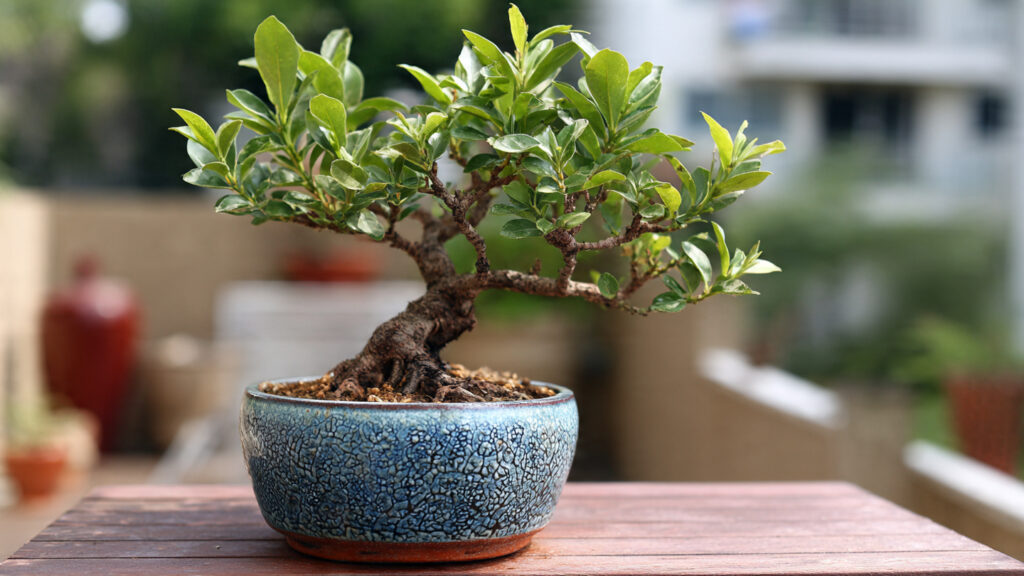
Guava is a beloved tropical fruit known for its sweet, aromatic flavor and rich nutritional profile. While guava trees can grow large and sprawling, with the right techniques, you can train a guava plant into a dwarf tree form, perfect for small gardens, patios, or even container gardening. A compact guava tree not only produces abundant fruit but also adds a charming, ornamental appeal to your garden.
This guide will take you step-by-step through training, pruning, and caring for a guava plant to create a beautiful, manageable dwarf tree that thrives in limited space.
1. Why Train Guava Plants Into Dwarf Trees?
Training guava plants into dwarf forms has multiple advantages:
- Space Efficiency: Ideal for small gardens or container growing.
- Easier Harvesting: Fruit is easier to pick when branches are within reach.
- Better Sunlight Exposure: Properly pruned trees allow sunlight to reach inner branches, improving fruit quality.
- Ornamental Appeal: Dwarf guava trees are visually pleasing, enhancing garden aesthetics.
- Higher Fruit Production: Focused pruning stimulates flowering and fruiting.
Whether you’re a novice gardener or an urban dweller with limited space, a dwarf guava tree combines practicality and beauty.
2. Selecting the Right Guava Variety
Not all guava varieties are equally suitable for dwarf training:
- Dwarf Varieties: Varieties like ‘Allahabad Safeda,’ ‘Lucknow-49,’ and ‘Red Malaysian’ are naturally compact and ideal for container growing.
- Seedling Selection: Choose healthy seedlings with strong, upright stems. Avoid plants that are weak or leggy.
- Container vs. Ground Planting: If space is limited, start with a container-friendly variety for easier management.
Selecting the right variety lays the foundation for a successful, compact guava tree.
3. Choosing the Right Location
Guava trees need the right environment to thrive, even in a dwarf form:
- Sunlight: Full sun for at least 6–8 hours daily ensures robust growth and flowering.
- Soil: Well-draining soil enriched with organic matter prevents waterlogging and root rot.
- Air Circulation: Adequate spacing around the tree reduces pest and disease problems.
- Protection from Strong Winds: Dwarf trees are easier to protect, but wind can still damage young branches.
Proper location ensures healthy growth and a consistent fruiting cycle.
4. Planting Your Guava Seedling
Planting correctly is the first step in training a guava tree:
- Dig a Suitable Hole: Twice the size of the root ball, deep enough for roots to spread comfortably.
- Add Nutrients: Mix compost or well-rotted manure into the soil.
- Planting Depth: Position the seedling so the soil level matches the base of the stem.
- Watering: Water thoroughly to settle the roots and remove air pockets.
A well-planted seedling establishes strong roots, which are critical for a healthy, dwarf tree form.
5. Initial Pruning for Shape
To create a dwarf guava tree, pruning starts early:
- Remove Weak Stems: Cut off any damaged or crossing branches to maintain a strong framework.
- Select the Central Leader: Choose one main stem to act as the central trunk.
- Encourage Lateral Branches: Prune the top slightly to encourage side branches for a bushy, compact canopy.
- Timing: Perform the first pruning when the plant is 6–12 inches tall, before it becomes too woody.
Early pruning sets the stage for a well-structured, manageable tree.
6. Training the Guava Tree
Training involves guiding the branches to achieve a dwarf, compact form:
- Tying Young Branches: Use soft ties to bend lateral branches outward at a 45° angle. This encourages fruiting and maintains a low, spread-out canopy.
- Pinching Tips: Pinch new growth tips to encourage bushiness and more flowering sites.
- Container Growth: In pots, pruning roots periodically helps maintain a smaller tree while promoting flowering.
Consistent training ensures the tree remains compact, productive, and aesthetically pleasing.
7. Fertilizing and Soil Care
Dwarf guava trees require proper nutrition to thrive and produce fruit:
➡️ How to Grow Malabar Spinach from Cuttings for Fast, Easy Greens
➡️ How to Grow Super Delicious Cabbage at Home Without a Garden
➡️ How to Grow Bean Sprouts at Home in Plastic Bottles Easily (Step‑by‑Step Guide)
➡️ Why is Your Lemon Tree Blooming in the Heart of Winter?
➡️ Why Should Your Garden Have a Dedicated Pollinator Highway?
➡️ Why Do Your Fruit Trees Need a Winter Wash to Thrive in Spring?
➡️ How Can Rice Water Transform Your Fruits into Sweeter Delights?
➡️ Jumpstart Your Winter Garden: Seed Starting Under Lights
- Organic Fertilizers: Compost, vermicompost, or well-rotted manure improves soil fertility and moisture retention.
- Balanced NPK Fertilizer: Apply nitrogen, phosphorus, and potassium during the growing season to encourage leaf, flower, and fruit development.
- Micronutrients: Guava responds well to magnesium, zinc, and iron supplementation, improving fruit quality.
- Regular Soil Checks: Ensure soil remains slightly acidic to neutral (pH 5.5–7) for optimal growth.
Proper nutrition ensures healthy foliage, abundant flowers, and juicy fruit.
8. Watering and Mulching
Maintaining the right moisture level is crucial for dwarf guava trees:
- Watering Schedule: Water deeply 2–3 times per week during dry periods. Reduce watering slightly in the dormant season.
- Avoid Waterlogging: Ensure containers or garden beds drain well to prevent root rot.
- Mulching: Apply 2–3 inches of organic mulch around the base to retain soil moisture, suppress weeds, and regulate temperature.
Consistent watering and mulching support steady growth and fruiting.
9. Managing Pests and Diseases
Even dwarf guava trees are vulnerable to common pests and diseases:
- Pests: Aphids, fruit flies, mealybugs, and scale insects can damage leaves and fruits. Use neem oil or insecticidal soaps for control.
- Diseases: Powdery mildew, anthracnose, and root rot can affect productivity. Proper pruning, spacing, and sanitation reduce disease risk.
- Regular Inspection: Monitor leaves, fruits, and branches regularly to catch problems early.
Early intervention keeps your dwarf guava tree healthy, attractive, and fruitful.
10. Harvesting Fruit from a Dwarf Tree
One of the biggest rewards of training a guava tree into a dwarf form is easy harvesting:
- Timing: Harvest when the fruit is fully colored and slightly soft to the touch.
- Frequency: Pick fruits as they ripen to encourage continuous production.
- Container Trees: Check for root-bound conditions and refresh soil or repot as needed to maintain productivity.
A compact tree ensures that fruit is always within reach, making harvesting convenient and enjoyable.
11. Advantages of Dwarf Guava Trees in Compact Gardens
- Space-Saving: Perfect for small yards, patios, or terraces.
- Ornamental Beauty: Adds structure and greenery to your garden while producing delicious fruit.
- Higher Control: Easier to manage watering, pruning, and pest control.
- Multiple Trees in Small Area: You can grow several dwarf trees for a mini orchard in limited space.
A dwarf guava tree combines beauty and productivity, making it ideal for family gardens.
Bonus Tips for Thriving Dwarf Guava Trees
- Start training early for best results; don’t wait until the tree grows too large.
- Rotate containers occasionally to ensure even growth.
- Use soft ties or string for bending branches; avoid damaging the bark.
- Keep pruning tools clean to prevent disease transmission.
- Experiment with companion plants like marigolds or basil to naturally repel pests.
These tips guarantee a beautiful, compact, and productive guava tree in your garden.
Conclusion
Training a guava plant into a dwarf tree is a practical and rewarding way to grow fruit in small spaces. From selecting the right variety, planting correctly, and pruning strategically to providing proper care, nutrition, and pest control, every step contributes to a compact, fruitful, and ornamental tree.
Whether you’re an urban gardener or a small-space enthusiast, a dwarf guava tree is a perfect addition to your garden, providing fresh, juicy fruit, aesthetic appeal, and easy management. With patience, consistency, and the right techniques, you can enjoy a lush, productive mini guava orchard right in your backyard, terrace, or patio.
Start today and transform your garden with dwarf guava trees that are both beautiful and fruitful—a compact solution for a rewarding harvest.