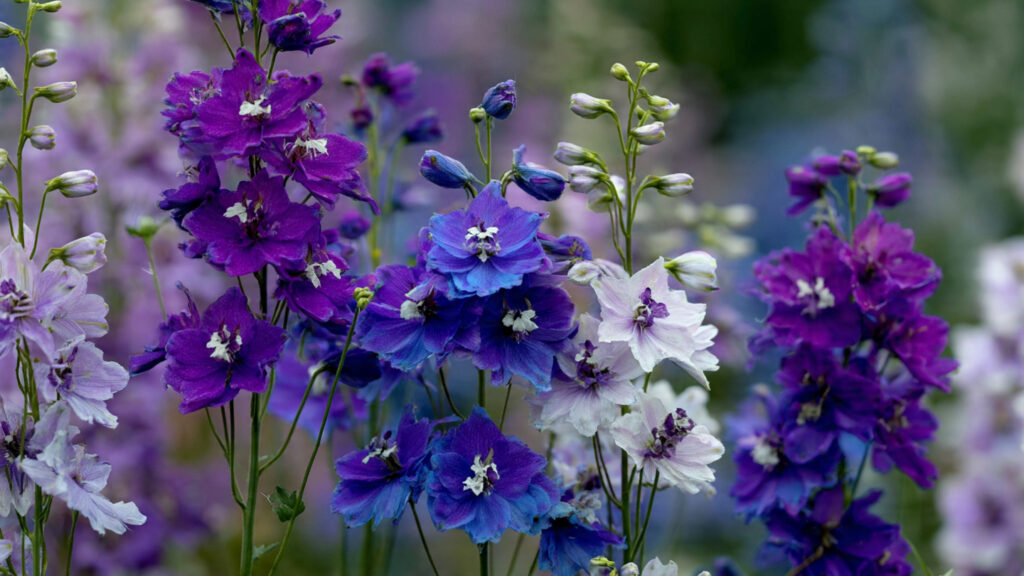
Larkspur (Delphinium consolida) is a stunning addition to any garden, offering tall spikes of vibrant flowers that range from deep purples and blues to soft pinks and whites. Known for their dramatic vertical presence and delicate beauty, larkspurs are favorites among both beginner and experienced gardeners looking to create a flourishing summer garden. Growing larkspur from seed may seem intimidating, but with the right guidance, it’s a simple and rewarding process. In this guide, we’ll walk you through the best practices to successfully grow larkspur from seed and enjoy a flourishing display.
Why Grow Larkspur From Seed?
Many gardeners shy away from starting larkspur from seed, assuming it requires advanced expertise or patience. In reality, starting larkspur from seed is highly practical and offers several advantages:
- Cost-Effective: Seeds are significantly cheaper than buying mature plants, allowing you to cultivate dozens of larkspurs for a fraction of the price.
- Variety: Growing from seed gives you access to a wide range of colors and cultivars that may not be available as young plants in nurseries.
- Early Start: By sowing seeds indoors before the last frost, you can get a head start on the growing season, ensuring taller, healthier plants.
- Gardening Satisfaction: There’s a special reward in nurturing a plant from seed to bloom—a gratifying process that deepens your connection to your garden.
Selecting the Right Seeds
The first step in growing larkspur is choosing high-quality seeds. Look for seeds from reputable suppliers that are fresh and stored properly. Old or improperly stored seeds may have low germination rates. You’ll also want to consider the variety:
- Annual Larkspur: These are the most common and bloom quickly in the first year.
- Perennial Larkspur: These require more time and care but return year after year.
Annual varieties are ideal for beginners because they grow quickly, flower abundantly, and are forgiving of minor mistakes.
Preparing for Seed Sowing
Larkspur seeds have a hard coat, which means they benefit from a process called stratification to encourage germination. Stratification mimics natural winter conditions, signaling to the seed that it’s time to grow. Here’s how to prepare:
- Cold Stratification: Place the seeds in a damp paper towel or sand in a sealed plastic bag and refrigerate for 2–3 weeks before sowing. This helps break dormancy and increases germination rates.
- Choosing Containers: Use seed trays, small pots, or shallow containers with drainage holes. Avoid deep pots, as larkspur seeds do best in shallow soil.
- Soil Mix: Larkspur prefers light, well-draining soil. A mix of equal parts potting soil, compost, and sand creates the ideal medium for seeds to thrive.
How to Sow Larkspur Seeds
Once your seeds are stratified and containers prepared, it’s time to sow:
- Planting Depth: Sow seeds shallowly, just ¼ inch deep. Larkspur seeds require light to germinate, so avoid burying them too deeply.
- Spacing: Plant seeds at least 1 inch apart if sowing in trays. This prevents overcrowding and allows seedlings to develop strong roots.
- Watering: Gently water the soil after sowing to moisten it without washing away seeds. Use a spray bottle or fine mist to avoid disturbing them.
- Light: Place containers in a bright, sunny location or under grow lights for 12–14 hours a day. Light encourages strong, healthy seedlings.
- Temperature: Maintain a temperature of 60–70°F (15–21°C) for optimal germination.
Germination usually occurs within 10–20 days. Be patient, as some seeds may take slightly longer depending on conditions.
Caring for Seedlings
Once the seeds sprout, careful attention will help them grow into robust larkspurs:
- Watering: Keep the soil consistently moist but not waterlogged. Larkspur seedlings are sensitive to overwatering, which can cause damping-off disease.
- Thinning: When seedlings develop two sets of true leaves, thin them to about 4–6 inches apart. This prevents overcrowding and ensures each plant has enough nutrients and space to grow.
- Feeding: After seedlings are established, use a diluted, balanced liquid fertilizer every 2–3 weeks to encourage healthy foliage and strong stems.
- Hardening Off: Before transplanting outdoors, gradually acclimate seedlings to outdoor conditions by exposing them to sunlight and fresh air for increasing periods over 7–10 days. This reduces transplant shock.
Transplanting Larkspur Outdoors
Timing and location are critical for transplanting seedlings into the garden:
- Ideal Timing: Transplant seedlings after the last frost date in your region. Larkspur prefers cool weather, so early spring or fall is best in mild climates.
- Choosing a Location: Larkspur thrives in full sun but tolerates partial shade. Select a spot with well-draining soil to prevent root rot.
- Soil Preparation: Enrich the garden bed with compost to provide nutrients and improve soil texture.
- Spacing Outdoors: Plant larkspurs 12–18 inches apart to allow ample room for growth and airflow, reducing the risk of fungal diseases.
After transplanting, water seedlings immediately and provide a light mulch to retain soil moisture.
Supporting Tall Spikes
One of the hallmarks of larkspur is its tall, dramatic flower spikes. However, these spikes can be prone to flopping, especially in windy or rainy conditions. To ensure a flourishing display:
- Staking: Use bamboo stakes or plant supports to help tall spikes remain upright.
- Spacing: Proper spacing between plants also reduces competition for light and prevents bending or flopping.
- Wind Protection: Plant larkspur near a fence, trellis, or other barrier if your garden experiences strong winds.
Encouraging Longer Blooming
To maximize flower production and extend the blooming season:
- Deadheading: Remove spent flowers regularly to prevent seed formation, which allows the plant to focus energy on producing new blooms.
- Consistent Watering: Larkspur thrives with regular watering, particularly during dry periods. Avoid water stress, as this can reduce flower size and vibrancy.
- Fertilization: Apply a balanced fertilizer once a month during the growing season to provide essential nutrients for continuous blooming.
Pest and Disease Management
While larkspur is generally hardy, certain pests and diseases can affect growth:
- Aphids: Small green or black insects that cluster on flower spikes. Spray with insecticidal soap or use a gentle water spray to dislodge them.
- Powdery Mildew: White, powdery fungal growth on leaves, particularly in humid conditions. Ensure good air circulation and avoid overhead watering.
- Slugs and Snails: Can damage young seedlings. Use natural deterrents like crushed eggshells or copper tape.
Maintaining healthy soil, proper spacing, and consistent care reduces the likelihood of pest and disease problems.
Designing a Flourishing Larkspur Garden
Larkspur’s tall, colorful spikes make it ideal for creating visually striking garden designs:
➡️ How to Grow Malabar Spinach from Cuttings for Fast, Easy Greens
➡️ How to Grow Super Delicious Cabbage at Home Without a Garden
➡️ How to Grow Bean Sprouts at Home in Plastic Bottles Easily (Step‑by‑Step Guide)
➡️ Why is Your Lemon Tree Blooming in the Heart of Winter?
➡️ Why Should Your Garden Have a Dedicated Pollinator Highway?
➡️ Why Do Your Fruit Trees Need a Winter Wash to Thrive in Spring?
➡️ How Can Rice Water Transform Your Fruits into Sweeter Delights?
➡️ Jumpstart Your Winter Garden: Seed Starting Under Lights
- Borders and Beds: Plant along fences, garden edges, or behind shorter flowers to create depth and height contrast.
- Mixed Flower Gardens: Pair with complementary blooms such as poppies, snapdragons, or daisies for a lush, cottage-style aesthetic.
- Pollinator-Friendly Gardens: Larkspur attracts bees and butterflies, adding life and movement to your garden space.
By thoughtfully incorporating larkspur, you can achieve a vibrant, flourishing garden with minimal effort.
Conclusion
Growing larkspur from seed is not only simple but also highly rewarding. By selecting quality seeds, preparing soil and containers, sowing correctly, and caring for seedlings, you can enjoy tall, colorful spikes that transform your garden. Attention to watering, light, spacing, and support ensures healthy growth, while deadheading and fertilization extend the blooming season. Larkspur also offers ecological benefits, attracting pollinators and enhancing garden biodiversity.
With patience and proper care, even beginner gardeners can achieve a flourishing garden filled with the vibrant elegance of larkspur. From its dramatic vertical blooms to its versatile colors, larkspur is a testament to the beauty and satisfaction of growing flowers from seed. By following these simple steps, your garden can become a lively, colorful, and thriving sanctuary—a true celebration of summer blooms.