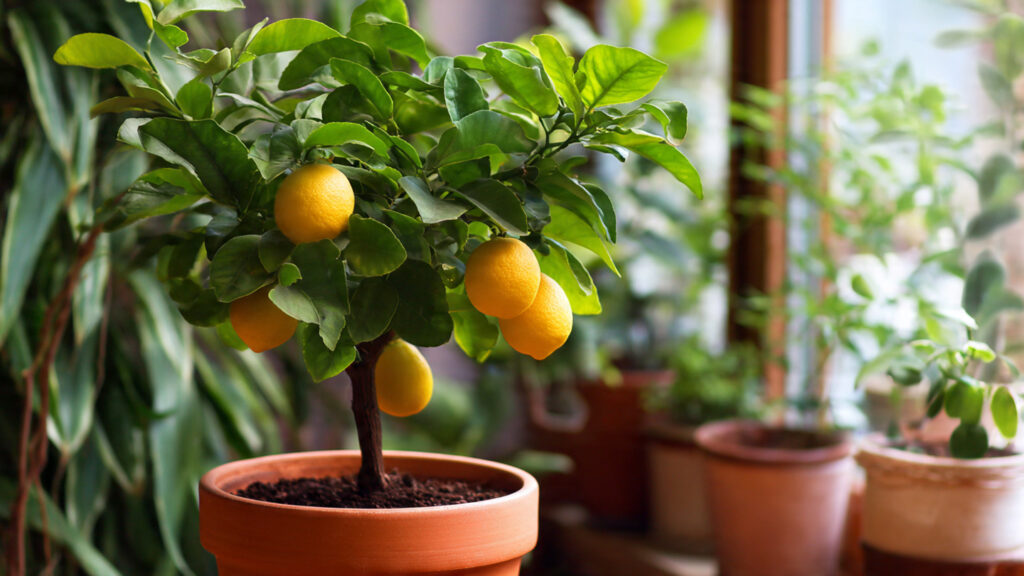
Indoor gardening has grown in popularity over the years, with plant enthusiasts seeking to bring the refreshing aroma and vibrant beauty of nature into their homes. Among these indoor treasures, lemon trees stand out for their striking foliage, fragrant flowers, and, of course, delicious fruit. While growing a lemon tree indoors may seem challenging, with the right guidance, anyone can cultivate a thriving citrus plant. Here’s a comprehensive guide to nurturing your indoor lemon tree for healthy growth and bountiful harvests.
Choosing the Right Lemon Tree Variety
The journey to a flourishing indoor lemon tree starts with selecting the right variety. Not all lemon trees are suited for indoor conditions, so it’s crucial to pick a dwarf variety designed for container growth. Popular options include:
- Meyer Lemon – A hybrid variety known for its sweeter, less acidic fruit and adaptability to indoor environments.
- Ponderosa Lemon – Large, fragrant fruit with a robust growth habit; perfect for sunny indoor spots.
- Improved Lisbon – A resilient tree producing abundant lemons, ideal for gardeners seeking consistent yields.
Choosing the right variety ensures that your lemon tree not only survives but thrives indoors.
Ideal Location and Light Requirements
Lighting is one of the most critical factors for indoor lemon trees. These citrus plants are sun-loving and require at least 8–12 hours of bright, indirect sunlight per day. Here are some tips for ensuring your lemon tree gets enough light:
- Place your tree near a south-facing window where sunlight is abundant.
- Supplement natural light with grow lights during shorter winter days to maintain growth.
- Rotate the tree every few weeks to ensure even sunlight exposure on all branches.
Without sufficient light, your lemon tree may grow slowly, drop leaves, or fail to produce fruit.
Optimal Soil and Potting
A lemon tree’s health heavily depends on the soil and pot it grows in. Citrus trees need well-draining soil to prevent root rot and support nutrient absorption. You can use:
- Citrus-specific potting mix available at garden centers.
- A blend of peat, perlite, and sand for DIY potting mix.
When choosing a container, ensure it has drainage holes to avoid water accumulation. While larger pots give roots more room to expand, avoid oversized containers as they may retain excess moisture, causing root issues.
Watering Your Indoor Lemon Tree
Watering is both essential and delicate. Overwatering can suffocate roots, while underwatering can stress the tree and stunt growth. Follow these guidelines:
- Water deeply, ensuring the entire root system is moistened.
- Allow the top 1–2 inches of soil to dry out before watering again.
- Reduce watering frequency during winter when growth slows.
Using a self-watering pot or a moisture meter can help maintain the right balance and prevent common watering mistakes.
Feeding and Fertilizing for Citrus Success
Lemon trees are nutrient-hungry and require regular fertilization to produce healthy leaves and fruit. A citrus-specific fertilizer with a balanced mix of nitrogen, phosphorus, and potassium is ideal. Follow these tips:
- Fertilize once a month during the growing season (spring and summer).
- Reduce feeding in fall and winter when growth naturally slows.
- Consider using organic compost or seaweed extracts to enhance soil fertility.
Healthy fertilization encourages vibrant foliage, abundant blossoms, and juicy lemons.
Pruning for Shape and Productivity
Pruning helps maintain a manageable size, promotes airflow, and stimulates fruit production. Here’s how to approach pruning:
- Remove dead, damaged, or crossing branches regularly.
- Thin out the interior of the tree to allow light penetration and air circulation.
- Trim young trees lightly to encourage strong structural growth.
Pruning also allows you to shape your lemon tree aesthetically while keeping it healthy.
Managing Temperature and Humidity
Indoor lemon trees thrive in temperatures between 65–75°F (18–24°C) during the day and slightly cooler at night. Extremes in temperature or drafts can stress the plant, leading to leaf drop. Humidity is equally important, as lemon trees prefer moderate to high humidity. Consider these strategies:
- Place a humidifier near the tree during dry winter months.
- Group plants together to naturally increase humidity levels.
- Mist the leaves occasionally, but avoid excessive moisture on foliage to prevent fungal issues.
A stable environment mimics the tree’s natural Mediterranean climate, supporting healthy growth.
➡️ How to Grow Malabar Spinach from Cuttings for Fast, Easy Greens
➡️ How to Grow Super Delicious Cabbage at Home Without a Garden
➡️ How to Grow Bean Sprouts at Home in Plastic Bottles Easily (Step‑by‑Step Guide)
➡️ Why is Your Lemon Tree Blooming in the Heart of Winter?
➡️ Why Should Your Garden Have a Dedicated Pollinator Highway?
➡️ Why Do Your Fruit Trees Need a Winter Wash to Thrive in Spring?
➡️ How Can Rice Water Transform Your Fruits into Sweeter Delights?
➡️ Jumpstart Your Winter Garden: Seed Starting Under Lights
Pollination for Fruit Production
Indoor lemon trees may require a little help to produce fruit. While some varieties are self-pollinating, manual pollination can improve yields. Here’s how:
- Use a small paintbrush or cotton swab to transfer pollen from one flower to another.
- Gently shake the branches to help distribute pollen.
- Focus on flowers that are fully open for the best results.
Consistent pollination encourages fruit set and ensures you enjoy a regular harvest of lemons.
Pests and Disease Prevention
Even indoors, lemon trees are susceptible to pests like spider mites, aphids, and scale insects. Prevent infestations by:
- Inspecting leaves regularly for signs of pests.
- Using insecticidal soap or neem oil to manage infestations naturally.
- Maintaining good hygiene, including removing fallen leaves and cleaning pots.
Preventive care helps keep your indoor lemon tree vibrant and reduces stress on the plant.
Repotting and Root Care
As your lemon tree grows, it will eventually outgrow its pot. Repotting every 2–3 years ensures continued healthy growth:
- Choose a pot 1–2 sizes larger than the current one.
- Refresh the soil with a nutrient-rich citrus mix.
- Gently loosen the roots before placing the tree in the new pot.
Proper repotting encourages root expansion and supports overall tree vigor.
Encouraging Blossoms and Fruit
For many indoor gardeners, the ultimate goal is fruit production. Beyond proper lighting, watering, and fertilization, these tips help your lemon tree bloom:
- Maintain consistent care routines—stress can cause flowers to drop.
- Provide a slightly cooler winter period to stimulate spring flowering.
- Ensure your tree receives adequate phosphorus, which supports flower and fruit development.
Patience is key—lemon trees may take a few years to mature, but consistent care pays off with fragrant blossoms and juicy fruit.
Creating a Beautiful Indoor Lemon Tree Display
Indoor lemon trees are not just productive—they’re decorative. Consider these ideas:
- Use a decorative pot that complements your interior design.
- Place the tree near windows or sunrooms for maximum sunlight and aesthetic appeal.
- Pair the tree with other indoor plants for a lush, tropical corner.
A well-cared-for lemon tree becomes a stunning focal point and brings a touch of nature indoors.
Conclusion
Nurturing an indoor lemon tree requires attention, patience, and a little know-how, but the rewards are abundant. By selecting the right variety, providing sufficient light, managing water and nutrients, and maintaining ideal conditions, you can enjoy a thriving indoor citrus tree that brightens your home and delights your taste buds.
Whether you’re a seasoned gardener or a beginner, these essential care tips will help your indoor lemon tree grow strong, healthy, and productive—turning your indoor space into a fragrant, fruitful oasis.