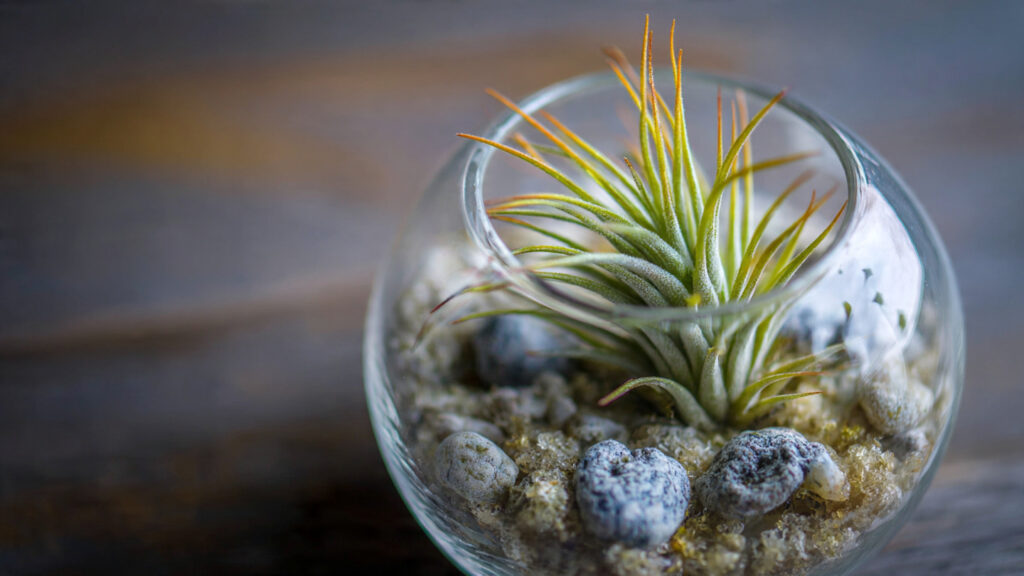
Tillandsia, commonly known as air plants, are fascinating, low-maintenance plants that have captured the imagination of gardeners and indoor plant enthusiasts alike. Unlike traditional plants, air plants do not require soil to grow, absorbing water and nutrients directly from the air through their specialized leaves. This unique trait makes them perfect for creative displays, including hanging glass globes, terrariums, and wall-mounted arrangements. Growing Tillandsia in a glass globe is not only visually stunning but also practical, offering a clean, modern way to showcase these unique plants. In this complete guide, we’ll walk you through everything you need to know to cultivate healthy Tillandsia in a glass globe.
Understanding Tillandsia: The Basics
Before diving into glass globe cultivation, it’s important to understand the nature of Tillandsia. Native to Central and South America, these epiphytic plants naturally grow on trees, rocks, or other surfaces, making them highly adaptable. Their ability to thrive without soil comes from specialized trichomes on their leaves, which capture water and nutrients from the air.
Tillandsia species vary in size, shape, and color, with some forming compact rosettes and others producing long, curly leaves. While they are resilient, these plants have specific requirements for light, water, and air circulation, which must be considered when growing them in enclosed spaces like glass globes.
Step 1: Selecting the Right Glass Globe
Choosing the right container is critical for the health of your Tillandsia. Glass globes come in various shapes and sizes, but for air plants, consider the following:
- Opening Size: Ensure the globe has a wide enough opening to allow airflow and make watering easier. A narrow opening can trap moisture, leading to rot.
- Material Thickness: Thick, sturdy glass helps maintain consistent humidity levels inside the globe while providing durability.
- Hanging vs. Tabletop: Decide whether you want a hanging globe or a tabletop display. Hanging globes offer better airflow, which is essential for air plant health.
For beginners, a globe with a simple round shape and a wide opening is ideal, as it allows for easy placement, cleaning, and maintenance.
Step 2: Choosing Tillandsia Species
Not all Tillandsia are equally suited for enclosed glass globes. Some species tolerate lower airflow and humidity better than others. Popular options include:
- Tillandsia Ionantha: Small, rosette-shaped, and colorful, ideal for decorative globes.
- Tillandsia Xerographica: Large and dramatic, with curly silver-green leaves, perfect for striking displays.
- Tillandsia Bulbosa: Twisting, vine-like leaves that create visual interest in hanging globes.
- Tillandsia Stricta: Compact and hardy, suitable for beginners.
When selecting plants, consider the globe size and the desired visual effect. Smaller species work best in compact globes, while larger species like Xerographica need ample space to avoid crowding.
Step 3: Preparing the Glass Globe
Proper preparation of your glass globe is essential to creating a healthy environment for your Tillandsia.
- Clean the Globe: Wash the globe with mild soap and water to remove dust or residues. Rinse thoroughly to avoid chemical contamination.
- Add a Base Layer (Optional): Although Tillandsia does not require soil, adding decorative elements like small pebbles, sand, or moss can stabilize plants and enhance aesthetics. Avoid using materials that retain too much moisture, as excess humidity can cause rot.
- Position for Display: Consider light and airflow when choosing the globe’s location. Globes should be placed in bright, indirect sunlight or under artificial grow lights for optimal growth.
Step 4: Placing Tillandsia in the Globe
When arranging Tillandsia inside a glass globe, keep the following tips in mind:
- Avoid Overcrowding: Tillandsia needs airflow around its leaves to prevent fungal growth and rot. Leave sufficient space between plants.
- Use Non-Invasive Supports: Twigs, driftwood, or decorative stones can support the plants without blocking airflow.
- Consider Aesthetics and Growth: Position plants so that they have room to grow naturally. Curly species like Bulbosa or Xerographica can hang or curl gracefully inside the globe.
Unlike soil-grown plants, Tillandsia should never be buried or forced into tight spaces, as this can hinder leaf development and health.
Step 5: Watering Your Tillandsia
Watering is the most critical aspect of Tillandsia care, especially in an enclosed environment like a glass globe. These plants absorb moisture primarily through their leaves, so soil-based methods are irrelevant.
Methods for Glass Globe Care:
- Misting: Lightly mist the leaves 2–3 times a week with a spray bottle. Ensure all surfaces, including the undersides of leaves, receive moisture.
- Soaking: Every 2–3 weeks, remove the plants from the globe and soak them in room-temperature water for 20–30 minutes. Shake off excess water and allow them to dry completely before returning to the globe.
- Humidity Monitoring: Enclosed globes can trap moisture, creating high humidity. If condensation forms on the glass, reduce misting frequency or remove the globe lid temporarily.
Overwatering is the most common cause of Tillandsia death. Leaves should never remain wet for prolonged periods, as this can lead to rot. Proper drying after watering is essential.
Step 6: Providing Adequate Light
Tillandsia thrive in bright, indirect light. Direct sunlight may scorch leaves, especially when filtered through glass. Some tips for indoor lighting:
- Window Placement: East or west-facing windows provide gentle morning or afternoon sun. Avoid harsh midday rays.
- Artificial Lighting: If natural light is limited, fluorescent or LED grow lights work well. Position the light 6–12 inches above the plants for 12–16 hours per day.
- Rotate Plants: Occasionally rotate the globe to ensure even light exposure for all leaves.
Proper light is essential not only for growth but also for maintaining vibrant leaf coloration, especially in colorful species like Ionantha.
➡️ How to Grow Malabar Spinach from Cuttings for Fast, Easy Greens
➡️ How to Grow Super Delicious Cabbage at Home Without a Garden
➡️ How to Grow Bean Sprouts at Home in Plastic Bottles Easily (Step‑by‑Step Guide)
➡️ Why is Your Lemon Tree Blooming in the Heart of Winter?
➡️ Why Should Your Garden Have a Dedicated Pollinator Highway?
➡️ Why Do Your Fruit Trees Need a Winter Wash to Thrive in Spring?
➡️ How Can Rice Water Transform Your Fruits into Sweeter Delights?
➡️ Jumpstart Your Winter Garden: Seed Starting Under Lights
Step 7: Air Circulation and Ventilation
Airflow is critical in preventing fungal infections and ensuring healthy Tillandsia growth. Enclosed glass globes can restrict airflow, so take these measures:
- Keep globes in well-ventilated rooms.
- Remove lids or openings periodically to allow fresh air exchange.
- Avoid placing globes in stagnant, humid corners.
Good airflow helps dry the leaves quickly after watering, mimicking the plant’s natural epiphytic environment.
Step 8: Fertilizing Tillandsia
While air plants do not need frequent fertilization, occasional feeding encourages growth, flowering, and vibrant colors.
- Use Air Plant Fertilizer: Select a water-soluble fertilizer specifically formulated for Tillandsia or bromeliads.
- Dilution: Apply at ¼ strength during misting or soaking. Over-fertilization can damage leaves.
- Frequency: Fertilize every 4–6 weeks during the growing season (spring through fall).
Fertilization enhances plant vigor, supports offsets (pups), and promotes blooms in mature plants.
Step 9: Monitoring Growth and Propagation
Tillandsia grow slowly but steadily. Healthy plants develop offsets, or “pups,” which can be separated to create new plants:
- Wait until pups are at least one-third the size of the parent plant before removing.
- Gently twist or cut the pup away using sterilized scissors.
- Place the pup in a new glass globe or container, repeating the same care routine.
Regularly monitor your Tillandsia for signs of stress, such as curling leaves, discoloration, or soft spots, and adjust watering, light, or airflow accordingly.
Step 10: Creative Display Ideas
Glass globes provide an opportunity to showcase Tillandsia creatively:
- Hanging Globes: Suspend multiple globes at varying heights to create a floating garden effect.
- Tabletop Arrangements: Combine air plants with pebbles, driftwood, or decorative moss for elegant centerpieces.
- Seasonal Decor: Add decorative elements like shells, ornaments, or sand to complement the globe’s aesthetic.
These displays not only enhance your indoor space but also encourage a deeper connection with your plants.
Conclusion
Growing Tillandsia in a glass globe is a rewarding experience for plant enthusiasts of all levels. By understanding the plant’s unique needs—light, water, air circulation, and gentle fertilization—you can create a thriving, visually stunning display in the comfort of your home.
From selecting the right species and globe to proper watering, airflow, and creative arrangement, this guide provides a comprehensive approach to cultivating air plants indoors. Regular maintenance, including monitoring growth, separating pups, and occasional fertilization, ensures your Tillandsia remain healthy, vibrant, and long-lasting.
Whether you’re decorating a living room, brightening a workspace, or crafting a miniature indoor garden, Tillandsia in a glass globe combines natural beauty, low maintenance, and endless creativity. With these techniques, even beginners can enjoy the unique charm and elegance of air plants, bringing a touch of the tropics into any indoor setting.