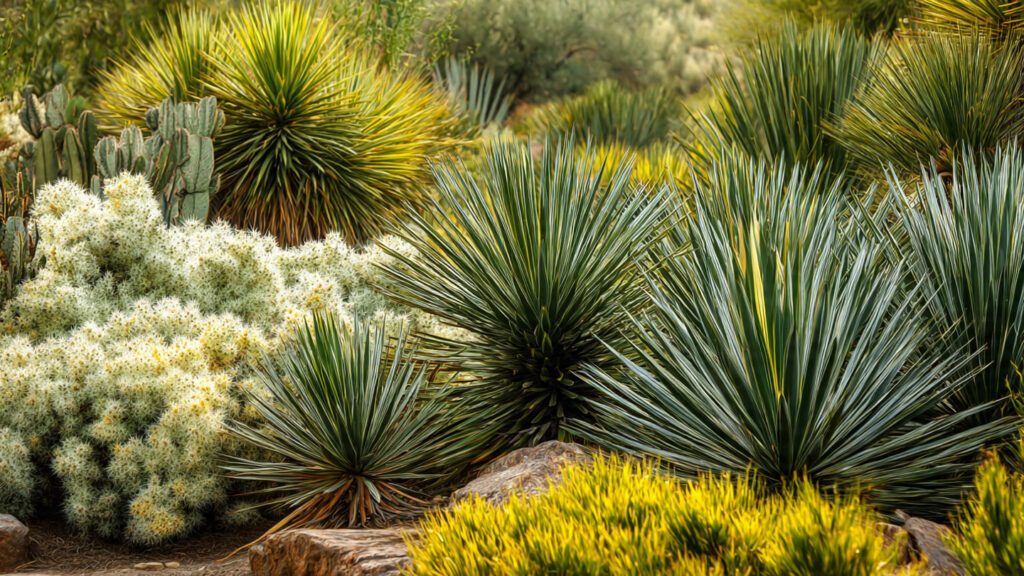
Yucca plants are a striking addition to any garden, offering bold architectural form, spiky evergreen leaves, and dramatic flower spikes that can elevate both small and large outdoor spaces. Native to arid regions of North and Central America, yuccas are known for their resilience, drought tolerance, and low-maintenance care. In modern garden design—where clean lines, texture, and minimal upkeep are valued—yucca plants provide the perfect solution for homeowners seeking beauty without constant attention.
Whether you are a beginner gardener or an experienced landscape designer, understanding the best way to grow yucca ensures healthy plants that thrive for years while enhancing the aesthetic of contemporary outdoor spaces.
Understanding Yucca Plants
Yuccas are perennial, evergreen plants belonging to the Asparagaceae family. They are often mistaken for cacti or succulents due to their stiff, sword-shaped leaves, but they are true flowering plants with a unique growth habit. Yuccas can range in size from low-growing groundcovers to large tree-like specimens, making them versatile for multiple garden applications.
Some common species used in modern gardens include:
- Yucca filamentosa: A clumping variety with fibrous leaf edges, perfect for borders and mass plantings.
- Yucca gloriosa: A taller variety often used as a focal point in landscape design.
- Yucca elephantipes: Known as the spineless yucca, suitable for container growth and indoor-outdoor transitions.
Their striking silhouette makes yuccas ideal for creating contrast with softer plantings or geometric garden layouts.
Benefits of Growing Yucca in Modern Gardens
Yuccas offer multiple benefits for contemporary landscapes:
- Low Maintenance: Yuccas thrive with minimal care, tolerating drought, poor soils, and high heat.
- Architectural Appeal: Their bold, upright leaves and dramatic flower spikes create visual interest and structure.
- Drought Tolerance: Perfect for xeriscaping or water-conscious gardens, yuccas require little supplemental irrigation once established.
- Versatility: Suitable for borders, rock gardens, containers, and even indoor spaces, yuccas adapt to different garden scales and styles.
- Longevity: These hardy perennials can live for decades with proper care, providing long-term value to your garden.
Choosing the Right Location
The first step to achieving optimal growth is selecting the proper location:
- Sunlight: Yuccas thrive in full sun, requiring at least six hours of direct sunlight daily. Some species tolerate partial shade, but full sun promotes the healthiest leaves and most abundant flowering.
- Soil: Well-draining soil is critical. Yuccas are highly susceptible to root rot if planted in heavy clay or waterlogged soil. Sandy or loamy soils with good drainage are ideal.
- Space: Consider the mature size of the yucca variety. Allow sufficient spacing for airflow between plants to prevent overcrowding and to showcase their architectural form.
Planting Yucca Correctly
1. Preparing the Soil
Before planting, amend the soil with coarse sand or gravel to improve drainage, especially in clay-heavy areas. Yuccas prefer slightly acidic to neutral pH levels, but they are adaptable to a range of soil conditions. Avoid over-fertilizing, as rich soil can encourage excessive leafy growth at the expense of flowers.
2. Planting Technique
- Containers: For smaller gardens or patios, plant yuccas in large containers with a well-draining cactus or succulent mix. Ensure the pot has drainage holes.
- In-Ground: Dig a hole twice the width of the root ball but no deeper than the plant’s original depth. Place the yucca in the hole, backfill with amended soil, and water thoroughly.
3. Mulching
Apply a thin layer of organic mulch around the base, keeping it a few inches away from the trunk to prevent rot. Mulch helps retain soil moisture, reduces weed growth, and stabilizes temperature in both hot and cold climates.
Watering and Maintenance
Despite their drought tolerance, young yuccas need consistent watering to establish strong roots:
- Young Plants: Water regularly during the first year to ensure deep root development.
- Established Plants: Once mature, water only during prolonged dry periods. Overwatering is the most common cause of failure in yucca cultivation.
- Fertilization: Yuccas do not require frequent feeding. A light application of slow-release, low-nitrogen fertilizer in early spring promotes growth without encouraging excessive leafy development.
Pruning and Grooming for Modern Aesthetics
Maintaining yucca’s form is essential for modern garden design:
- Remove Dead Leaves: Trim brown or damaged leaves close to the base to maintain clean lines.
- Control Flower Spikes: Flower spikes can grow several feet tall. While beautiful, removing spent spikes after flowering keeps the garden tidy and prevents self-seeding.
- Divide Clumps: Yuccas often produce offsets or suckers. Dividing these clumps every few years encourages healthy growth and prevents overcrowding.
Propagating Yucca
One of the benefits of yucca is the ease of propagation, allowing gardeners to expand their plantings naturally:
- Offsets: Dig up small shoots near the base of the parent plant and replant them in well-draining soil.
- Stem Cuttings: For tree-like species, cut a healthy stem, allow it to callus for a few days, then plant in sandy soil.
- Seed: While possible, growing from seed is slower and less common in home gardens.
Propagation not only multiplies plants for larger landscapes but also rejuvenates older specimens.
Pest and Disease Management
Yuccas are hardy, but occasional issues may arise:
- Pests: Scale insects, aphids, and spider mites may infest leaves. Use horticultural soap or neem oil to control infestations.
- Diseases: Root rot is the most common problem and usually results from poor drainage. Ensuring proper soil conditions and avoiding overwatering prevents this issue.
Regular inspection and preventative care are key to maintaining the plant’s vigor.
➡️ How to Grow Malabar Spinach from Cuttings for Fast, Easy Greens
➡️ How to Grow Super Delicious Cabbage at Home Without a Garden
➡️ How to Grow Bean Sprouts at Home in Plastic Bottles Easily (Step‑by‑Step Guide)
➡️ Why is Your Lemon Tree Blooming in the Heart of Winter?
➡️ Why Should Your Garden Have a Dedicated Pollinator Highway?
➡️ Why Do Your Fruit Trees Need a Winter Wash to Thrive in Spring?
➡️ How Can Rice Water Transform Your Fruits into Sweeter Delights?
➡️ Jumpstart Your Winter Garden: Seed Starting Under Lights
Incorporating Yucca into Modern Garden Design
Yuccas are ideal for contemporary landscapes due to their sculptural form:
- Minimalist Gardens: Use a single large yucca as a focal point surrounded by gravel or mulch for a clean, modern look.
- Rock Gardens: Plant yuccas with rocks and other drought-tolerant plants for texture and height variation.
- Mixed Borders: Combine yucca with succulents, ornamental grasses, or flowering perennials to create layered, eye-catching designs.
- Container Gardening: Smaller yuccas or spineless varieties work beautifully on patios, balconies, or rooftop gardens, adding vertical interest.
Their sharp leaf forms provide a striking contrast to softer foliage and flowing plant textures, making them perfect for contemporary aesthetics.
Seasonal Care
- Spring: Check for new growth, remove any winter-damaged leaves, and lightly fertilize.
- Summer: Monitor watering carefully; prune dead leaves as necessary. Flower spikes may appear.
- Fall: Reduce watering as temperatures cool; remove spent flowers.
- Winter: Protect young or container-grown yuccas from frost. Mulch around the base for insulation if in colder climates.
Environmental and Sustainability Benefits
Yuccas are not only visually appealing but also environmentally friendly:
- Drought-Tolerant: Reduce water consumption in your garden.
- Low Fertilizer Requirements: Minimal feeding reduces chemical runoff.
- Wildlife-Friendly: Flowers attract pollinators such as bees and hummingbirds.
By incorporating yucca, gardeners can design sustainable landscapes that are beautiful, functional, and resilient.
Conclusion
Growing yucca in modern gardens offers both aesthetic and practical rewards. Their architectural form, low-maintenance nature, and adaptability make them ideal for contemporary landscapes that value simplicity, sustainability, and visual impact. Achieving the best results involves understanding their growth habits, planting in well-draining soil with adequate sunlight, and practicing minimal but consistent care, including pruning and occasional division.
With careful attention to placement, watering, and maintenance, yucca plants will thrive, providing striking foliage, dramatic flower spikes, and a long-lived presence in your garden. Whether used as a bold focal point, part of a xeriscaped garden, or integrated into container plantings, yucca adds texture, height, and elegance to modern landscapes.
By following these best practices, you can achieve a garden where yucca not only survives but flourishes—bringing structure, drama, and resilience to your outdoor space for years to come.