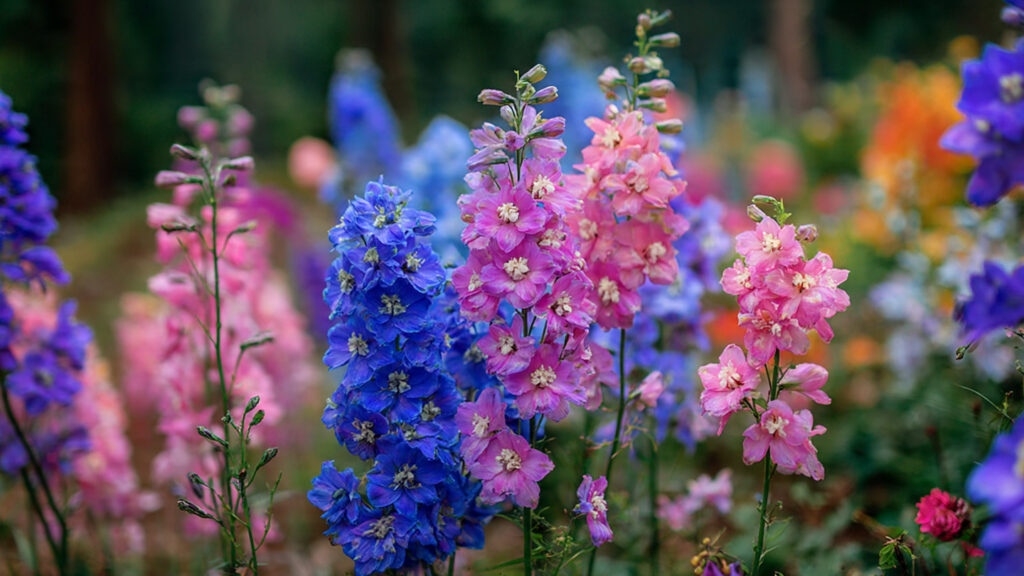
Few flowers capture the romance of a cottage garden quite like larkspur. With its tall, elegant spires of blue, lavender, pink, and white blooms, larkspur adds vertical drama and soft movement to beds and borders. Often confused with its perennial cousin, Delphinium, larkspur (annual varieties most commonly from the genus Consolida) thrives in cool-season conditions and rewards gardeners with weeks of graceful color.
If you’ve struggled with larkspur in the past, chances are timing—not technique—was the problem. Understanding its love of cool weather is the secret to success. In this guide, you’ll discover how to plant, care for, and enjoy thriving larkspur even if you’re new to growing flowers.
Understanding Larkspur’s Cool-Season Nature
Larkspur is a classic cool-season annual. Unlike heat-loving summer blooms, it performs best in mild temperatures and can tolerate light frosts. In fact, it often grows stronger when exposed to cool nights and moderate daytime warmth.
In regions with cold winters, larkspur is typically sown in early spring as soon as the soil can be worked. In milder climates, fall sowing is even better. Seeds germinate during cool weather, establish roots over winter, and burst into bloom in spring before summer heat arrives.
When temperatures consistently exceed 75–80°F (24–27°C), larkspur may begin to decline. Planning your planting window around cool conditions is essential.
Choosing the Right Location
Larkspur thrives in full sun during cooler months but appreciates light afternoon shade in warmer regions. Ideally, provide:
- 6–8 hours of sunlight daily
- Well-draining soil
- Good air circulation
Avoid low-lying areas where water collects. Larkspur dislikes soggy roots and can suffer from rot if drainage is poor.
If your soil is heavy clay, improve it with compost before planting. Light, loamy soil encourages strong root development and upright stems.
Direct Sowing: The Best Method
Larkspur does not transplant well. Its long taproot dislikes disturbance, so direct sowing is strongly recommended.
When to Sow
- Cold climates: Early spring, 2–4 weeks before last frost
- Mild climates: Late fall to early winter
Interestingly, larkspur seeds benefit from a period of cold stratification. If planting in spring, you can refrigerate seeds for 1–2 weeks before sowing to improve germination.
How to Sow
- Prepare the soil by loosening it and removing weeds.
- Scatter seeds lightly over the surface.
- Cover with about ¼ inch of soil.
- Water gently.
Germination usually occurs within 10–21 days in cool conditions.
Watering Wisely
Larkspur prefers consistent moisture during germination and early growth. However, overwatering is one of the biggest mistakes gardeners make.
Follow these watering tips:
- Keep soil evenly moist, not soggy.
- Water at the base of the plant to avoid wet foliage.
- Reduce watering once plants are established.
Too much moisture combined with warm temperatures can encourage fungal issues like powdery mildew.
Supporting Tall Growth
One of larkspur’s greatest strengths—its height—can also be a challenge. Many varieties grow 2–4 feet tall, and some can reach even higher.
➡️ How to Grow Malabar Spinach from Cuttings for Fast, Easy Greens
➡️ How to Grow Super Delicious Cabbage at Home Without a Garden
➡️ How to Grow Bean Sprouts at Home in Plastic Bottles Easily (Step‑by‑Step Guide)
➡️ Why is Your Lemon Tree Blooming in the Heart of Winter?
➡️ Why Should Your Garden Have a Dedicated Pollinator Highway?
➡️ Why Do Your Fruit Trees Need a Winter Wash to Thrive in Spring?
➡️ How Can Rice Water Transform Your Fruits into Sweeter Delights?
➡️ Jumpstart Your Winter Garden: Seed Starting Under Lights
To prevent flopping:
- Plant in groups rather than single stems.
- Use small stakes or supports early.
- Position plants near fences or companion plants for natural support.
Staking early is easier than trying to rescue bent stems later.
Fertilizing for Healthy Blooms
Larkspur is not a heavy feeder, but it does appreciate nutrient-rich soil. Before planting, incorporate compost or well-rotted manure.
During growth:
- Use a balanced, diluted fertilizer once every 3–4 weeks.
- Avoid high-nitrogen fertilizers, which promote leafy growth at the expense of flowers.
Healthy soil often eliminates the need for frequent feeding.
Managing Pests and Diseases
Cool-season growth reduces pest pressure, but you may encounter a few common issues:
Aphids
Small clusters on tender stems can be washed away with water or treated with insecticidal soap.
Powdery Mildew
This white fungal coating appears in warm, humid conditions. Prevent it by:
- Ensuring good air circulation
- Watering at soil level
- Avoiding overcrowding
Slugs
Young seedlings may attract slugs in damp weather. Use barriers or organic controls if needed.
Maintaining plant health through proper spacing and watering is the best defense.
Deadheading and Extended Bloom
To prolong flowering:
- Remove spent blooms regularly.
- Cut flower spikes for bouquets.
Harvesting flowers actually encourages more blooming. Cut stems when about one-third of the florets have opened for longest vase life.
In ideal cool conditions, larkspur may bloom for several weeks, creating a soft, romantic display.
Companion Planting Ideas
Larkspur pairs beautifully with other cool-season flowers. Consider planting alongside:
- Snapdragons
- Poppies
- Sweet peas
- Foxgloves
The vertical spires contrast nicely with mounded or trailing plants. In cottage-style gardens, larkspur weaves effortlessly among mixed plantings.
Saving Seeds for Next Season
One of the joys of growing larkspur is how easily it reseeds.
Allow some flower spikes to dry on the plant. Once seed pods turn brown:
- Cut the stems.
- Place them in a paper bag.
- Shake gently to release seeds.
Store in a cool, dry place for next season. In many gardens, larkspur will self-sow naturally, returning year after year without effort.
Why Larkspur Thrives in Cool Conditions
Cool temperatures encourage:
- Strong root development
- Sturdy stems
- Richer bloom color
- Longer flowering periods
When grown in heat, plants often become leggy and short-lived. That’s why understanding its seasonal rhythm is essential. Rather than fighting summer conditions, embrace larkspur as a spring or early-season star.
Growing Larkspur in Containers
Although typically grown in garden beds, larkspur can succeed in large containers with proper care.
Choose:
- Deep pots (at least 12 inches)
- High-quality potting mix
- Excellent drainage holes
Because containers dry out faster, monitor moisture carefully. Place pots where they receive morning sun and afternoon shade in warmer climates.
Container-grown larkspur makes a stunning statement on patios and balconies during the cooler months.
Common Mistakes to Avoid
- Planting too late in spring – Heat shortens bloom time.
- Overwatering – Leads to root problems.
- Transplanting seedlings – Often results in stunted plants.
- Crowding plants – Encourages disease.
- Ignoring support needs – Causes stems to flop.
By avoiding these pitfalls, you dramatically increase your success rate.
The Emotional Appeal of Larkspur
Beyond its growing requirements, larkspur offers something deeply nostalgic. Its airy spires sway in the breeze, softening hard garden edges. Historically associated with lightness and positivity, it has long been a favorite in cottage gardens and wildflower meadows.
In floral arrangements, larkspur provides height and texture without heaviness. Its cool-toned blues and purples create calming compositions, especially when paired with creamy whites or blush pinks.
Final Thoughts: Mastering Cool-Season Success
Growing larkspur successfully comes down to one key principle: work with the seasons, not against them. Plant early, embrace cool weather, and avoid the temptation to treat it like a summer annual.
By:
- Direct sowing at the right time
- Providing well-drained soil
- Watering carefully
- Supporting tall stems
- Encouraging airflow
—you’ll enjoy strong, upright plants covered in elegant blooms.
When temperatures begin to rise and other flowers take center stage, larkspur gracefully steps aside, having delivered its unforgettable spring performance.