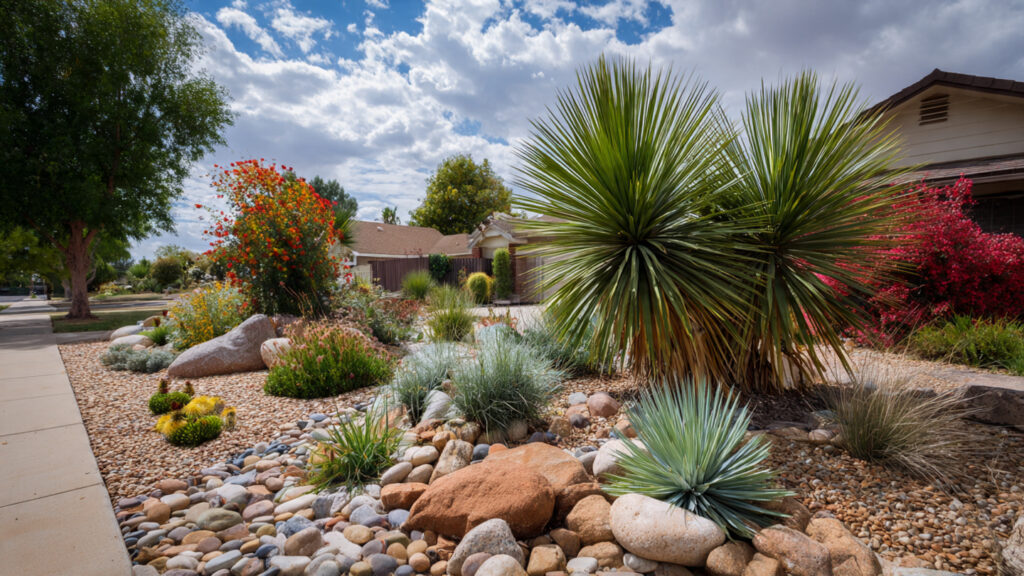
If you’re looking to add a striking, resilient plant to your garden without draining your water supply, the spineless yucca might be the perfect choice. Known for its dramatic architectural leaves and drought-tolerant nature, this plant thrives in arid and semi-arid climates, making it ideal for eco-friendly landscaping. In this guide, we’ll explore everything you need to know about growing spineless yucca—from planting and soil requirements to care and maintenance—so you can enjoy a beautiful, low-maintenance garden that’s both sustainable and visually appealing.
Understanding Spineless Yucca
The spineless yucca (Yucca elephantipes or Yucca gigantea in some varieties) is a hardy, perennial succulent native to Mexico and Central America. Unlike traditional yuccas, which can have sharp, needle-like tips, the spineless variety is safer to handle and perfect for households with children or pets. Its long, sword-shaped leaves can grow up to several feet tall, creating a dramatic focal point in any garden.
But what truly sets the spineless yucca apart is its ability to survive in low-water environments. Its deep root system allows it to tap into moisture reserves underground, meaning it can thrive where many other ornamental plants struggle. This makes it an excellent choice for xeriscaping, a landscaping method focused on water conservation.
Choosing the Right Location
Selecting the right spot in your garden is the first step toward successfully growing spineless yucca. Consider these factors:
- Sunlight: Spineless yucca thrives in full sun to partial shade. For optimal growth and leaf color, aim for a location that receives at least six hours of direct sunlight daily.
- Space: These plants can grow tall and wide, so leave enough room for their foliage to expand without crowding neighboring plants.
- Drainage: Well-draining soil is essential. Yuccas dislike waterlogged roots, which can lead to rot. Avoid low-lying areas that collect water after rain or irrigation.
By carefully choosing the location, you can ensure your yucca remains healthy while minimizing water use.
Preparing the Soil
Though spineless yucca is not fussy about soil, certain conditions will help it thrive:
- Well-Drained Soil: Mix sand or gravel into your garden soil to improve drainage. Yuccas prefer sandy or loamy soil over clay-heavy soil.
- pH Levels: A slightly acidic to neutral pH (6.0–7.0) works best, though these plants are quite adaptable.
- Nutrients: Incorporate organic compost or slow-release fertilizer when planting to encourage strong root development.
Proper soil preparation is a one-time investment that will save water and maintenance efforts in the long run.
Planting Spineless Yucca
Planting spineless yucca is straightforward. Follow these steps to give your plant the best start:
- Dig the Hole: Make a hole twice the width of the root ball and slightly deeper than the plant’s roots.
- Position the Plant: Place the yucca in the hole so that the top of the root ball is level with the surrounding soil.
- Backfill Carefully: Fill in with a mixture of native soil and compost, gently tamping down to eliminate air pockets.
- Water Lightly: Give the plant a thorough initial watering, but allow the soil to dry out between watering sessions thereafter.
Planting in the early spring or fall is ideal, as this gives the yucca time to establish roots before extreme temperatures hit.
Watering Tips for a Low-Water Landscape
One of the most appealing features of spineless yucca is its minimal water requirements. Overwatering is one of the most common mistakes gardeners make. Follow these tips for a healthy, water-wise yucca:
- Initial Stage: Water weekly during the first month after planting to help the roots establish.
- Established Plants: Once mature, yuccas can go weeks without water, relying on rainfall and deep soil moisture.
- Signs of Stress: Yellowing or drooping leaves may indicate overwatering, while brown leaf tips can indicate underwatering. Adjust accordingly.
Using mulch around the base can help retain soil moisture, reduce weeds, and keep root temperatures stable, all while saving water.
Fertilizing Spineless Yucca
Spineless yucca is low-maintenance, but occasional feeding encourages stronger growth and vibrant foliage.
- Type of Fertilizer: Use a balanced, slow-release fertilizer or one formulated for cacti and succulents.
- Frequency: Fertilize once in early spring and once mid-summer. Avoid fertilizing in winter when growth slows.
- Application: Spread the fertilizer evenly around the base, keeping it a few inches away from the crown to prevent burn.
Organic options like compost or worm castings can also provide nutrients while enriching the soil naturally, aligning with eco-friendly gardening practices.
Pruning and Maintenance
Spineless yucca requires minimal pruning. However, some simple steps will keep your plant healthy and attractive:
- Remove Dead Leaves: Trim off yellow or brown leaves at the base to prevent pests and improve appearance.
- Control Size: If your yucca grows too large, cut back the tallest leaves in early spring. New growth will emerge naturally.
- Watch for Pests: Spineless yucca is generally pest-resistant, but occasionally scale insects or mealybugs may appear. Treat infestations with insecticidal soap or neem oil.
Regular observation and light pruning are all that’s needed to maintain a clean, sculptural look.
➡️ How to Grow Malabar Spinach from Cuttings for Fast, Easy Greens
➡️ How to Grow Super Delicious Cabbage at Home Without a Garden
➡️ How to Grow Bean Sprouts at Home in Plastic Bottles Easily (Step‑by‑Step Guide)
➡️ Why is Your Lemon Tree Blooming in the Heart of Winter?
➡️ Why Should Your Garden Have a Dedicated Pollinator Highway?
➡️ Why Do Your Fruit Trees Need a Winter Wash to Thrive in Spring?
➡️ How Can Rice Water Transform Your Fruits into Sweeter Delights?
➡️ Jumpstart Your Winter Garden: Seed Starting Under Lights
Propagating Spineless Yucca
One of the joys of growing yucca is that it’s easy to propagate, allowing you to expand your low-water garden without buying new plants:
- Offsets: Spineless yuccas produce small shoots around the base. Gently separate these offsets and plant them in new locations.
- Stem Cuttings: Take a healthy stem cutting, let it callous over for a few days, then plant it in well-drained soil. Water sparingly until roots form.
Propagation is a sustainable way to multiply your plants and create a cohesive, water-wise landscape.
Designing an Eco-Friendly Landscape with Spineless Yucca
Spineless yucca can be the centerpiece of a low-water garden. Consider pairing it with other drought-tolerant plants such as agave, lavender, or ornamental grasses. This creates a dynamic, visually appealing landscape with minimal irrigation needs.
- Rock Gardens: Place yucca among rocks and gravel for a natural desert-inspired look.
- Borders and Pathways: Use yucca to line pathways or frame patios, adding vertical interest and texture.
- Container Gardening: Spineless yucca thrives in large pots, perfect for patios or small spaces. Ensure good drainage and use cactus soil mix.
These design ideas not only conserve water but also reduce garden maintenance, making your outdoor space both sustainable and stunning.
Benefits of Growing Spineless Yucca
Besides being water-efficient, spineless yucca offers multiple benefits:
- Aesthetic Appeal: Its dramatic foliage adds structure and elegance to any garden.
- Low Maintenance: Minimal pruning, rare pest issues, and drought tolerance make it ideal for busy gardeners.
- Environmental Impact: By choosing drought-tolerant plants, you reduce water consumption and support sustainable landscaping.
- Safety: Spineless leaves make it safer for children, pets, and gardeners compared to traditional yuccas.
Integrating spineless yucca into your garden demonstrates that beauty and sustainability can go hand in hand.
Conclusion
Spineless yucca is the ultimate plant for eco-friendly, low-water landscapes. Its dramatic form, minimal water requirements, and easy care make it a perfect choice for gardeners seeking sustainability without compromising on style. By selecting the right location, preparing well-draining soil, watering wisely, and practicing simple maintenance, you can enjoy a thriving yucca garden that conserves resources, supports the environment, and brings year-round visual interest to your outdoor space.
Whether planted in the ground or in containers, spineless yucca proves that resilient plants can be beautiful, practical, and environmentally responsible. Start cultivating your own low-water paradise today and experience the joy of sustainable gardening with this remarkable plant.