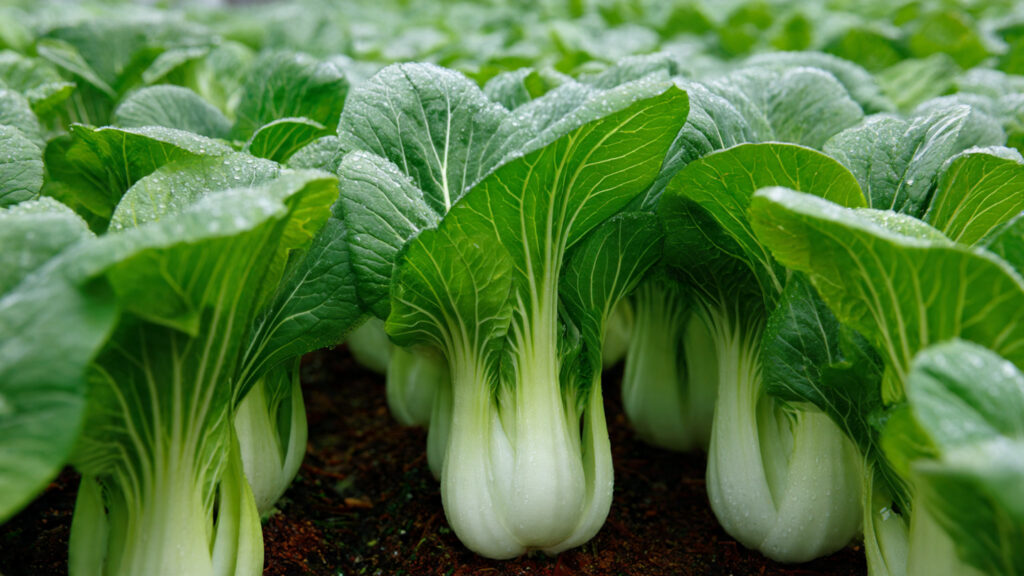
Pak Choi, also known as Bok Choy, is a versatile leafy green that has been a staple in Asian cuisine for centuries. Its crisp stems and tender leaves make it perfect for stir-fries, soups, salads, and even smoothies. But for home gardeners, one of the most exciting challenges is achieving a continuous harvest of Pak Choi throughout the year. With the right techniques, timing, and care, you can enjoy a steady supply of fresh, nutritious greens regardless of the season. This guide will walk you through everything you need to know to make year-round Pak Choi gardening a reality.
Understanding Pak Choi: The Basics
Before diving into continuous harvesting strategies, it’s essential to understand the plant itself. Pak Choi is a fast-growing leafy vegetable that thrives in cool weather. It belongs to the Brassica family, which also includes cabbage, broccoli, and kale. Its growth cycle is relatively short—typically 30 to 45 days from sowing to harvest—making it ideal for succession planting and staggered harvesting.
There are several varieties of Pak Choi, including:
- Baby Pak Choi – Small, tender, and ideal for salads.
- Shanghai Pak Choi – Slightly larger with mild flavor.
- Joi Choi – A vigorous, heat-tolerant variety suitable for summer growth.
Knowing which variety you want to grow can influence your planting schedule and harvesting strategy.
Step 1: Preparing the Soil for Continuous Growth
Healthy soil is the foundation of continuous Pak Choi harvesting. These plants prefer rich, well-draining soil with a slightly acidic to neutral pH of 6.0 to 7.5.
Tips for soil preparation:
- Add organic matter – Mix compost or well-rotted manure into your garden beds to enrich the soil and provide essential nutrients.
- Ensure proper drainage – Pak Choi roots are shallow and can rot if waterlogged. Raised beds or containers can help prevent this.
- Loosen the soil – Lightly tilling the soil allows roots to expand and promotes rapid growth.
- Fertilize lightly – A balanced fertilizer rich in nitrogen supports leafy growth. Too much nitrogen, however, can attract pests.
A well-prepared soil bed ensures that each planting thrives and produces high-quality leaves consistently.
Step 2: Timing Your Plantings
To achieve a continuous harvest, timing is everything. Pak Choi grows best in cool weather, which means spring, fall, and mild winter months are ideal. In warmer regions, you can grow it year-round with proper shade and protection.
Succession planting is the key technique for year-round supply. Here’s how to do it:
- Plant every 2–3 weeks: Sow a small batch of seeds in intervals so that when one batch is ready for harvest, the next is already growing.
- Rotate varieties: Choose faster-growing baby Pak Choi for quick harvests and larger varieties for later use.
- Use containers: If outdoor conditions are harsh, planting in pots allows you to move them to cooler or sheltered areas, extending the growing season.
By staggering plantings, you avoid the frustrating scenario of having all your plants mature at once and then waiting weeks for the next crop.
Step 3: Planting Techniques for Maximum Yield
Proper planting techniques help ensure healthy plants and reduce pest or disease issues.
Direct sowing vs. transplanting:
- Direct sowing is suitable for garden beds; sow seeds about ½ inch deep and 1 inch apart. Thin seedlings to 6–8 inches apart once they sprout.
- Transplanting seedlings grown in trays allows you to get a head start indoors, especially in colder months. Seedlings should be 3–4 weeks old before transplanting.
Companion planting:
Pak Choi benefits from being planted alongside herbs and flowers that repel pests. Consider planting marigolds, nasturtiums, or mint nearby to protect your crop.
Watering tips:
Keep soil consistently moist but not soggy. Pak Choi has shallow roots, so frequent light watering is better than infrequent deep watering. Mulching helps retain soil moisture and prevents weeds from competing for nutrients.
Step 4: Harvesting Without Halting Growth
One of the secrets to continuous Pak Choi production is harvesting leaves selectively rather than pulling out the entire plant.
➡️ How to Grow Malabar Spinach from Cuttings for Fast, Easy Greens
➡️ How to Grow Super Delicious Cabbage at Home Without a Garden
➡️ How to Grow Bean Sprouts at Home in Plastic Bottles Easily (Step‑by‑Step Guide)
➡️ Why is Your Lemon Tree Blooming in the Heart of Winter?
➡️ Why Should Your Garden Have a Dedicated Pollinator Highway?
➡️ Why Do Your Fruit Trees Need a Winter Wash to Thrive in Spring?
➡️ How Can Rice Water Transform Your Fruits into Sweeter Delights?
➡️ Jumpstart Your Winter Garden: Seed Starting Under Lights
Harvesting techniques:
- Outer leaf picking: Start by picking the largest outer leaves while leaving the inner growth intact. This encourages the plant to keep producing new leaves.
- Cut-and-come-again: Using a sharp knife or scissors, cut leaves about 1 inch above the base. Avoid damaging the crown, which is the heart of new growth.
- Harvest early in the morning: Leaves are crisper and fresher in the morning, and this reduces stress on the plant.
By harvesting in this manner, a single plant can provide multiple rounds of fresh leaves over several weeks, maximizing your garden’s productivity.
Step 5: Managing Pests and Diseases
Even with careful planting, Pak Choi can be susceptible to pests like aphids, flea beetles, and cabbage worms, as well as diseases such as downy mildew or clubroot.
Effective strategies:
- Regular inspection: Check your plants at least twice a week for early signs of pests.
- Natural deterrents: Spray neem oil or garlic extract to ward off insects.
- Row covers: Lightweight fabric can prevent pests from reaching your plants while allowing sunlight and water to pass through.
- Crop rotation: Avoid planting Pak Choi in the same spot repeatedly to reduce soil-borne diseases.
Healthy plants are more productive, so managing these threats is essential for continuous harvests.
Step 6: Extending the Growing Season
To enjoy Pak Choi even in off-season months, use season-extension techniques:
- Cold frames or cloches: Protects plants from frost and allows winter harvesting.
- Shade cloth: Reduces heat stress during hot summer months.
- Indoor growing: Pak Choi grows well in pots indoors if provided with bright, indirect sunlight or under grow lights.
With these simple adjustments, you can maintain a steady supply of fresh greens no matter the weather outside.
Step 7: Enjoying Year-Round Freshness
Once you’ve mastered continuous planting, harvesting, and pest management, you’ll have a garden that keeps giving. Fresh Pak Choi can be used in a variety of dishes:
- Stir-fried with garlic and soy sauce
- Added to soups and broths
- Steamed as a healthy side dish
- Tossed in fresh salads
Not only does this reduce trips to the grocery store, but it also ensures you have nutrient-rich, pesticide-free greens at your fingertips.
Final Tips for Success
- Keep records: Note planting dates, varieties, and harvest times to refine your succession plan.
- Fertilize lightly but consistently: Regular feeding supports constant growth.
- Stay organized: Maintain separate beds or containers for each planting batch to avoid confusion.
- Be patient and persistent: Continuous harvesting is a skill that improves with practice.
With dedication, you can transform your garden into a Pak Choi powerhouse, providing crisp, tender leaves every week of the year.
Achieving a continuous harvest of Pak Choi requires planning, consistent care, and smart harvesting techniques. But the reward—fresh, nutrient-packed greens available whenever you need them—is worth every effort. By following this guide, you can enjoy year-round freshness, culinary creativity, and the satisfaction of truly sustainable home gardening.