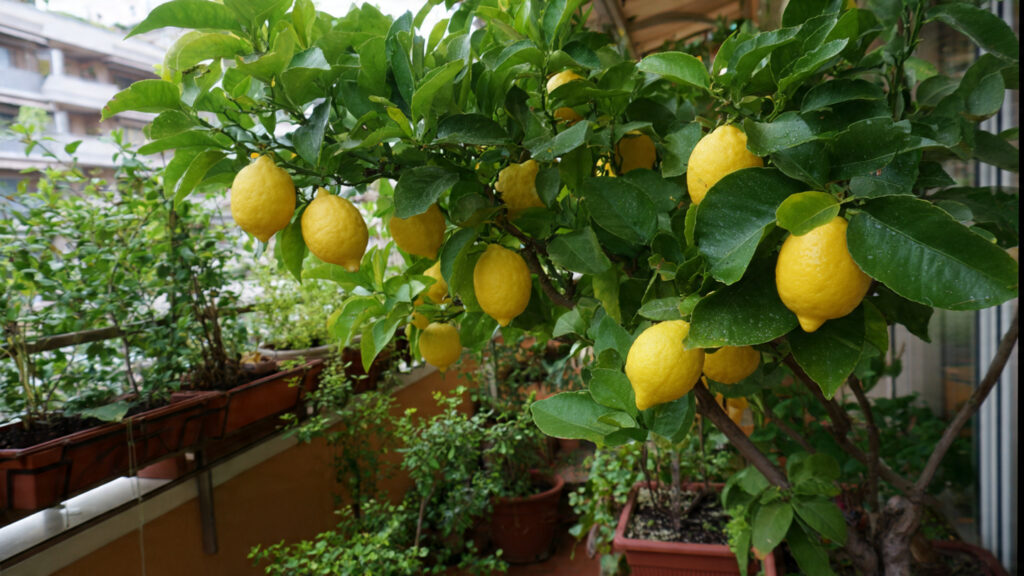
Growing lemon trees in a balcony garden is a dream for many urban gardeners. There’s something magical about harvesting fresh, aromatic lemons just steps away from your kitchen. Beyond the fruit, lemon trees bring lush greenery, fragrant blossoms, and a touch of the Mediterranean to any small outdoor space. Even if you live in a city with limited gardening room, a thriving lemon balcony garden is achievable with the right techniques and consistent care.
This guide will explore everything you need to know—from choosing the right variety to watering, fertilizing, pruning, and arranging your balcony garden for maximum growth and productivity.
Why Grow Lemons on a Balcony?
Lemon trees are naturally compact and adaptable, making them ideal for container gardening. Balcony cultivation offers several advantages:
- Fresh Fruit at Your Fingertips: Enjoy homegrown lemons for cooking, drinks, and desserts without visiting the market.
- Aesthetic Appeal: Lemon trees with glossy green leaves and fragrant flowers enhance the visual charm of your balcony.
- Space Optimization: Even small balconies can host one or two dwarf lemon trees in containers.
- Environmental Benefits: Container-grown trees purify the air, attract pollinators if placed outdoors, and create a serene garden environment.
With careful planning, your balcony can become a productive and beautiful mini orchard.
Choosing the Right Lemon Variety
For balcony gardens, selecting a dwarf or compact variety ensures manageability and optimal fruit production. Recommended varieties include:
- Meyer Lemon: A cross between lemon and mandarin orange, known for its sweet, thin-skinned fruit and compact growth habit. Ideal for containers.
- Lisbon Lemon: Traditional lemon flavor with vigorous growth. Prune carefully to keep size manageable.
- Ponderosa Lemon: Large fruits and thick, glossy leaves. Best for larger balconies or larger containers.
Choosing a variety suited for containers ensures easier care, manageable pruning, and abundant fruit production.
Selecting the Right Container
The right container is crucial for a thriving lemon balcony garden:
- Size: Start with a pot at least 12–18 inches in diameter for young trees. Mature trees may require 18–24 inch containers to support root growth.
- Drainage: Ensure the pot has multiple drainage holes to prevent waterlogging, which can cause root rot.
- Material: Lightweight containers, such as fiberglass, resin, or plastic, are easier to move, while ceramic or terracotta pots offer stability and aesthetic appeal.
Remember that lemon trees in containers grow faster than those in-ground, but they also require more attention to watering and nutrients.
Soil Requirements
Lemon trees thrive in well-draining soil rich in organic matter:
- Potting Mix: Use a high-quality citrus or general-purpose potting mix with sand or perlite to improve drainage.
- pH: Slightly acidic soil (pH 5.5–6.5) promotes nutrient absorption and healthy growth.
- Aeration: Avoid compacted soil, which can suffocate roots. Refresh topsoil annually to maintain soil health.
Proper soil ensures strong root development, abundant foliage, and high-quality fruit.
Light and Placement
Lemon trees require abundant sunlight to thrive:
- Sunlight Needs: Place your container where the tree receives at least 6–8 hours of direct sunlight daily. South-facing balconies are ideal.
- Temperature Considerations: Lemon trees prefer temperatures between 55°F and 85°F (13°C to 29°C). In colder climates, move the container indoors or use a balcony enclosure during winter.
- Wind Protection: While lemon trees enjoy fresh air, strong winds can damage leaves and flowers. Use a balcony screen or strategically position the tree near a wall for protection.
Proper light and placement are essential for flower initiation and fruit development.
Watering Tips
Container-grown lemon trees require regular watering because soil dries faster than in-ground plantings:
- Young Trees: Keep soil consistently moist but not soggy. Water thoroughly when the top inch of soil feels dry.
- Mature Trees: Water deeply every 3–7 days depending on weather, container size, and humidity.
- Avoid Overwatering: Too much water can cause root rot, leaf drop, and reduced fruiting. Ensure good drainage.
A watering schedule combined with mulch can maintain soil moisture and reduce maintenance effort.
Fertilization
Lemon trees are heavy feeders, especially in containers. Regular fertilization encourages vigorous growth and abundant fruit:
➡️ How to Grow Malabar Spinach from Cuttings for Fast, Easy Greens
➡️ How to Grow Super Delicious Cabbage at Home Without a Garden
➡️ How to Grow Bean Sprouts at Home in Plastic Bottles Easily (Step‑by‑Step Guide)
➡️ Why is Your Lemon Tree Blooming in the Heart of Winter?
➡️ Why Should Your Garden Have a Dedicated Pollinator Highway?
➡️ Why Do Your Fruit Trees Need a Winter Wash to Thrive in Spring?
➡️ How Can Rice Water Transform Your Fruits into Sweeter Delights?
➡️ Jumpstart Your Winter Garden: Seed Starting Under Lights
- Citrus Fertilizer: Use a slow-release or water-soluble citrus-specific fertilizer. Follow package directions for frequency and dosage.
- Balanced Nutrients: Nitrogen promotes leafy growth, phosphorus encourages strong roots, and potassium supports flowering and fruit development.
- Micronutrients: Include magnesium, iron, and zinc to prevent yellowing leaves and nutrient deficiencies.
Fertilize monthly during the growing season and reduce feeding during winter dormancy.
Pruning and Training
Regular pruning ensures your lemon tree remains compact, healthy, and productive:
- Shape the Tree: Remove dead, damaged, or crossing branches to maintain a tidy shape and improve airflow.
- Control Height: Cut back overly tall shoots to maintain a manageable height for balcony harvests.
- Encourage Fruiting: Prune lightly after harvest to stimulate new growth and flowering.
- Remove Suckers: Trim shoots from the base to prevent energy diversion from fruiting branches.
Pruning not only controls size but also accelerates growth and improves sunlight penetration, boosting fruit quality.
Pollination
Most lemon trees are self-pollinating, but hand pollination can improve fruit set:
- Use a Brush: Gently transfer pollen from flower to flower using a small paintbrush.
- Attract Pollinators: If your balcony is outdoors, bees and butterflies will naturally pollinate flowers, increasing fruit yield.
Enhanced pollination ensures consistent fruit production, especially in urban environments with fewer insects.
Pest and Disease Management
Even balcony lemon trees are susceptible to pests and diseases. Regular monitoring prevents serious problems:
- Common Pests: Aphids, spider mites, scale insects, and whiteflies. Use insecticidal soap or neem oil for control.
- Diseases: Root rot from overwatering, powdery mildew, and citrus canker. Proper watering, good airflow, and sunlight reduce risks.
- Preventive Measures: Remove fallen leaves, avoid overcrowding, and check leaves weekly for signs of infestation.
Healthy trees are more productive, easier to manage, and less prone to stress-related diseases.
Companion Plants for Balcony Gardens
Planting companion species enhances the beauty and function of your balcony garden:
- Herbs: Rosemary, basil, or thyme benefit from similar sunlight and water conditions.
- Flowering Plants: Marigolds, petunias, or geraniums add color while attracting pollinators.
- Succulents: Small succulents complement the lemon tree visually and thrive in container conditions.
Strategic companion planting creates a visually appealing, low-maintenance mini garden on your balcony.
Winter Care
In colder climates, balcony lemon trees require protection during winter:
- Move Indoors: Place the tree near a sunny window or in a sunroom during freezing temperatures.
- Frost Protection: Cover the tree with frost cloth or insulating materials if it remains outdoors.
- Reduce Watering: Trees grow slowly in winter; avoid overwatering during dormancy.
Winter preparation ensures your balcony lemon tree survives cold months and resumes growth in spring.
Harvesting Lemons
Knowing when and how to harvest is crucial for continuous production:
- Ripeness Indicators: Lemons are ready when they turn fully yellow (or yellow-orange for Meyer lemons) and feel firm.
- Cut, Don’t Pull: Use pruning shears or scissors to avoid damaging branches.
- Frequent Harvesting: Picking ripe lemons promptly encourages further flowering and fruiting.
A well-managed harvest keeps your balcony lemon tree productive and healthy.
Conclusion
Creating a thriving lemon balcony garden is both rewarding and achievable. By selecting the right dwarf variety, providing adequate sunlight, using well-draining soil, managing watering and fertilization, and practicing regular pruning, even small urban balconies can host lush, productive lemon trees.
Balcony gardening combines practicality and beauty—bringing fresh fruit, fragrant blossoms, and greenery into urban living spaces. With thoughtful care and attention, your balcony can transform into a miniature citrus paradise, providing fresh lemons, visual appeal, and a touch of Mediterranean charm year-round.
Whether you are a beginner or experienced gardener, applying these tips ensures your lemon balcony garden thrives, producing fruit, fragrance, and beauty for years to come.