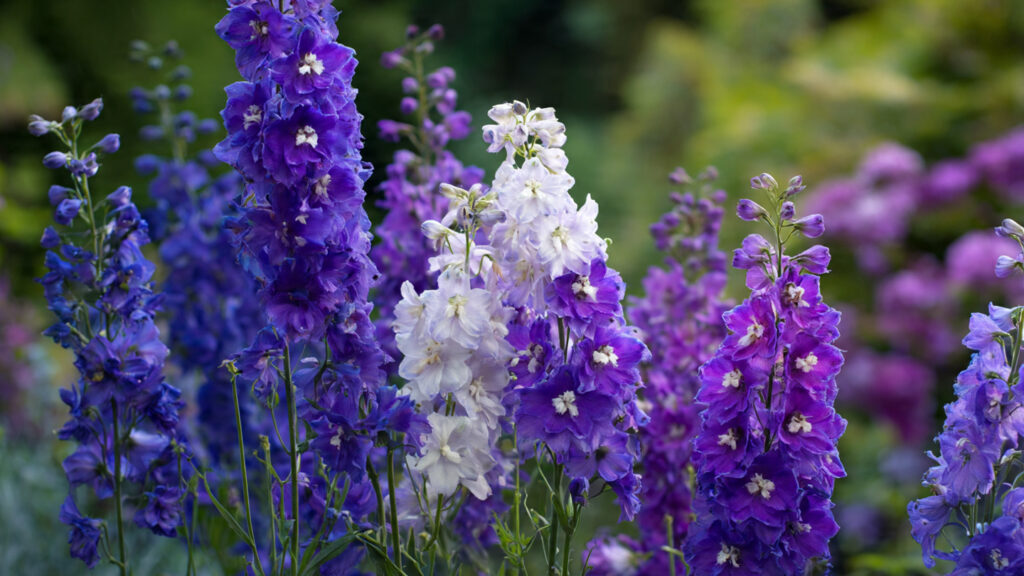
Few flowers bring the same old-fashioned charm and vertical drama to a garden as larkspur. With its towering spires of delicate blooms in shades of blue, purple, pink, and white, larkspur creates a striking backdrop for borders and cottage-style gardens. Often confused with perennial delphiniums, annual larkspur is easier to grow and just as breathtaking when cultivated properly.
If you’ve ever admired tall, elegant flower spikes swaying gently in the breeze and wondered how to achieve that look in your own garden, this guide will walk you through everything you need to know—from soil preparation to staking and seed saving.
Understanding Larkspur
Larkspur commonly refers to annual species in the genus Delphinium, especially Delphinium consolida. Unlike perennial delphiniums, annual larkspur completes its life cycle in one growing season but often self-seeds generously.
These plants typically grow between 2 to 4 feet tall, though in ideal conditions they can stretch even higher. Their tall flower spikes are densely packed with delicate, spurred blossoms that attract pollinators like bees and butterflies.
To grow tall, sturdy spikes, you’ll need to focus on three main factors:
- Proper timing
- Healthy soil
- Balanced nutrition and support
Step 1: Choose the Right Location
Larkspur thrives in full sun, meaning at least 6–8 hours of direct sunlight daily. In very hot climates, especially in warmer parts of India, light afternoon shade can help prevent stress.
Good air circulation is essential. Crowded or poorly ventilated spaces can lead to fungal issues, which weaken stems and reduce spike height.
When selecting your planting area:
- Avoid low-lying spots where water collects.
- Choose a well-drained bed.
- Ensure enough space for plants to grow upright without overcrowding.
Step 2: Start from Seed — Direct Sowing Is Best
Larkspur does not transplant well due to its sensitive taproot. Direct sowing seeds in the garden is highly recommended.
When to Sow
- In cooler climates: Sow in early spring as soon as soil can be worked.
- In mild winter regions: Sow in late autumn for earlier blooms.
- In warm areas: Sow during the coolest part of your growing season.
Larkspur seeds benefit from a brief cold period. You can even refrigerate seeds for 1–2 weeks before planting to improve germination.
How to Sow
- Loosen soil to about 8–10 inches deep.
- Scatter seeds evenly.
- Cover lightly with 1/8 inch of soil.
- Keep soil consistently moist until germination (usually 10–14 days).
Thin seedlings to about 8–12 inches apart once they’re a few inches tall. Proper spacing allows stronger stem development.
Step 3: Prepare Soil for Maximum Height
Tall flower spikes require strong root systems. Soil preparation is crucial.
Ideal Soil Conditions
- Well-draining
- Rich in organic matter
- Slightly alkaline to neutral pH (6.5–7.5)
Before planting:
- Mix compost or aged manure into the top 8–10 inches.
- Avoid heavy clay unless amended with organic matter.
- Avoid overly rich nitrogen-heavy fertilizers early on, which can cause leafy growth at the expense of flowers.
Healthy soil ensures deep roots, and deep roots support tall spikes.
Step 4: Water Wisely
Consistent moisture is key during the early growth stage. However, soggy soil leads to weak stems and root rot.
➡️ How to Grow Malabar Spinach from Cuttings for Fast, Easy Greens
➡️ How to Grow Super Delicious Cabbage at Home Without a Garden
➡️ How to Grow Bean Sprouts at Home in Plastic Bottles Easily (Step‑by‑Step Guide)
➡️ Why is Your Lemon Tree Blooming in the Heart of Winter?
➡️ Why Should Your Garden Have a Dedicated Pollinator Highway?
➡️ Why Do Your Fruit Trees Need a Winter Wash to Thrive in Spring?
➡️ How Can Rice Water Transform Your Fruits into Sweeter Delights?
➡️ Jumpstart Your Winter Garden: Seed Starting Under Lights
Water deeply but less frequently:
- Allow the top inch of soil to dry between waterings.
- Water at the base of the plant.
- Avoid overhead watering, especially once buds form.
Mulching with straw or shredded leaves helps maintain even soil moisture and reduces temperature fluctuations.
Step 5: Feed for Flowers, Not Just Leaves
To encourage tall, vibrant flower spikes, fertilize wisely.
Use a balanced fertilizer (such as 10-10-10) when plants are about 6 inches tall. Once buds begin forming, switch to a bloom-boosting fertilizer that is slightly higher in phosphorus.
Too much nitrogen results in:
- Excessive foliage
- Floppy stems
- Fewer blooms
Feeding lightly but consistently produces stronger, more upright stems.
Step 6: Provide Support Early
Larkspur can grow tall quickly. Without support, wind or heavy rain may bend or break stems.
Staking Tips
- Insert stakes when plants are 8–10 inches tall.
- Use bamboo stakes or thin metal rods.
- Tie loosely with garden twine.
- Alternatively, use grow-through grid supports.
Adding support early prevents root disturbance later.
In windy areas, planting larkspur near a fence or wall offers natural protection.
Step 7: Deadhead for Longer Blooming
If your goal is prolonged flowering rather than seed collection, deadheading is essential.
Once the lower flowers fade:
- Trim spent blooms before seed pods fully mature.
- This encourages secondary side shoots.
- Plants may produce additional, though slightly smaller, spikes.
If you want natural reseeding, allow some seed pods to dry and scatter at the end of the season.
Step 8: Watch for Common Problems
While larkspur is relatively low-maintenance, certain issues can affect spike quality.
1. Powdery Mildew
White coating on leaves, often in humid conditions.
Solution:
- Improve air circulation.
- Avoid overhead watering.
- Use organic fungicides if needed.
2. Aphids
Clusters on new growth.
Solution:
- Spray with water to dislodge.
- Introduce beneficial insects like ladybugs.
3. Floppy Stems
Usually caused by:
- Overfertilization with nitrogen
- Too much shade
- Crowding
Correcting these factors dramatically improves stem strength.
Companion Planting for Dramatic Effect
Larkspur’s vertical form pairs beautifully with low-growing or mounding plants.
Consider planting alongside:
- Coreopsis
- Shasta daisies
- Cosmos
- Lavender
- Sweet alyssum
The contrast between tall spikes and softer forms creates a layered, vibrant display.
For a classic cottage look, mix larkspur in drifts of blues and purples with pastel companions.
Extending the Season
To enjoy blooms for longer:
- Sow seeds in two batches, 2–3 weeks apart.
- Choose varieties with staggered bloom times.
- Keep plants cool and evenly watered.
In cooler climates, larkspur blooms from late spring into early summer. In warmer regions, it may finish earlier due to heat stress.
Harvesting for Cut Flowers
Larkspur makes exceptional cut flowers.
Harvest when:
- About one-third to half of the flowers on the spike are open.
- Early in the morning for best hydration.
Strip lower leaves and place immediately in water. With proper care, larkspur can last 7–10 days in a vase.
Drying is also an option—hang upside down in a cool, dry area for preserved arrangements.
Saving Seeds for Next Year
At season’s end:
- Allow some seed pods to dry on the plant.
- Harvest when pods turn brown.
- Store in a cool, dry place.
Properly stored seeds remain viable for several years.
Because larkspur readily self-seeds, you may find new seedlings popping up naturally the following season.
Final Thoughts: Growing a Garden Showpiece
Growing tall larkspur flower spikes isn’t complicated—but it does require thoughtful timing, soil preparation, and balanced care. When you get it right, the reward is spectacular.
Those dramatic spires:
- Add vertical height to flat garden beds
- Attract pollinators
- Create a romantic, cottage-style atmosphere
- Provide beautiful cut flowers
With full sun, proper spacing, consistent watering, and early support, you can transform simple seeds into towering floral columns that make your garden feel alive and vibrant.
Whether you’re designing a colorful border, building a pollinator haven, or simply craving that classic garden elegance, larkspur delivers height, color, and timeless beauty—one stunning spike at a time.