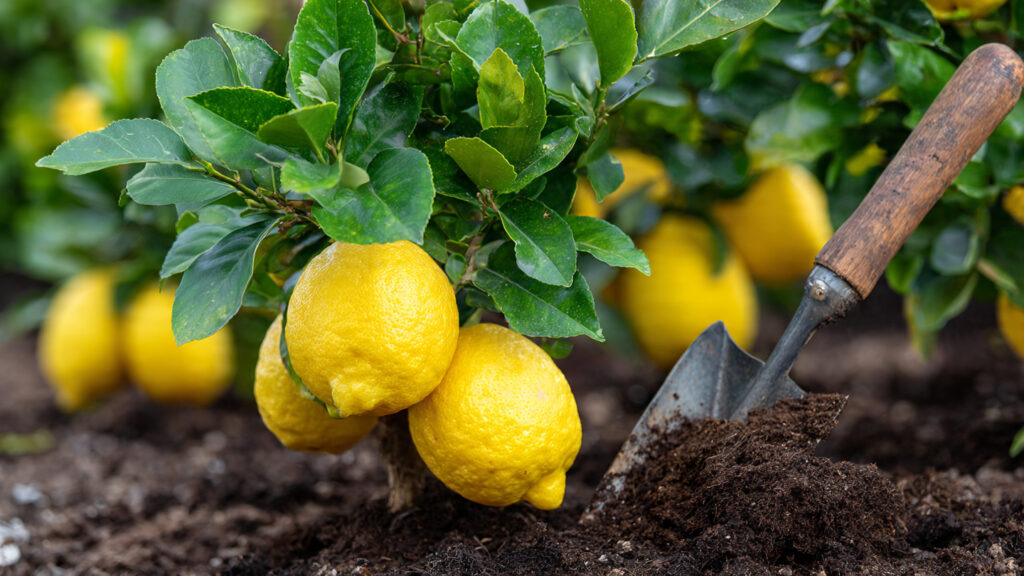
Growing lemons at home can be incredibly rewarding, whether you have a small balcony, a backyard garden, or even an indoor citrus setup. However, one of the most critical factors in the success of your lemon tree is soil quality. Lemons are sensitive to waterlogging, nutrient imbalance, and poor drainage, so creating the perfect soil mix is essential to promote healthy growth, abundant fruiting, and resilient plants.
In this ultimate guide, we’ll explore step-by-step techniques for crafting the ideal lemon soil mix, including the best ingredients, ratios, and tips to ensure your citrus trees thrive year after year.
Why Soil Matters for Lemon Trees
Lemon trees require soil that supports their delicate balance of moisture, nutrients, and root aeration. The right soil:
- Drains excess water to prevent root rot.
- Retains sufficient moisture for steady growth.
- Provides essential nutrients for leaf, flower, and fruit development.
- Maintains a slightly acidic pH to mimic natural lemon-growing conditions.
Without proper soil, lemon trees may exhibit stunted growth, yellowing leaves, reduced flowering, or even tree death. Therefore, investing time in preparing the right soil mix is one of the most important steps in lemon cultivation.
Understanding Lemon Tree Soil Requirements
Before creating a soil mix, it’s important to understand the specific requirements of lemon trees:
- pH Level: Lemons prefer slightly acidic soil with a pH between 5.5 and 6.5. Acidic soil improves nutrient availability, especially for iron and magnesium, which are critical for citrus health.
- Drainage: Lemon trees do not tolerate soggy soil. Well-draining soil is essential to prevent root rot, fungal infections, and other moisture-related issues.
- Texture: A loamy, airy soil texture ensures roots receive oxygen while retaining enough moisture for steady growth.
- Fertility: Citrus trees need nutrient-rich soil, particularly nitrogen for leaf growth, phosphorus for root and flower development, and potassium for fruit formation.
Keeping these factors in mind will guide you in selecting the right soil components and creating a mix that supports vigorous, productive lemon trees.
Essential Ingredients for Lemon Soil Mix
Creating the perfect lemon soil mix requires combining ingredients that balance drainage, aeration, and nutrition. Here’s a breakdown of key components:
1. Garden Soil or Topsoil
- Provides the foundation of the mix.
- Adds structure and natural minerals.
- Use loamy, pathogen-free soil to avoid disease problems.
2. Compost or Well-Rotted Organic Matter
- Adds nutrients and improves soil fertility.
- Enhances soil texture for better water retention and aeration.
- Incorporate 1/3 of the total mix as compost for balanced nutrition.
3. Sand or Perlite
- Improves drainage and prevents compaction.
- Sand is heavier and provides stability, while perlite is lightweight and airy.
- Aim for 20–30% of the soil mix to maintain proper drainage.
4. Coconut Coir or Peat Moss
- Helps retain moisture without waterlogging roots.
- Provides a slightly acidic environment favorable to lemon trees.
- Use 10–15% of the mix to balance water retention and acidity.
5. Organic Fertilizer or Citrus-Specific Fertilizer
- Provides essential nutrients such as nitrogen, phosphorus, potassium, and trace elements.
- Fertilizers enriched with magnesium, zinc, and iron help prevent yellowing leaves.
- Follow package instructions to avoid over-fertilization, which can harm roots.
By combining these components in the right proportions, you create a loamy, nutrient-rich, well-draining mix that supports healthy growth and fruiting.
Step-by-Step Guide to Creating Lemon Soil Mix
Here’s a simple process to make your lemon soil mix from scratch:
Step 1: Gather Materials
- 3 parts loamy garden soil or topsoil
- 1 part compost or well-rotted organic matter
- 1 part coarse sand or perlite
- 1/2 part coconut coir or peat moss
- Optional: slow-release citrus fertilizer
Step 2: Mix Thoroughly
- In a wheelbarrow or large container, combine all ingredients.
- Mix until uniform, ensuring that compost and sand are evenly distributed.
Step 3: Test Drainage
- Take a small amount of the mix and water it.
- Water should drain quickly without pooling.
- If water remains stagnant, add more sand or perlite to improve drainage.
Step 4: Adjust pH
- Test the pH using a soil testing kit.
- If soil is too alkaline, add a small amount of sulfur or pine needles to lower pH.
- Avoid excessive amendments; small adjustments are sufficient.
Step 5: Fill Pots or Plant Beds
- Use the mix to fill pots for indoor lemons or raised beds for outdoor trees.
- Ensure proper spacing for roots and adequate room for growth.
By following these steps, you create soil that mimics the natural environment of healthy lemon trees, supporting both root development and above-ground growth.
Tips for Enhancing Soil Fertility
Beyond the initial soil mix, maintaining fertility ensures continued health and fruit production.
- Mulch the surface with organic matter such as bark, straw, or compost to retain moisture and regulate temperature.
- Side-dress with compost or slow-release fertilizer every 2–3 months during the growing season.
- Incorporate trace minerals such as magnesium sulfate (Epsom salts) or chelated iron to prevent nutrient deficiencies.
- Rotate or refresh soil in potted lemons every 2–3 years to maintain nutrient levels.
Healthy soil not only supports growth but reduces the risk of diseases and nutrient deficiencies, ensuring your lemons remain vibrant and productive.
Common Mistakes to Avoid
Even with the right ingredients, gardeners can make errors that compromise soil quality and plant health:
- Using heavy clay soil: Leads to waterlogging and root rot. Always add sand or perlite to improve drainage.
- Over-fertilizing: Excess nitrogen can cause leafy growth but reduce flower and fruit production.
- Ignoring pH: Lemons in alkaline soil may develop yellow leaves or poor fruiting.
- Skipping compost: Nutrient-poor soil results in weak growth and increased susceptibility to pests and diseases.
- Neglecting drainage in containers: Waterlogged roots are a common cause of indoor lemon tree failure.
By avoiding these mistakes, you ensure that your soil mix remains optimal for years of healthy lemon production.
Indoor vs Outdoor Lemon Soil Mix
While the core principles are the same, there are slight adjustments for indoor versus outdoor planting:
➡️ How to Grow Malabar Spinach from Cuttings for Fast, Easy Greens
➡️ How to Grow Super Delicious Cabbage at Home Without a Garden
➡️ How to Grow Bean Sprouts at Home in Plastic Bottles Easily (Step‑by‑Step Guide)
➡️ Why is Your Lemon Tree Blooming in the Heart of Winter?
➡️ Why Should Your Garden Have a Dedicated Pollinator Highway?
➡️ Why Do Your Fruit Trees Need a Winter Wash to Thrive in Spring?
➡️ How Can Rice Water Transform Your Fruits into Sweeter Delights?
➡️ Jumpstart Your Winter Garden: Seed Starting Under Lights
Indoor Lemon Soil Mix:
- Slightly higher proportion of perlite for drainage.
- Regular monitoring of moisture since indoor soil dries more slowly.
- Container-specific nutrients added during potting.
Outdoor Lemon Soil Mix:
- Larger volume of garden soil and compost for stability.
- Mulching and organic amendments to retain moisture and protect roots from temperature fluctuations.
- Adjust pH based on local soil testing.
Tailoring the soil mix to the planting location ensures maximum growth potential and fruiting success.
Conclusion
Creating the perfect lemon soil mix is both an art and a science, requiring careful attention to drainage, nutrients, and pH. By combining loamy soil, compost, sand or perlite, and moisture-retaining components like peat moss, you can craft a mix that supports healthy roots, vigorous growth, and abundant fruiting.
Key takeaways include:
- Use a well-draining, slightly acidic soil for lemon trees.
- Balance moisture retention with aeration using sand, perlite, or coconut coir.
- Include organic matter and fertilizers to provide essential nutrients.
- Monitor soil pH and adjust as needed to maintain optimal acidity.
- Avoid common mistakes such as waterlogging, over-fertilizing, or using heavy clay soil.
With these techniques, you can provide your lemon trees with a foundation for long-term health and productivity, whether they are grown indoors in pots or outdoors in garden beds. A well-prepared soil mix ensures your lemon trees thrive, giving you lush green foliage and an abundant supply of fragrant, flavorful lemons year after year.