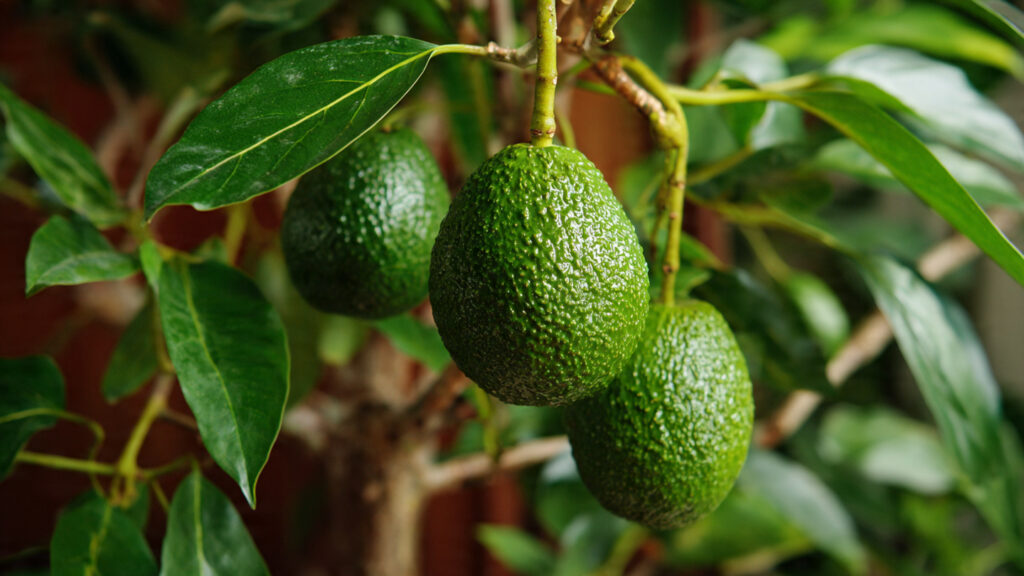
If you’ve ever enjoyed a creamy, delicious avocado, you might have wondered if you could grow your own tree at home. The good news is that you can! Even a simple store-bought avocado can become a thriving avocado tree with a little patience, care, and the right method. This guide will walk you through everything a beginner needs to know to grow an avocado tree from a pit, step by step.
Why Grow an Avocado Tree?
Growing your own avocado tree isn’t just satisfying—it also has practical benefits. Avocados are rich in healthy fats, vitamins, and minerals, making them a nutritious addition to your diet. By growing your own tree:
- You reduce reliance on store-bought avocados, which are often expensive.
- You enjoy the satisfaction of nurturing a plant from seed to fruit-bearing tree.
- You gain a beautiful, lush indoor or outdoor plant that can thrive for years.
While store-bought avocados don’t always produce fruit identical to the parent, they still make excellent ornamental plants, and with care, some may bear fruit after several years.
Step 1: Selecting the Perfect Avocado
The first step is choosing the right avocado. Here’s what to look for:
- Variety – Hass avocados are popular and grow well in containers. Other varieties like Fuerte or Bacon can also be used.
- Ripeness – Choose a ripe avocado with a firm but slightly soft feel. Avoid bruised or overly mushy fruits.
- Pit Quality – Carefully remove the pit. A healthy pit is large, firm, and undamaged. Avoid cracked or dried-out pits.
After selecting your avocado, gently wash the pit under lukewarm water to remove any fruit residue. Be careful not to remove the brown skin of the pit—it’s essential for germination.
Step 2: Preparing the Pit for Germination
There are two popular methods to start growing an avocado pit: water germination and soil germination. Water germination is the classic method and perfect for beginners because you can watch the roots and sprout grow.
Water Germination Method:
- Insert Toothpicks – Stick 3–4 toothpicks into the sides of the avocado pit, evenly spaced around the middle.
- Suspend in Water – Rest the pit over a glass of water, with the broad end down and the pointed end up. The toothpicks should hold it in place.
- Water Level – Ensure the bottom half of the pit is submerged in water at all times.
- Sunlight – Place the glass in a bright, warm area but out of direct sunlight.
Soil Germination Method:
- Pot Preparation – Fill a small pot with well-draining potting soil. Avocados dislike soggy roots.
- Planting – Bury the pit halfway into the soil with the pointed end up.
- Moisture – Water lightly to keep the soil slightly damp, not waterlogged.
- Sunlight – Place the pot in a warm, bright area with indirect sunlight.
Whether you choose water or soil, germination can take anywhere from 2–8 weeks. Be patient—the magic is happening below the surface.
Step 3: Watching the Pit Sprout
Patience is key when growing an avocado tree. Here’s what to expect:
- Root Growth – Within 2–6 weeks, the pit should start developing roots at the bottom.
- Stem Growth – Shortly after roots appear, a sprout will emerge from the top.
- Leaf Development – The sprout will grow leaves gradually. Trim the top leaves once it reaches 6 inches to encourage bushier growth.
If the water becomes cloudy or develops a foul odor, rinse the pit and replace the water with fresh, lukewarm water.
Step 4: Transferring the Pit to Soil
Once your avocado sprout is around 6–8 inches tall with a strong root system, it’s time to transplant it into soil. This is a critical step for healthy tree development.
Transplanting Steps:
- Choose a Pot – Use a pot at least 10–12 inches in diameter with drainage holes.
- Soil Choice – Use a mix of regular potting soil and sand or perlite to ensure good drainage. Avocados dislike standing water.
- Planting – Place the pit in the soil with the top half exposed.
- Watering – Water gently and regularly, keeping the soil moist but not soggy.
- Sunlight – Place the pot in a sunny spot where it gets at least 6 hours of indirect sunlight per day.
For outdoor growing in suitable climates (USDA zones 9–11), you can eventually plant your avocado tree in the garden once it’s strong enough.
Step 5: Caring for Your Avocado Tree
Caring for an avocado tree is simple if you understand its basic needs:
Sunlight:
Avocados love light. Indoors, place your plant near a sunny window. Outdoors, ensure it gets morning sun and some afternoon shade if temperatures are extremely hot.
Watering:
The soil should be consistently moist but not waterlogged. Overwatering can cause root rot, a common problem for beginners.
Fertilizing:
- Feed your avocado tree every 2–4 weeks with a balanced, slow-release fertilizer during the growing season.
- Reduce fertilizing during winter when growth slows.
Pruning:
- Pinch the tips of young branches to encourage bushier growth.
- Remove dead or yellowing leaves regularly.
Pests and Diseases:
Watch for common pests like spider mites, aphids, and mealybugs. Treat infestations with insecticidal soap or neem oil. Ensure good airflow to prevent fungal diseases.
➡️ How to Grow Malabar Spinach from Cuttings for Fast, Easy Greens
➡️ How to Grow Super Delicious Cabbage at Home Without a Garden
➡️ How to Grow Bean Sprouts at Home in Plastic Bottles Easily (Step‑by‑Step Guide)
➡️ Why is Your Lemon Tree Blooming in the Heart of Winter?
➡️ Why Should Your Garden Have a Dedicated Pollinator Highway?
➡️ Why Do Your Fruit Trees Need a Winter Wash to Thrive in Spring?
➡️ How Can Rice Water Transform Your Fruits into Sweeter Delights?
➡️ Jumpstart Your Winter Garden: Seed Starting Under Lights
Step 6: Encouraging Fruit Production
If your ultimate goal is to harvest avocados, patience is required. Store-bought avocado seeds often take 5–13 years to bear fruit, and the fruit may differ from the parent. Here are tips to maximize success:
- Pollination – Avocados have unique flowering patterns. If growing more than one tree, cross-pollination can improve fruit yield.
- Consistent Care – Water, sunlight, and fertilization are crucial for healthy growth.
- Avoid Stress – Sudden changes in light, temperature, or watering can stunt growth or reduce fruiting.
Even if fruit takes years, your tree will still provide a lush, attractive plant that improves indoor air quality and adds beauty to your garden.
Step 7: Repotting and Long-Term Growth
Avocado trees grow quickly. Repot your plant every 1–2 years to provide fresh soil and extra space for roots. Each repotting should move the tree into a slightly larger pot. Eventually, your tree may need a large container or an outdoor planting spot.
Tips and Tricks for Beginners
- Rotate the Plant – Turn your pot every few weeks to ensure even growth.
- Humidity – Avocado trees prefer moderate humidity. Mist leaves occasionally, especially in dry climates.
- Mulching – Add a thin layer of mulch around the base to retain moisture.
- Support – As your tree grows taller, provide a stake to support the main stem.
Common Mistakes to Avoid
- Overwatering – The most common cause of seedling death. Ensure proper drainage.
- Ignoring Sunlight Needs – Lack of sunlight results in leggy, weak plants.
- Planting Too Deep – The top of the seed should remain above the soil.
- Impatience – Germination takes time; avoid frequent moving or adjusting the pit.
Conclusion
Growing an avocado tree from a store-bought pit is a rewarding project for beginners and experienced gardeners alike. It requires patience, consistent care, and attention to detail, but the results—a thriving plant, and potentially homegrown avocados—are worth every step. Whether you’re sprouting it in water, planting it in soil, or eventually growing it into a full-sized tree, this journey connects you to the magic of nature in a very tangible way.
By following this step-by-step guide, even a complete beginner can successfully grow an avocado tree from a humble pit, turning an ordinary grocery store fruit into a thriving plant that can bring years of enjoyment. So grab that avocado, save the pit, and start your journey toward homegrown avocados today!