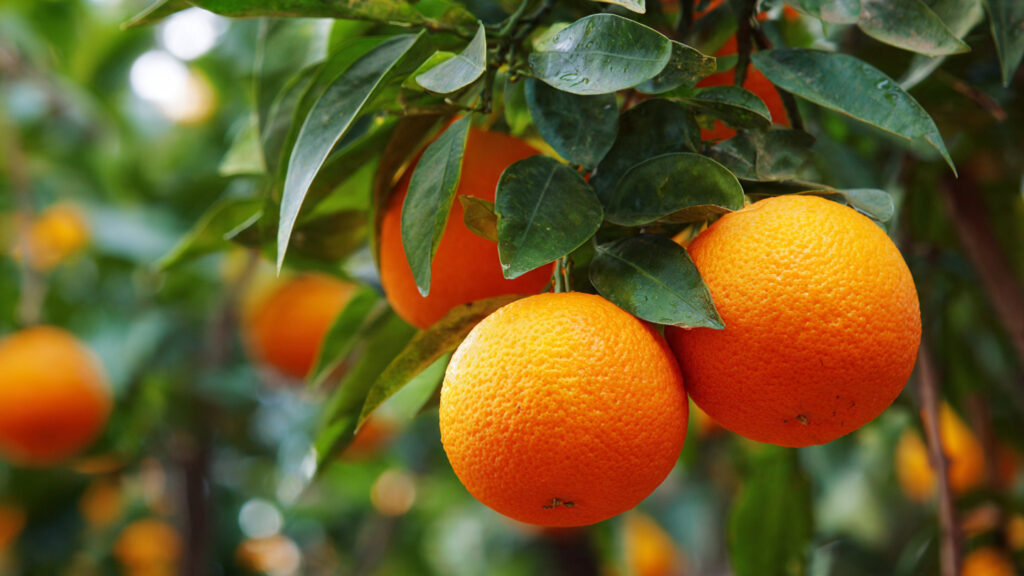
There’s something truly magical about planting a seed from a fruit you just ate—and watching it grow into a living tree. Imagine enjoying a sweet, juicy orange today, and then turning that same fruit into a beautiful orange tree that could thrive for years in your garden or even indoors.
Growing an orange tree from a fresh orange is a fun, rewarding project for gardeners of all skill levels. While it takes patience, the process is simple, educational, and deeply satisfying.
In this complete guide, you’ll learn exactly how to grow an orange tree from a fresh orange step by step—from seed to sprout to healthy young tree.
Can You Really Grow an Orange Tree from a Fresh Orange?
Yes, you absolutely can!
Orange seeds are capable of germinating and growing into healthy citrus trees under the right conditions. However, it’s important to understand one key fact:
Orange trees grown from seed may not produce the exact same fruit as the parent orange.
Seed-grown trees can vary in fruit quality and may take many years to bear fruit. Still, they make wonderful ornamental trees, houseplants, or long-term garden projects.
If your goal is simply to grow a beautiful citrus tree, starting from a fresh orange is a perfect and exciting method.
Why Grow an Orange Tree from Seed?
Growing from seed offers several benefits:
- Affordable and easy (no need to buy saplings)
- Fun family gardening project
- Great indoor container plant
- Beautiful evergreen foliage
- Fragrant blossoms in maturity
- A unique connection to nature
Even if fruit takes years, the tree itself is a stunning and rewarding plant to grow.
Step 1: Choose the Right Orange
The first step is selecting a healthy orange with viable seeds.
Best Oranges for Growing Seeds
- Organic oranges (not chemically treated)
- Fresh, fully ripe oranges
- Varieties with noticeable seeds
Seedless oranges won’t work, so choose a fruit that contains several mature seeds.
Step 2: Remove and Clean the Seeds
Once you have your orange:
- Slice it open carefully.
- Remove several seeds (choose the plumpest ones).
- Rinse the seeds gently under lukewarm water.
- Remove any pulp or sugary residue.
This step is important because leftover fruit pulp can encourage mold during germination.
Step 3: Prepare the Seeds for Germination
Orange seeds germinate best when fresh and moist.
➡️ How to Grow Malabar Spinach from Cuttings for Fast, Easy Greens
➡️ How to Grow Super Delicious Cabbage at Home Without a Garden
➡️ How to Grow Bean Sprouts at Home in Plastic Bottles Easily (Step‑by‑Step Guide)
➡️ Why is Your Lemon Tree Blooming in the Heart of Winter?
➡️ Why Should Your Garden Have a Dedicated Pollinator Highway?
➡️ Why Do Your Fruit Trees Need a Winter Wash to Thrive in Spring?
➡️ How Can Rice Water Transform Your Fruits into Sweeter Delights?
➡️ Jumpstart Your Winter Garden: Seed Starting Under Lights
Optional Seed Preparation Tips
- Soak seeds in water for 12–24 hours to soften the outer coat.
- Peel off the thin outer seed skin carefully for faster sprouting (optional).
Fresh seeds sprout much faster than dried seeds, so plant them soon after removing them.
Step 4: Germinate the Seeds (Two Easy Methods)
You can germinate orange seeds using either soil or the paper towel method.
Method 1: Paper Towel Germination (Fast and Easy)
- Dampen a paper towel (not soaking wet).
- Place seeds inside the towel.
- Put it in a sealed plastic bag or container.
- Store in a warm location (70–80°F / 21–27°C).
- Check every few days for sprouts.
Seeds usually germinate within 2–4 weeks.
Once roots appear, they are ready to plant in soil.
Method 2: Direct Soil Planting
- Fill a small pot with moist potting soil.
- Plant seeds about ½ inch deep.
- Cover lightly with soil.
- Water gently.
- Place the pot in a warm, sunny spot.
This method takes slightly longer but avoids transplant shock.
Step 5: Plant the Sprouted Seed
Once your seed has sprouted, it’s time to plant it properly.
Best Pot for Starting
- Small pot with drainage holes
- 4–6 inches wide is ideal for seedlings
Best Soil Mix for Orange Trees
Orange trees prefer light, well-draining soil such as:
- Citrus potting mix
- Regular potting soil + perlite + compost
Avoid heavy garden soil, which can trap water and cause root rot.
Plant the sprout carefully with the root facing downward.
Step 6: Provide the Right Growing Conditions
Orange seedlings need warmth, light, and consistent care.
Sunlight Requirements
Orange trees love sunlight.
- Provide 6–8 hours of bright light daily
- Indoors, place near a sunny window or use grow lights
Lack of light leads to weak, leggy growth.
Watering Needs
Young citrus plants need moist but not soggy soil.
- Water when the top inch feels dry
- Do not let the pot sit in standing water
Overwatering is one of the most common mistakes.
Temperature and Humidity
Orange trees thrive in warm climates.
Ideal temperature:
- 65–85°F (18–29°C)
Protect seedlings from cold drafts or frost.
Indoors, moderate humidity helps prevent leaf drying.
Step 7: Caring for Your Young Orange Tree
As your seedling grows, proper care will ensure healthy development.
Fertilizing
After 2–3 months, begin feeding with:
- Citrus fertilizer
- Balanced liquid fertilizer (diluted)
Feed once every 4–6 weeks during spring and summer.
Avoid fertilizing in winter when growth slows.
Repotting
As roots grow, you’ll need to repot every 1–2 years.
Move up gradually:
- From small pot → medium pot → larger container
Always choose a pot with excellent drainage.
Pruning
When your tree reaches about 12 inches tall:
- Pinch the top growth to encourage branching
- Remove weak or crossing stems
This creates a fuller, stronger tree shape.
Step 8: Growing Orange Trees Outdoors
If you live in a warm climate (USDA zones 9–11), you can eventually plant your orange tree outside.
Outdoor Planting Tips
- Choose a sunny, wind-protected location
- Plant in well-draining soil
- Water deeply during dry periods
- Mulch around the base (but not against the trunk)
If you live in a cooler climate, keep your tree in a pot and bring it indoors during winter.
When Will It Produce Fruit?
This is the big question!
Orange trees grown from seed require patience.
Typical fruit timeline:
- Seedling stage: 1–3 years
- Mature tree growth: 4–7 years
- Fruit production: 7–15 years (sometimes longer)
Also, seed-grown oranges may produce fruit different from the original orange.
For faster fruit, gardeners often use grafted citrus trees. But for a fun growing experience, seed-grown trees are wonderful.
Common Problems and Solutions
Yellow Leaves
Cause: Overwatering or nutrient deficiency
Fix: Improve drainage and feed lightly
Slow Growth
Cause: Lack of sunlight
Fix: Move to brighter light or use a grow lamp
Leaf Drop Indoors
Cause: Cold drafts or dry air
Fix: Increase humidity and maintain warmth
Pests (Aphids, Spider Mites)
Fix: Spray neem oil or insecticidal soap
Tips for Success
- Plant multiple seeds for better chances
- Use fresh seeds, not dried ones
- Keep soil moist but never soggy
- Provide lots of sunlight
- Be patient—citrus trees grow slowly but steadily
Growing an orange tree is a long-term journey, but it’s incredibly rewarding.
Conclusion
Growing an orange tree from a fresh orange is one of the most satisfying gardening projects you can try. From removing seeds to watching tiny sprouts emerge, every step connects you more deeply with nature.
While it may take years for fruit, the tree itself is a beautiful evergreen plant with fragrant leaves and the promise of citrus blossoms in the future.
With warmth, sunlight, and consistent care, your simple orange seed can grow into a thriving tree—bringing beauty, joy, and a touch of sunshine to your home or garden.
So next time you enjoy a delicious orange, don’t throw away the seeds… plant them, and start your own citrus-growing adventure!