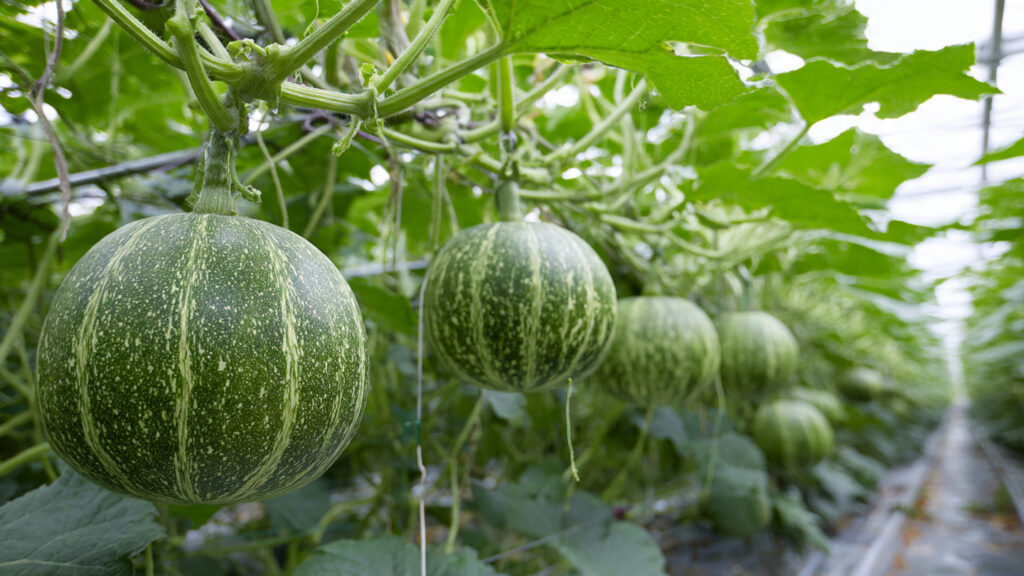
Pumpkins are one of the most versatile and rewarding plants to grow, whether for culinary purposes, festive decorations, or competitions. However, achieving consistently large and healthy pumpkin fruits can be challenging for many gardeners, especially those working in limited spaces or facing unpredictable climates. Traditional methods often rely on basic watering, fertilization, and pruning, but recent advancements in horticultural techniques now allow growers to significantly improve both the size and health of their pumpkins. In this article, we explore a new advanced method designed to maximize pumpkin growth and fruit quality.
Understanding the Basics of Pumpkin Growth
Before diving into advanced techniques, it’s essential to understand the fundamental growth requirements of pumpkin plants. Pumpkins belong to the Cucurbitaceae family and thrive in well-draining soil, plenty of sunlight, and consistent watering. Healthy pumpkin vines require nutrient-rich soil with balanced levels of nitrogen, phosphorus, and potassium, which support vigorous vine growth, flowering, and fruit development. Additionally, proper spacing is critical to allow the sprawling vines to spread without competition for nutrients and sunlight.
While traditional methods focus on general care, they often overlook the intricate ways in which pumpkins absorb nutrients, water, and sunlight. The new advanced technique integrates modern horticultural insights to enhance these factors for optimal results.
Introducing the Advanced Technique: Nutrient Profiling and Controlled Growth
The new method revolves around three key principles: precision nutrient management, strategic pruning and vine management, and microclimate optimization. Each principle works in synergy to boost the overall vigor of pumpkin plants.
1. Precision Nutrient Management
Unlike conventional fertilization, which applies a generic mixture of fertilizers, precision nutrient management involves analyzing the soil and tailoring nutrient supply according to the plant’s developmental stage. For example:
- Early Stage (Germination and Seedling Growth): High nitrogen content promotes strong root and vine growth. Organic compost or nitrogen-rich fertilizers work best at this stage.
- Flowering Stage: Reduced nitrogen and increased phosphorus and potassium encourage flower formation and the development of female flowers, which are essential for fruit production.
- Fruit Development Stage: High potassium and balanced phosphorus support fruit enlargement and improve the sweetness and firmness of pumpkins.
Additionally, foliar feeding can complement soil fertilization. Spraying a diluted solution of micronutrients like magnesium, calcium, and boron directly onto leaves allows faster absorption and prevents common deficiencies that affect fruit quality.
2. Strategic Pruning and Vine Management
Many gardeners underestimate the impact of pruning on pumpkin size. The advanced technique emphasizes selective pruning and vine training:
- Removing Excess Flowers: Not all flowers on a pumpkin vine should be allowed to fruit. By carefully choosing 2–3 main fruits per vine and removing others, the plant can direct its energy into growing larger and healthier pumpkins.
- Pruning Secondary Vines: Secondary or tertiary vines often consume nutrients that could otherwise feed the main fruit. Pruning these strategically ensures that the plant’s energy is concentrated.
- Vine Training: Guiding vines to grow along a trellis or within defined spaces helps prevent damage, improves sunlight exposure, and reduces the risk of disease from soil contact.
This focused pruning and training approach creates a more efficient distribution of resources, directly contributing to the size and health of the pumpkins.
3. Microclimate Optimization
Pumpkins are sensitive to environmental stress, including temperature fluctuations, humidity, and wind. Microclimate optimization involves creating conditions that reduce stress and enhance growth:
- Mulching: Applying organic mulch around the base of the plant helps retain soil moisture, regulate temperature, and suppress weeds.
- Row Covers or Shade Nets: In extremely hot climates, shade nets prevent leaf scorching while still allowing adequate light for photosynthesis. Conversely, in cooler regions, row covers can trap warmth to protect seedlings.
- Windbreaks: Strong winds can break vines and damage flowers. Using fences or natural barriers ensures that pumpkins grow without mechanical stress.
By carefully managing the plant’s environment, growers can prevent common issues such as blossom drop, sunburned fruit, and slow growth, all of which negatively impact fruit size and quality.
The Role of Pollination
Successful pollination is a critical factor in achieving large pumpkins. While bees are natural pollinators, some gardeners opt for hand pollination to ensure every flower is fertilized. Hand pollination involves transferring pollen from male flowers to female flowers using a soft brush, significantly increasing fruit set rates and improving consistency in fruit development.
Advanced Watering Techniques
Overwatering or inconsistent watering is a major cause of pumpkin plant stress, leading to smaller fruits or blossom-end rot. The advanced technique recommends a drip irrigation system combined with soil moisture monitoring. This ensures that water is delivered directly to the roots in the right amounts, maintaining steady moisture without waterlogging the soil.
Additionally, timing watering in the early morning allows leaves to dry during the day, reducing fungal infections and supporting optimal photosynthesis.
Disease and Pest Management
Even the most meticulously cared-for pumpkins can fall victim to pests and diseases. The advanced technique emphasizes preventive management rather than reactive treatment:
- Crop Rotation: Avoid planting pumpkins in the same soil where other cucurbits grew previously to reduce soil-borne pathogens.
- Regular Inspection: Check vines and leaves daily for signs of pests such as squash bugs, aphids, or powdery mildew. Early detection allows for quick intervention.
- Integrated Pest Management (IPM): Use natural predators, organic pesticides, and cultural practices to maintain plant health while minimizing chemical usage.
A healthy plant is naturally more capable of producing bigger, vibrant fruits.
➡️ How to Grow Malabar Spinach from Cuttings for Fast, Easy Greens
➡️ How to Grow Super Delicious Cabbage at Home Without a Garden
➡️ How to Grow Bean Sprouts at Home in Plastic Bottles Easily (Step‑by‑Step Guide)
➡️ Why is Your Lemon Tree Blooming in the Heart of Winter?
➡️ Why Should Your Garden Have a Dedicated Pollinator Highway?
➡️ Why Do Your Fruit Trees Need a Winter Wash to Thrive in Spring?
➡️ How Can Rice Water Transform Your Fruits into Sweeter Delights?
➡️ Jumpstart Your Winter Garden: Seed Starting Under Lights
Harvesting Techniques
Even with ideal growth conditions, improper harvesting can compromise the final quality of pumpkins. The advanced method recommends:
- Timing: Harvest when pumpkins reach full color and the rind is hard. Overripe fruits left on the vine are prone to rot.
- Cutting Technique: Use a sharp knife or pruning shears to cut the fruit with a short stem attached. Avoid pulling the pumpkin from the vine, as this can damage both the fruit and the plant.
Proper harvesting ensures the pumpkins maintain their shape, flavor, and longevity.
Real-World Results
Growers who have applied this advanced technique report substantial improvements in both size and yield. Average pumpkin weight often increases by 30–50%, and fruits display vibrant color, firm texture, and uniform shape. Even in small backyard gardens, this method allows for impressive results comparable to professional pumpkin farms.
Moreover, healthier plants are less susceptible to disease, reducing losses and minimizing the need for chemical treatments. For competitive growers or those selling pumpkins at local markets, these improvements translate into both higher aesthetic appeal and commercial value.
Conclusion
Growing pumpkins with bigger and healthier fruits no longer relies on chance. By adopting this advanced technique, gardeners can systematically optimize nutrition, manage vines, control the microclimate, and ensure effective pollination. The integration of modern practices such as precision fertilization, strategic pruning, and preventive pest management offers a reliable way to achieve outstanding results. Whether you’re an enthusiastic home gardener or aiming to produce competitive pumpkins, implementing these methods can transform your pumpkin patch into a thriving, fruitful garden.
With careful planning, attention to detail, and consistent care, your pumpkin plants can reach their full potential—producing large, healthy fruits that will impress family, friends, and even the neighbors. The key is to work smarter, not harder, using science-backed strategies to unleash the true potential of every pumpkin vine.