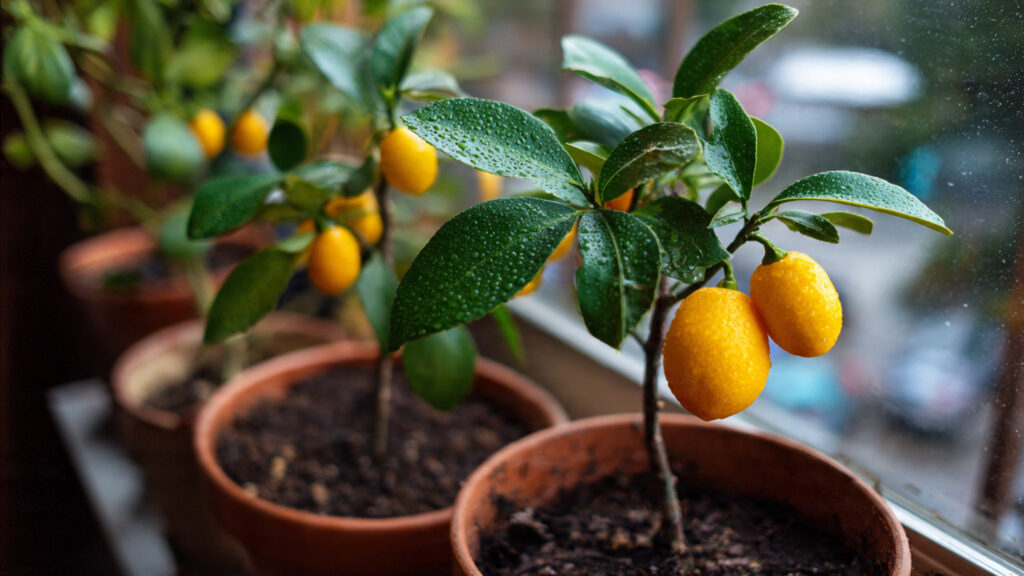
Growing your own kumquat or lemon trees at home is one of the most rewarding gardening experiences you can have. Imagine plucking fresh, juicy kumquats or zesty lemons straight from your own backyard or balcony, knowing that the fruit is completely organic and nurtured by your own hands. While many people assume that growing citrus trees requires patience, years of care, or expensive nursery saplings, there’s a simple, highly effective method that anyone can try: branch propagation.
Branch propagation, also called cutting propagation, allows you to create new trees from an existing parent tree. With just a few basic tools, some soil, and a bit of patience, you can grow endless kumquat and lemon trees right at home. This guide will walk you step by step through the process, from selecting the right branches to nurturing thriving trees.
Why Branch Propagation is the Best Choice for Home Gardeners
For beginners, branch propagation is simpler and faster than starting trees from seeds. Citrus seeds often take years to mature and may not produce fruit identical to the parent tree. In contrast, branch propagation ensures that the new trees inherit the exact traits of the mother plant, including fruit quality, size, and flavor.
Other advantages include:
- Cost-Effective – No need to buy multiple saplings; one healthy tree can give you dozens of cuttings.
- High Success Rate – With proper care, most healthy branches root successfully.
- Space-Saving – You can propagate multiple trees in containers, ideal for balconies or small gardens.
- Faster Fruiting – Trees grown from branches often produce fruit earlier than those grown from seeds.
Step 1: Selecting the Right Parent Tree
Choosing a healthy parent tree is crucial for successful propagation. Look for a kumquat or lemon tree that:
- Is disease-free and pest-free.
- Has strong, mature branches with a diameter of about 0.3–0.5 inches.
- Shows vigorous growth, bright green leaves, and no signs of nutrient deficiency.
The branches you select should be semi-hardwood. This means they are not too soft (which might rot) and not too old (which may root poorly). The ideal time for taking cuttings is during the tree’s active growth period, typically in spring or early summer.
Step 2: Preparing the Branch Cuttings
Once you’ve selected a suitable branch, it’s time to prepare the cutting. Here’s how:
- Length – Cut a branch segment of 6–8 inches long.
- Clean Cut – Use a sterilized, sharp knife or pruning shears to make a clean cut just below a leaf node.
- Remove Leaves – Strip off the leaves from the lower half of the cutting, leaving a few healthy leaves at the top. This reduces water loss while roots develop.
- Optional Hormone Treatment – Dip the cut end in rooting hormone powder to accelerate root formation. While optional, this step can increase success rates significantly.
Step 3: Choosing the Right Growing Medium
The success of your branch cuttings depends heavily on the soil or growing medium. Citrus trees need a medium that drains well but retains enough moisture for roots to grow. Ideal options include:
- Coconut Coir – Retains moisture without becoming soggy.
- Perlite and Peat Mix – Light and airy, allowing roots to breathe.
- Sandy Loam – Offers good drainage and nutrients.
Fill a small pot or container with your chosen medium. Ensure there are drainage holes at the bottom to prevent waterlogging, which can rot the cutting.
Step 4: Planting the Cuttings
Planting correctly is essential for strong root development:
- Insert Cutting – Make a hole in the medium with your finger or a stick and gently insert the cutting about 2–3 inches deep.
- Firm the Soil – Lightly press the soil around the cutting to eliminate air pockets.
- Water Gently – Moisten the soil thoroughly but avoid flooding. The medium should be damp, not soggy.
- Provide Shade – Place the pot in a location with indirect sunlight to reduce stress while the cutting develops roots.
Step 5: Creating the Perfect Environment
Citrus cuttings thrive in warm, humid conditions. To maximize success:
- Temperature – Maintain a temperature between 70–85°F (21–29°C).
- Humidity – Cover the cutting with a clear plastic bag or small dome to retain moisture. Remove it daily for a few minutes to prevent mold.
- Light – Bright, indirect sunlight is ideal. Avoid direct harsh sunlight, which can scorch young cuttings.
Step 6: Caring for Your Cuttings
Root formation can take 4–8 weeks, depending on the variety and conditions. During this period:
- Keep Soil Moist – Check daily and mist if necessary.
- Watch for Mold – Remove any cuttings showing mold or rot.
- Avoid Fertilizer – Only introduce a diluted, balanced fertilizer once roots are well-established.
A healthy cutting will start showing signs of new growth at the top. This indicates that roots have formed successfully, and the plant is ready to be gradually acclimatized to normal growing conditions.
Step 7: Transplanting to a Larger Pot or Garden
Once your cutting has developed a strong root system (usually after 2–3 months):
- Choose a Larger Container – Select a pot at least 12 inches deep to allow root expansion.
- Prepare Nutrient-Rich Soil – Mix garden soil with compost and sand for optimal growth.
- Transplant Carefully – Gently remove the cutting from the propagation medium, keeping the roots intact. Plant it in the new container and water thoroughly.
- Gradually Introduce Sunlight – Start by placing the plant in partial sun and gradually expose it to full sunlight over a week or two.
Step 8: Long-Term Care for Healthy Growth
To ensure your kumquat or lemon tree thrives:
➡️ How to Grow Malabar Spinach from Cuttings for Fast, Easy Greens
➡️ How to Grow Super Delicious Cabbage at Home Without a Garden
➡️ How to Grow Bean Sprouts at Home in Plastic Bottles Easily (Step‑by‑Step Guide)
➡️ Why is Your Lemon Tree Blooming in the Heart of Winter?
➡️ Why Should Your Garden Have a Dedicated Pollinator Highway?
➡️ Why Do Your Fruit Trees Need a Winter Wash to Thrive in Spring?
➡️ How Can Rice Water Transform Your Fruits into Sweeter Delights?
➡️ Jumpstart Your Winter Garden: Seed Starting Under Lights
- Water Regularly – Citrus trees prefer deep, infrequent watering rather than shallow daily watering.
- Feed Fertilely – Use a citrus-specific fertilizer high in nitrogen, phosphorus, and potassium, applied every 6–8 weeks during the growing season.
- Prune Strategically – Remove dead branches and shape the tree to encourage healthy growth.
- Protect from Pests – Watch for aphids, scale, and mites. Use organic insecticidal soap or neem oil as a preventive measure.
Step 9: Multiplying Your Trees
Once you master this branch propagation method, multiplying your kumquat and lemon trees becomes almost effortless. Each mature tree can provide several cuttings every season. Over time, you can build a home orchard, share trees with friends, or even create a beautiful citrus-filled balcony garden.
This method isn’t just limited to kumquats and lemons—it can work for other citrus varieties like oranges, limes, and mandarins, giving you endless possibilities for fresh fruit at home.
Tips for Maximum Success
- Use Healthy Branches – Avoid damaged or diseased branches, as they rarely root successfully.
- Sterilize Tools – Prevent the spread of disease by cleaning your cutting tools with rubbing alcohol.
- Be Patient – Rooting can take several weeks. Avoid overwatering or moving the cuttings too frequently.
- Label Cuttings – If propagating multiple varieties, labeling helps track growth and success rates.
- Rotate Pots – Gentle rotation ensures even light distribution for balanced growth.
Common Problems and Solutions
- Cuttings Turning Brown – Usually due to overwatering or fungal infection. Reduce moisture and remove affected parts.
- No New Growth – Could indicate poor rooting. Try using rooting hormone or selecting a younger, semi-hardwood branch next time.
- Wilting Leaves – Often a sign of low humidity. Mist leaves and cover cuttings temporarily with plastic.
Conclusion
Branch propagation is a simple, cost-effective, and highly rewarding method for growing kumquat and lemon trees at home. With minimal tools, a bit of patience, and careful attention to the needs of your cuttings, anyone can create a thriving collection of citrus trees. Not only does this method save money, but it also allows you to enjoy fresh, organic fruit straight from your home.
Whether you’re a beginner gardener or a seasoned plant enthusiast, mastering branch propagation opens the door to endless possibilities—an orchard on your balcony, an array of citrus trees in pots, or even a gift-giving opportunity with homegrown plants. Start with one branch today, and soon you could have a flourishing citrus garden tomorrow.