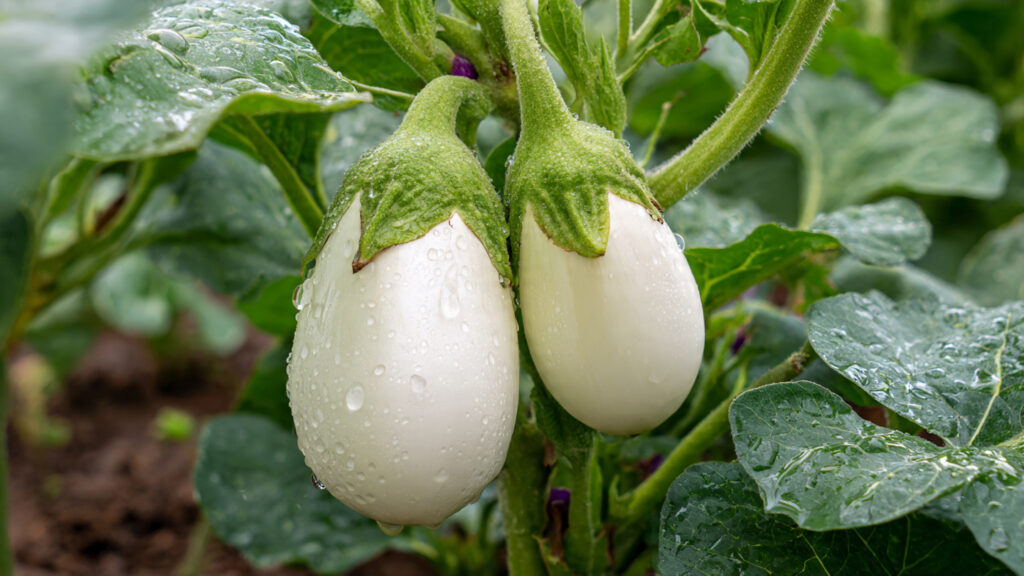
White eggplants are a striking addition to any garden, offering not only a unique visual appeal but also tender, flavorful fruits that can elevate a variety of dishes. Unlike traditional purple eggplants, white varieties are often rounder, smoother, and can produce a high yield when grown under the right conditions. Whether you are a beginner gardener or an experienced grower, this guide will walk you step by step through the process of growing healthy, high-yield white eggplants at home.
1. Understanding White Eggplants
White eggplants, sometimes called “albino eggplants” or “snowball eggplants,” are not a different species but a variety of the common eggplant, Solanum melongena. They are appreciated for their delicate flavor and firm texture. These eggplants are typically less bitter than their purple counterparts and are excellent for grilling, baking, roasting, and stuffing.
Key characteristics of white eggplants:
- Shape: Round or oval, with smooth skin.
- Color: Creamy white when mature, sometimes with a light green tinge near the stem.
- Size: Usually smaller than traditional purple varieties, ranging from 3–6 inches in diameter.
- Flavor: Mild, tender, and slightly sweet.
- Yield: High when plants are healthy, with each plant producing 8–12 fruits per season.
Understanding these traits is essential to select the right variety for your garden. Popular white eggplant varieties include ‘Casper,’ ‘White Beauty,’ and ‘White Egg.’
2. Selecting the Right Location
White eggplants thrive in warm, sunny conditions. Choosing the right spot in your garden or balcony is crucial for optimal growth.
Sunlight:
Eggplants require full sun, ideally 6–8 hours of direct sunlight per day. Insufficient sunlight can lead to poor flowering and smaller fruits.
Soil Requirements:
- Type: Well-draining, loamy soil enriched with organic matter.
- pH: Slightly acidic to neutral, between 6.0 and 6.8.
- Nutrients: Eggplants are heavy feeders; soil rich in nitrogen, phosphorus, and potassium ensures strong vegetative growth and abundant fruiting.
Spacing:
White eggplants need room to grow. Space your plants at least 18–24 inches apart in rows that are 30–36 inches apart. This spacing allows adequate airflow, reducing the risk of fungal diseases while giving the plants room for optimal growth.
3. Starting from Seeds
Growing white eggplants from seeds gives you full control over plant health and variety selection. Here’s a step-by-step process:
Step 1: Seed Selection
Purchase high-quality seeds from reputable suppliers. Choose varieties known for round fruits and high yield.
Step 2: Seed Germination
- Use seed trays or small pots with seed-starting mix.
- Sow seeds about ¼ inch deep.
- Keep the soil consistently moist but not soggy.
- Maintain a temperature between 75–85°F (24–29°C) for optimal germination.
- Seeds typically sprout within 7–14 days.
Step 3: Seedling Care
Once seedlings develop 2–3 true leaves, transplant them into larger pots to encourage strong root development. Fertilize lightly with a balanced liquid fertilizer every 10–14 days.
Step 4: Hardening Off
Before transplanting outdoors, harden off seedlings by gradually exposing them to outdoor conditions over 7–10 days. Start with a few hours in partial shade, gradually increasing sunlight and exposure.
4. Transplanting and Planting
When seedlings are 6–8 inches tall and have at least 4–6 true leaves, it’s time to plant them in the garden.
Planting Tips:
➡️ How to Grow Malabar Spinach from Cuttings for Fast, Easy Greens
➡️ How to Grow Super Delicious Cabbage at Home Without a Garden
➡️ How to Grow Bean Sprouts at Home in Plastic Bottles Easily (Step‑by‑Step Guide)
➡️ Why is Your Lemon Tree Blooming in the Heart of Winter?
➡️ Why Should Your Garden Have a Dedicated Pollinator Highway?
➡️ Why Do Your Fruit Trees Need a Winter Wash to Thrive in Spring?
➡️ How Can Rice Water Transform Your Fruits into Sweeter Delights?
➡️ Jumpstart Your Winter Garden: Seed Starting Under Lights
- Dig a hole slightly larger than the root ball.
- Mix compost or well-rotted manure into the planting hole to boost soil fertility.
- Place the seedling in the hole, ensuring the root ball is level with the soil surface.
- Water immediately to settle the soil around the roots.
Mulching:
Apply a 2–3 inch layer of organic mulch (straw, dried leaves, or grass clippings) around the base. Mulching retains soil moisture, regulates temperature, and prevents weed growth.
5. Fertilization and Nutrient Management
White eggplants are nutrient-hungry plants. Proper feeding ensures healthy growth and high fruit yield.
Fertilization Schedule:
- At planting: Incorporate compost or a balanced granular fertilizer (10-10-10 NPK).
- During growth: Apply nitrogen-rich fertilizers when plants are young to promote foliage.
- At flowering and fruiting: Switch to a phosphorus and potassium-rich fertilizer to encourage flower set and fruit development.
Tip: Avoid excessive nitrogen during fruiting, as it promotes leafy growth at the expense of fruits.
6. Watering
Consistent moisture is critical for white eggplants. Uneven watering can cause fruit cracking or blossom-end rot.
Watering Guidelines:
- Water deeply once or twice a week, depending on rainfall and temperature.
- Ensure the soil is moist but not waterlogged.
- Drip irrigation or soaker hoses are ideal for maintaining consistent moisture without wetting the foliage, which reduces disease risk.
7. Supporting Plants
White eggplants can grow tall and heavy with fruit. Providing support keeps the plant upright and prevents stem breakage.
Support Methods:
- Stakes: Place a sturdy stake next to each plant and tie the main stem loosely with garden twine.
- Cages: Tomato cages or DIY cages made from bamboo or metal wire work well for multiple branches.
Supporting the plants also improves air circulation and reduces the risk of fungal infections.
8. Pest and Disease Management
White eggplants are generally hardy but can be affected by common pests and diseases. Early detection and preventive measures are key.
Common Pests:
- Aphids: Small, soft-bodied insects that suck plant sap. Spray with neem oil or insecticidal soap.
- Spider mites: Tiny pests that cause yellow speckling on leaves. Maintain humidity and use miticides if necessary.
- Fruit borers: Caterpillars that bore into fruits. Handpick or use organic pheromone traps.
Common Diseases:
- Fusarium wilt: Soil-borne fungus causing yellowing and wilting. Rotate crops and use resistant varieties.
- Powdery mildew: White powdery spots on leaves. Apply sulfur-based fungicides or neem oil.
- Blossom-end rot: Caused by calcium deficiency and inconsistent watering. Maintain even soil moisture and add calcium supplements if needed.
9. Flowering and Pollination
White eggplants produce purple or white flowers that develop into fruits. Pollination is essential for fruit set. While eggplants are self-pollinating, insects like bees can increase fruit yield.
Tips for Better Flowering:
- Remove weak or crowded flowers to allow stronger ones to thrive.
- Shake the plant gently or use a small brush to transfer pollen if growing indoors.
- Avoid excessive nitrogen during flowering to prevent leaf-heavy growth.
10. Harvesting White Eggplants
Harvesting at the right time ensures tender, flavorful fruits. Overripe eggplants can become bitter and seedy.
Harvest Indicators:
- Fruits should be firm and glossy.
- Skin should be white and free of blemishes.
- Typically, harvest when the fruit is 3–6 inches in diameter for round varieties.
Harvesting Tips:
- Use a sharp knife or garden shears to cut the fruit from the stem.
- Leave a small portion of the stem attached to increase shelf life.
- Regular harvesting encourages more fruit production.
11. Post-Harvest Care
- Store harvested eggplants in a cool, dry place.
- Avoid refrigerating for extended periods, as cold temperatures can damage the skin and texture.
- Use the fruits within 3–5 days for the best flavor and texture.
12. Tips for Maximizing Yield
- Rotate crops annually to prevent soil-borne diseases.
- Remove yellowing or diseased leaves promptly.
- Thin out crowded fruits to allow the remaining fruits to grow larger.
- Maintain consistent watering and fertilization throughout the season.
- Consider companion planting with beans or marigolds to improve soil fertility and deter pests.
Conclusion
Growing white eggplants can be a rewarding experience for any gardener. Their unique appearance, tender flesh, and high-yield potential make them an excellent choice for home gardens, balconies, or even container gardening. By selecting the right variety, preparing nutrient-rich soil, providing adequate sunlight and water, and managing pests effectively, you can enjoy a bountiful harvest of round, creamy white eggplants. With careful attention and regular maintenance, your white eggplants will thrive season after season, adding beauty and flavor to your garden and kitchen.