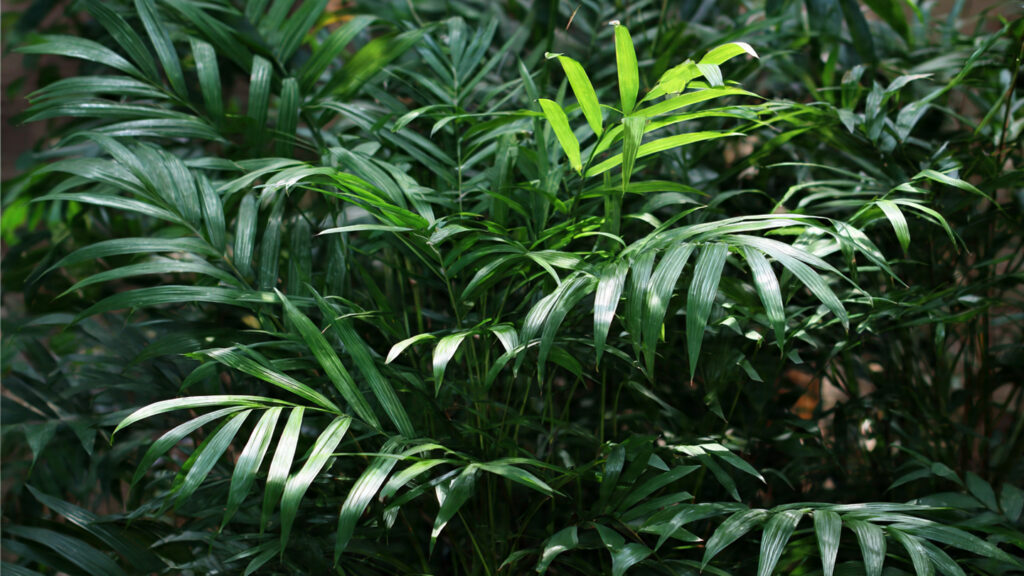
The Parlor Palm (Chamaedorea elegans) is one of the most elegant and low-maintenance indoor plants, prized for its graceful fronds and ability to thrive in low-light conditions. Whether you are a beginner plant enthusiast or a seasoned indoor gardener, growing Parlor Palm successfully in shady environments requires understanding its natural habitat, soil preferences, watering needs, and general care strategies. In this article, we’ll explore the best strategies to help your Parlor Palm flourish even in less-than-ideal lighting conditions.
Understanding Parlor Palm’s Natural Habitat
Parlor Palms originate from the rainforests of Mexico and Central America, where they thrive under the canopy of taller trees. These conditions mean they are naturally adapted to indirect or filtered sunlight, making them perfect candidates for shady indoor spaces. In their native environment, they grow in soil that is rich in organic matter and consistently moist but well-drained. Understanding this helps replicate similar conditions in your home or office.
Unlike many other houseplants that require bright, direct light, Parlor Palms have evolved to survive in low-light conditions, which is why they are perfect for offices, corners, or rooms with small windows. However, even shade-loving plants need some level of light for photosynthesis. Therefore, one of the key strategies is to ensure your Parlor Palm receives indirect light rather than being placed in complete darkness.
Choosing the Right Location
Even in a shady environment, location selection plays a vital role in your Parlor Palm’s success. Here are some factors to consider:
- Avoid Direct Sunlight: While Parlor Palms tolerate low light, direct sunlight can scorch their delicate fronds. East-facing windows with gentle morning sun or north-facing rooms often provide ideal lighting.
- Consistent Temperature: These palms prefer temperatures between 65°F to 80°F (18°C to 27°C). Avoid placing them near cold drafts, heaters, or air conditioners, as sudden temperature changes can stress the plant.
- Humidity Considerations: Shady rooms are often less ventilated and can be dry. Parlor Palms thrive in moderate to high humidity. Using a humidity tray, grouping with other plants, or occasional misting can help maintain the necessary moisture in the air.
- Rotating for Even Growth: Low light may cause the plant to grow unevenly toward a light source. Rotate your plant every few weeks to encourage balanced growth.
Selecting the Right Pot and Soil
Parlor Palms are slow-growing but appreciate a well-draining pot that prevents waterlogging. Too much moisture can lead to root rot, a common issue in shaded areas where soil dries slowly. Here are some tips:
- Pot Material: Terracotta or ceramic pots are excellent because they allow soil to breathe. However, ensure there is a drainage hole.
- Pot Size: Choose a pot slightly larger than the root ball to allow room for growth but not excessively large, as this can retain too much moisture.
- Soil Mix: Use a rich, organic potting mix with peat, perlite, and compost. A loose, airy mix prevents compaction and promotes healthy root development. For extra drainage, add a layer of small stones at the bottom of the pot.
Watering Strategies in Shady Environments
Watering is a critical aspect of Parlor Palm care, especially in low-light conditions where the soil may remain damp for longer. Overwatering is a common mistake, leading to yellowing leaves and root rot. To water effectively:
- Check Soil Moisture: Use your finger to check the top 1-2 inches of soil. Only water when this layer feels dry.
- Water Thoroughly but Infrequently: When watering, do so until excess water drains from the bottom. Then, allow the soil to partially dry before watering again.
- Adjust Seasonally: During winter or in rooms with less natural light, reduce watering frequency as the plant’s growth slows.
Additionally, ensure the pot is not sitting in a saucer full of water, as stagnant moisture encourages fungal growth and pests.
Fertilizing for Healthy Growth
Even shade-tolerant plants benefit from occasional feeding to maintain lush, green fronds. Fertilization strategies for Parlor Palm include:
- Frequency: Fertilize every 6-8 weeks during the growing season (spring and summer). Avoid fertilizing in winter when growth naturally slows.
- Type of Fertilizer: Use a balanced, water-soluble fertilizer with a ratio such as 10-10-10 or 20-20-20, diluted to half the recommended strength.
- Avoid Overfertilization: Excess nutrients can cause leaf burn or yellowing. Always err on the side of under-fertilizing in shady conditions.
Pruning and Grooming
Parlor Palms require minimal pruning, but occasional grooming keeps the plant healthy and attractive:
- Remove Yellow or Brown Fronds: Trim fronds that show signs of age, disease, or damage. Use clean, sharp scissors to prevent infection.
- Maintain Shape: While the plant grows slowly, removing dead fronds maintains a tidy, symmetrical appearance.
- Dusting Leaves: Shady environments can accumulate dust on leaves, reducing their ability to photosynthesize. Wipe the fronds gently with a damp cloth every few weeks.
Managing Pests and Diseases
Parlor Palms are generally resilient but can occasionally attract pests such as spider mites, mealybugs, or scale insects. Shady, indoor conditions can sometimes exacerbate pest problems due to reduced air circulation. Here’s how to manage them:
- Regular Inspection: Check leaves, especially the undersides, for small insects or webbing.
- Natural Remedies: Wipe leaves with a mixture of water and mild dish soap, or use neem oil spray to control infestations.
- Avoid Excess Moisture: Overwatering can cause fungal problems like root rot or leaf spot. Ensure proper drainage and avoid water accumulation.
Coping with Low Light
While Parlor Palms tolerate shade, extremely low light can slow growth and make leaves pale. Strategies to cope with low-light environments include:
- Supplemental Lighting: Use LED grow lights for 4-6 hours a day if natural light is insufficient. Place the light a few feet away from the plant to mimic indirect sunlight.
- Rotate the Plant: As mentioned, rotating helps balance growth toward the available light.
- Regular Observation: Monitor the color and growth rate of fronds. If leaves are yellowing, it may indicate the plant needs more light or nutrients.
Propagation in Shady Conditions
For enthusiasts who want to expand their indoor garden, Parlor Palms can be propagated, though it is a slow process. Propagation is usually done via:
- Division: Remove the plant from its pot and separate the offshoots or clumps with roots attached. Replant in a well-draining potting mix.
- Timing: The best time to propagate is during the active growing season (spring and summer) when light and temperature conditions are more favorable.
Propagation in low-light areas may slow root establishment, so consider temporary placement in brighter indirect light until the plant adapts.
Common Mistakes to Avoid
Even low-maintenance plants like Parlor Palm can suffer from neglect or incorrect care. Common mistakes include:
- Overwatering in Shade: Low-light environments slow evaporation, increasing the risk of root rot.
- Neglecting Light Needs: Even shade-tolerant plants require some indirect light. Complete darkness is detrimental.
- Using Poor Soil: Heavy clay or compacted soils can suffocate roots.
- Ignoring Humidity: Dry indoor air can cause brown leaf tips.
- Overfertilizing: Excess nutrients are harmful in slow-growth periods.
Avoiding these mistakes ensures your Parlor Palm remains healthy and attractive.
➡️ How to Grow Malabar Spinach from Cuttings for Fast, Easy Greens
➡️ How to Grow Super Delicious Cabbage at Home Without a Garden
➡️ How to Grow Bean Sprouts at Home in Plastic Bottles Easily (Step‑by‑Step Guide)
➡️ Why is Your Lemon Tree Blooming in the Heart of Winter?
➡️ Why Should Your Garden Have a Dedicated Pollinator Highway?
➡️ Why Do Your Fruit Trees Need a Winter Wash to Thrive in Spring?
➡️ How Can Rice Water Transform Your Fruits into Sweeter Delights?
➡️ Jumpstart Your Winter Garden: Seed Starting Under Lights
Conclusion
Growing a Parlor Palm successfully in shady environments is entirely possible with proper attention to light, water, soil, and general care. These plants are naturally suited for low-light conditions but still require indirect sunlight, balanced watering, appropriate soil, and occasional fertilization to thrive. By understanding their native habitat and replicating those conditions indoors, you can enjoy the elegance of lush green fronds even in darker corners of your home or office.
With patience and observation, your Parlor Palm will reward you with years of subtle beauty and a touch of rainforest charm indoors. Whether you are aiming for a tropical look in your living room or a stylish addition to your office, following these strategies will help ensure your Parlor Palm remains healthy, vibrant, and resilient, even in shady conditions.