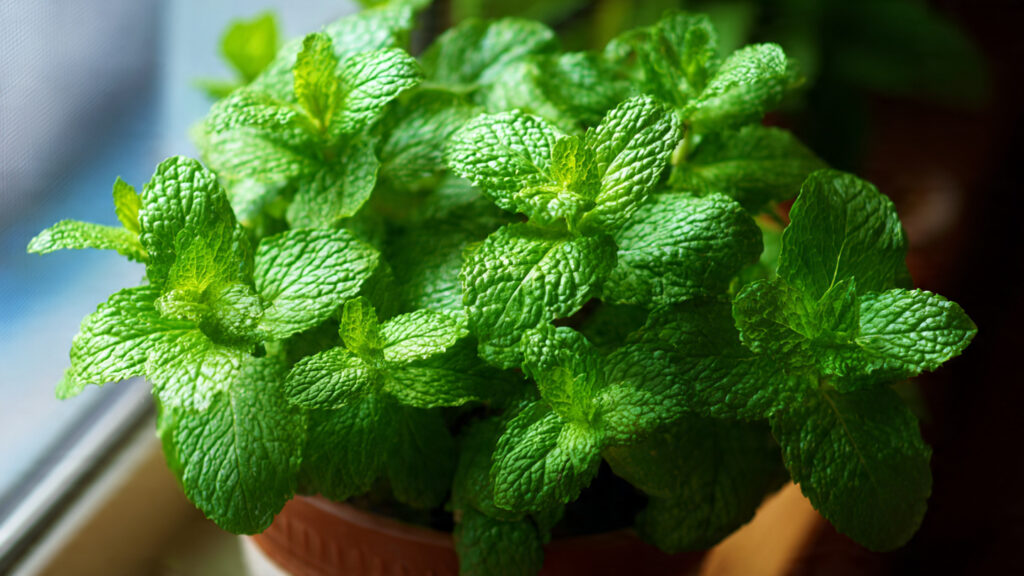
Mint is one of the most versatile and fragrant herbs you can grow, but it has a reputation for being aggressive and invasive in the garden. For those with limited space, it can be a challenge to cultivate mint without it taking over. However, with the right strategies, even a small balcony, patio, or indoor area can yield abundant mint for culinary, medicinal, and aromatic purposes. This guide explores the best techniques to grow mint efficiently in small spaces while maximizing harvest.
1. Choosing the Right Mint Variety
The first step in successful mint cultivation is selecting a suitable variety. Common mint types include:
- Peppermint (Mentha × piperita): Known for its strong menthol flavor, ideal for teas and desserts.
- Spearmint (Mentha spicata): Mild flavor, excellent for cooking, drinks, and garnishes.
- Chocolate mint: Offers a sweet, chocolatey aroma for creative recipes.
- Apple mint: Fruity scent, perfect for refreshing beverages.
For small spaces, it is best to grow one or two varieties at a time to manage growth and avoid overcrowding.
2. Choosing Containers and Pots
When gardening in small spaces, container selection is crucial. Mint grows vigorously and can quickly dominate the soil if not contained. Consider these options:
- Deep pots: Mint thrives in containers at least 10–12 inches deep to accommodate root expansion.
- Wide pots: A wide container allows multiple plants to grow without crowding.
- Self-contained planters: Using raised or pot-in-pot systems can prevent mint roots from spreading uncontrollably.
- Smart pots or fabric pots: These allow excellent drainage and air pruning, which encourages healthier root systems and more foliage.
Ensure every container has drainage holes. Mint dislikes standing water, which can lead to root rot and stunted growth.
3. Soil Selection and Preparation
Mint is not particularly fussy about soil, but the right mix can dramatically improve yield. A fertile, well-draining soil is ideal:
- Soil mix: Combine garden soil, compost, and a little sand or perlite for drainage.
- pH: Mint prefers slightly acidic to neutral soil, ideally between 6.0 and 7.0.
- Nutrients: Incorporate organic compost or slow-release fertilizer to keep the plants lush and green.
Avoid heavy clay soil in pots, as it retains water and can suffocate roots.
4. Sunlight and Placement
Mint grows best with moderate sunlight:
- Indirect sunlight: Mint prefers partial sun or light shade for 4–6 hours per day.
- Indoor cultivation: Near a south-facing window or under grow lights can suffice.
- Outdoor balconies: Position containers where they receive morning sunlight and afternoon shade.
Too much direct sun can scorch leaves, while too little light can make mint leggy and weak.
5. Watering Techniques
Mint loves consistent moisture but cannot tolerate soggy soil:
- Regular watering: Keep the soil evenly moist, especially during hot summer days.
- Check drainage: Containers must allow excess water to escape to prevent root rot.
- Mulching: A thin layer of organic mulch helps retain soil moisture and suppresses weeds in outdoor pots.
Watering in the morning is optimal to avoid fungal growth and allows leaves to dry during the day.
6. Controlling Growth in Small Spaces
One of the biggest challenges of growing mint is its tendency to spread rapidly. In small spaces, it is essential to control growth:
- Pruning: Regularly trim stems to encourage bushy growth and prevent legginess.
- Root barriers: Even in containers, adding a plastic or metal barrier inside the soil can prevent aggressive roots from escaping.
- Separate plants: If growing multiple mint varieties, keep them in individual pots to avoid hybridization and overcrowding.
By maintaining control over root and stem growth, you can produce more leaves without your plants taking over your entire space.
7. Fertilization for Maximum Yield
Fertilization encourages faster, denser leaf growth:
- Organic options: Compost tea, worm castings, or liquid seaweed fertilization promotes natural growth.
- Frequency: Feed every 4–6 weeks during the growing season.
- Nitrogen-rich fertilizers: Mint responds well to nitrogen for lush green foliage but avoid over-fertilizing, which can reduce aroma.
A well-fed mint plant produces more vigorous stems, which directly increases harvestable leaves.
➡️ How to Grow Malabar Spinach from Cuttings for Fast, Easy Greens
➡️ How to Grow Super Delicious Cabbage at Home Without a Garden
➡️ How to Grow Bean Sprouts at Home in Plastic Bottles Easily (Step‑by‑Step Guide)
➡️ Why is Your Lemon Tree Blooming in the Heart of Winter?
➡️ Why Should Your Garden Have a Dedicated Pollinator Highway?
➡️ Why Do Your Fruit Trees Need a Winter Wash to Thrive in Spring?
➡️ How Can Rice Water Transform Your Fruits into Sweeter Delights?
➡️ Jumpstart Your Winter Garden: Seed Starting Under Lights
8. Harvesting Techniques
Proper harvesting not only gives you fresh mint but also promotes ongoing growth:
- Frequent harvesting: Pinch off the top 1–2 inches of new growth regularly.
- Avoid over-harvesting: Never remove more than one-third of the plant at a time, allowing it to recover.
- Best time to harvest: Morning after dew evaporates ensures leaves are full of flavor and essential oils.
Pruned mint responds by producing denser, bushier stems, ensuring a continuous supply throughout the season.
9. Indoor Growing Strategies
For apartment or indoor gardeners, mint can thrive with a few adjustments:
- Container placement: Use windowsills with indirect sunlight or fluorescent grow lights.
- Air circulation: Ensure proper airflow to reduce fungal issues.
- Hydroponics: Growing mint in water or a hydroponic system can save space while providing rapid growth.
- Compact varieties: Choose smaller, bushy mint cultivars suited for indoor growth.
Indoor mint can produce a year-round supply, especially if the temperature is maintained around 65–70°F (18–21°C).
10. Companion Planting and Pest Management
Mint can coexist with other herbs, provided it is controlled:
- Companion plants: Basil, parsley, and oregano benefit from mint’s aromatic oils, which can repel pests.
- Pest control: Common pests include aphids and spider mites. Regular pruning, washing leaves, or using neem oil can prevent infestations.
- Disease prevention: Proper watering, spacing, and airflow reduce the risk of fungal diseases such as powdery mildew.
By strategically placing mint with compatible plants, small spaces can remain productive without pest issues.
11. Extending Harvest and Propagation
To maximize yield in small spaces, continuous propagation is key:
- Stem cuttings: Easily root mint stems in water or moist soil to produce new plants.
- Division: Every 1–2 years, divide the root ball to rejuvenate older plants.
- Container rotation: Plant new cuttings in fresh soil to maintain nutrient levels and avoid overcrowding.
Propagation ensures your small-space mint garden never runs out of productive plants.
12. Creative Small-Space Solutions
Even the tiniest area can host a thriving mint garden:
- Hanging baskets: Perfect for balconies and patios, hanging baskets allow cascading mint growth.
- Vertical planters: Use wall-mounted pockets or vertical herb gardens to save floor space.
- Windowsill trays: Indoor gardeners can grow multiple mint varieties side by side in shallow trays.
- Combination pots: Pair mint with other herbs in multi-level planters, ensuring mint roots do not invade other plants.
By thinking vertically and creatively, you can harvest a maximum amount of mint without requiring a full garden plot.
Conclusion
Growing mint in small spaces is entirely feasible with the right techniques. Selecting the appropriate variety, using suitable containers, managing soil, sunlight, water, and nutrients, and practicing careful pruning and harvesting all contribute to a healthy, productive mint garden. Indoor or balcony gardeners can employ vertical, hanging, or hydroponic solutions to optimize space while ensuring continuous growth. With proper care, even the smallest garden can yield an abundance of aromatic, flavorful mint for teas, cooking, and natural remedies.
By combining these strategies, you can enjoy fresh mint year-round, harness its culinary and medicinal benefits, and maximize your harvest, all while keeping your small-space garden neat and manageable.